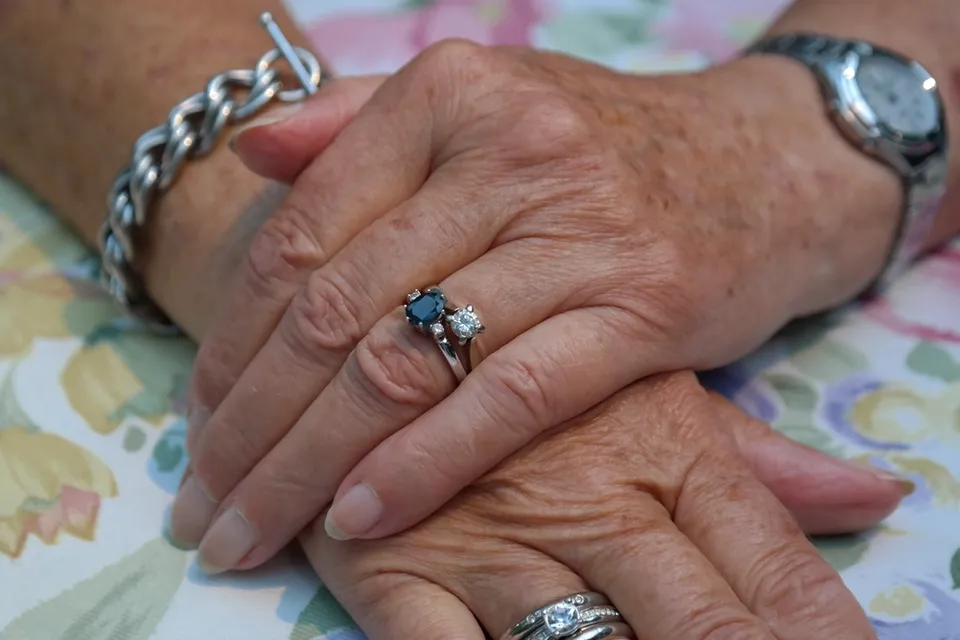
- Arthritis, which makes gripping painful.
- Muscle loss with age and less hand use.
- Nerve problems like carpal tunnel syndrome or neuropathy.
- Health events such as a stroke, and some medications.
General information, not medical advice. Sudden weakness in a hand or arm, especially with face drooping or trouble speaking, can be a sign of stroke: call 911 immediately. For gradual weakness, numbness or pain, see a doctor to find the cause.
Maybe you've noticed your mom asking you to open every jar, or your dad dropping his coffee cup more often. Perhaps your parent has stopped cooking, or struggles with buttons, keys and pill bottles. Weak hands are easy to dismiss as "just getting older," but they affect independence in dozens of small ways every day.
The good news is that a lot can be done. Some causes are treatable, hand strength and function can often improve with the right exercises, and simple tools can make daily tasks easier right away. This guide covers why hands get weaker with age, when to see a doctor, how to help and which adaptations make the biggest difference.
Why do hands get weaker with age?
- Muscle loss (sarcopenia): muscle mass and strength gradually decline with age, including in the hands and forearms.
- Arthritis: pain and stiffness in finger, thumb and wrist joints make people grip less firmly and use their hands less.
- Nerve compression: carpal tunnel syndrome causes numbness, tingling and weakness, especially in the thumb.
- Peripheral neuropathy: often linked to diabetes, it reduces feeling and strength.
- Neurological conditions: stroke, Parkinson's disease and others affect hand control.
- Less use: when tasks get hard, people stop doing them, and strength declines further.
- Medications and nutrition: some medicines and poor nutrition can contribute to weakness.
The CDC notes that arthritis is one of the most common causes of disability in adults, and hand arthritis is a big part of that.
What are the signs that weak hands are affecting daily life?
| Sign | What you might notice |
|---|---|
| Kitchen | Can't open jars or bottles, avoids cooking, drops cups and plates |
| Medications | Struggles with pill bottles and blister packs |
| Dressing | Avoids buttons, zippers and shoelaces |
| Around the house | Trouble with keys, doorknobs and faucets |
| Hygiene | Difficulty squeezing toothpaste or holding a toothbrush |
| Mobility | Weak grip on a cane, walker or railing |
A weak grip on a railing or walking aid is a fall risk, so it's worth paying attention to.
When should your parent see a doctor?
Gradual weakness deserves a checkup, because some causes, like carpal tunnel, thyroid problems, vitamin deficiencies or medication side effects, can be treated. Book an appointment if your parent has:
- Weakness that's getting worse over weeks or months.
- Numbness, tingling or burning in the fingers.
- Pain, swelling or joint changes in the hands.
- Weakness in one hand more than the other.
- Muscle wasting at the base of the thumb.
- Trouble with fine movements, like writing or buttoning.
Sudden weakness, numbness on one side, a drooping face or trouble speaking are stroke warning signs. Call 911 right away.
Can hand strength improve with exercise?
Often, yes. Gentle, regular exercise can help maintain or improve range of motion and strength, as long as it doesn't cause pain. The Arthritis Foundation describes simple finger and thumb exercises that can improve range of motion and ease symptoms. Examples:
- Gentle fist: slowly close the hand into a loose fist and open it wide.
- Thumb touches: touch the thumb to each fingertip.
- Finger spreads: spread the fingers wide on a table, then bring them together.
- Soft ball or putty squeezes: light resistance for a few seconds at a time, if pain-free.
- Towel twists: gently wring a small dry towel, if the wrists allow.
See our step-by-step guide to hand exercises for arthritis. Whole-body strength exercise helps too; the National Institute on Aging recommends strength, balance and endurance activities for older adults.
How can an occupational therapist help?
An occupational therapist (OT) focuses on everyday tasks. For weak hands, an OT can assess grip and pinch strength, design an exercise program, recommend splints, and, just as importantly, suggest adaptive tools and techniques so your parent can keep doing what matters to them: cooking, dressing, gardening, writing. Ask the doctor for a referral. See occupational therapy for seniors.
Which tools make daily tasks easier with weak hands?
- Jar and bottle openers that give leverage.
- Thick, cushioned handles on utensils, toothbrushes and pens (foam tubing works too).
- Lever door handles and faucet handles instead of round knobs.
- Key turners that make small keys easier to grip.
- Electric can openers and lightweight pots with two handles.
- Button hooks and zipper pulls for dressing.
- Easy-open pill bottles (ask the pharmacist). See how to open a pill bottle.
- Lightweight cups with large handles or two handles.
The Arthritis Foundation recommends self-help devices like these to reduce joint strain. Our lists of kitchen gadgets for arthritis and daily living aids have more.
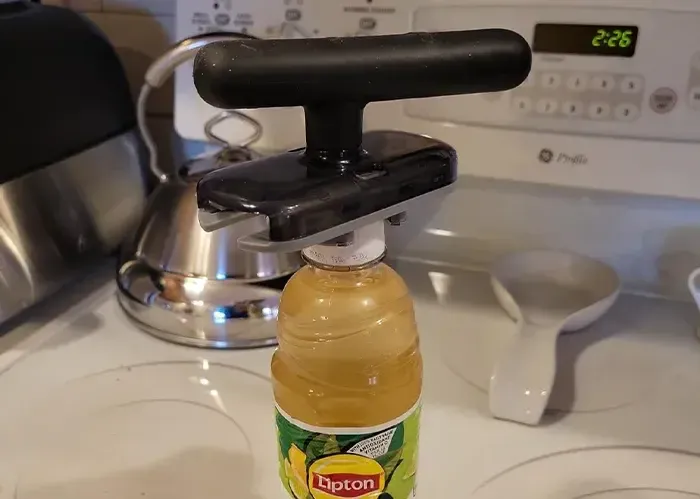
What's the best way to open jars with weak hands?
Opening a jar or bottle needs a strong grip and a twist at the same time, which is exactly what weak or arthritic hands struggle with. A good opener removes most of the effort.
Cap Crack is an adjustable, manual jar and bottle opener made for hands with arthritis, weak grip or wrist pain. It adjusts to fit lids from water bottles to large jars, and its ergonomic handle gives leverage so your parent can turn the lid with their arm rather than squeezing with their fingers. It needs no batteries and weighs under a pound, so it's easy to keep in a kitchen drawer. It costs $29.99, or as little as $19.99 each in bundles, with a 90-day guarantee. Read our Cap Crack review, where we rate it 4.6/5, and our guide to a jar opener for seniors.
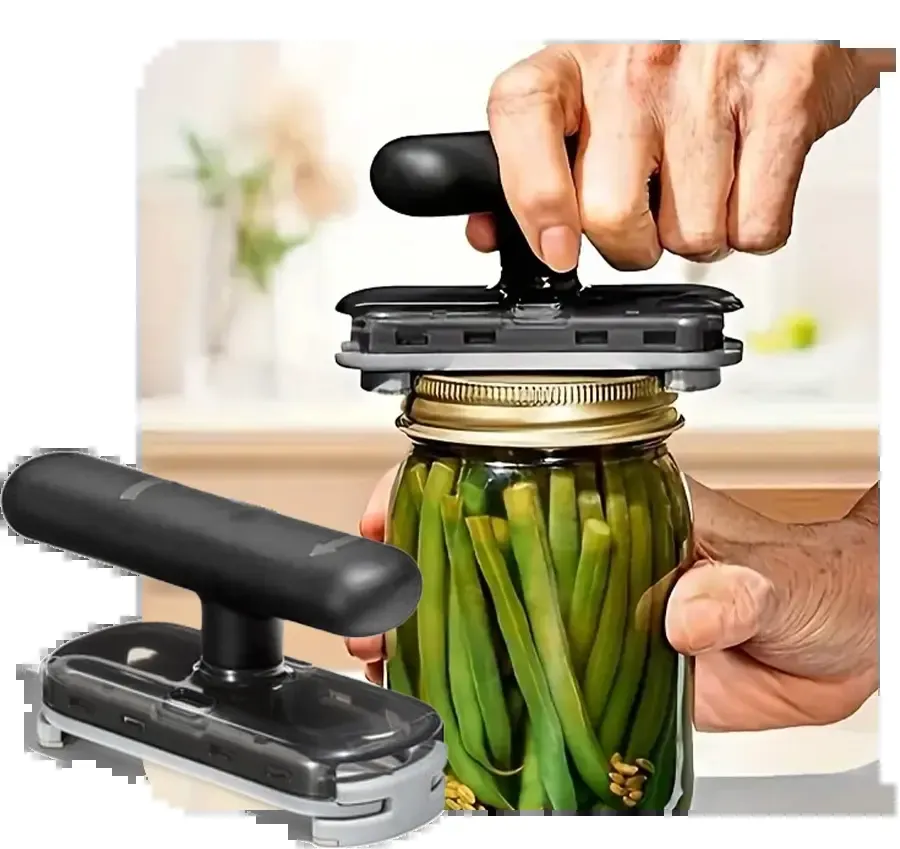
Open jars and bottles without a strong grip
Cap Crack adjustable opener: ergonomic handle for leverage, fits water bottles to large jars, no batteries, under 1 lb. $29.99, or from $19.99 each in bundles, 90-day guarantee.
Check today's price →$29.99, or from $19.99 each in bundles
How do you set up a kitchen for weak hands?
- Store everyday items at waist-to-shoulder height.
- Buy food in smaller, lighter containers, or decant into easy-open containers.
- Use a cutting board with corner guards and a rocker knife.
- Choose lightweight pots and slide heavy pans instead of lifting.
- Use non-slip mats under bowls and plates.
- Keep the jar opener where it's easy to reach.
See also kitchen safety for seniors.
Does nutrition affect hand strength?
Muscle strength depends on getting enough protein, calories and certain vitamins, and many older adults don't eat enough, especially when cooking becomes difficult. Encourage regular meals with protein, ask the doctor whether a vitamin D or B12 check makes sense, and consider meal delivery if your parent has stopped cooking. A dietitian can help if weight loss or a poor appetite is a concern.
Why does grip strength matter for safety?
A weak grip makes it harder to hold a railing on the stairs, catch yourself if you stumble, use a cane or walker firmly, or carry things safely. It can also make it harder to get up from the floor after a fall. Strengthening the hands, improving the home and choosing the right walking aid all work together. See fall prevention for seniors.
How do you help without taking over?
It's tempting to just do everything for your parent, but that can make weakness worse and hurt their pride. Instead, offer tools that let them keep doing tasks themselves, rearrange the kitchen together, and ask what's hardest for them. Small wins, like opening their own jar again, help their confidence. If they resist, see when an aging parent refuses help.
What about carpal tunnel and numb fingers?
Carpal tunnel syndrome happens when a nerve in the wrist is squeezed, causing numbness and tingling in the thumb, index and middle fingers, often worse at night, and eventually weakness. It's common in older adults and in people with diabetes, thyroid conditions or arthritis. Treatments range from wrist splints worn at night to medication or a minor surgery, so it's well worth getting checked. If your parent shakes out their hand to "wake it up" in the morning, mention it to the doctor.
How can you help with writing and buttons?
Fine motor tasks often go first. For writing, try thick pens or foam pen grips and felt-tip pens that need less pressure. For dressing, look for clothes with magnetic or Velcro closures, elastic waists, pull-on shoes with Velcro straps, and button hooks for shirts. These small swaps let your parent dress and manage paperwork independently for longer.
The bottom line
Weak hands in older adults often come from arthritis, muscle loss or nerve problems, and some causes are treatable. See a doctor for gradual weakness and call 911 for sudden weakness. Gentle exercise and occupational therapy can help, and simple tools reduce the force needed for everyday tasks so your parent stays independent.
For opening jars and bottles without a strong grip, our pick is Cap Crack. Check today's Cap Crack price.
Sources
- Arthritis Foundation. 9 Exercises to Help Hand Arthritis.
- Arthritis Foundation. Self-Help Arthritis Devices.
- National Institute on Aging. Three Types of Exercise.
- Official Cap Crack product page, checked October 2026.
Frequently asked questions
What causes weak hands in the elderly?
Common causes include arthritis, age-related muscle loss, carpal tunnel syndrome, nerve damage from diabetes, stroke or Parkinson's disease, less hand use and some medications.
When should weak hands be checked by a doctor?
When weakness gets worse over time, comes with numbness, tingling, pain or swelling, affects one side more, or causes muscle wasting. Sudden weakness needs 911.
Can seniors improve grip strength?
Often, yes. Gentle hand exercises, overall strength exercise, occupational therapy and good nutrition can help maintain or improve grip strength.
What helps elderly people open jars with weak hands?
An adjustable opener with a long handle, like Cap Crack, gives leverage so the arm does the work instead of a strong grip.
What tools help seniors with weak hands?
Jar and bottle openers, thick cushioned handles, lever door handles, key turners, button hooks, electric can openers and lightweight cups with large handles.
Is weak grip a fall risk?
Yes. A weak grip makes it harder to hold railings and walking aids or catch yourself, so strengthening and home safety changes help.

Laura Bennett
Laura Bennett is the pen name of the Aging Parents at Home editorial team at Iqueda Media LLC. We write for adult children who want to help their aging parents stay safe and independent at home. The team researches daily-living and safety products, reads the official guidance from public health and safety organizations, and checks prices, policies and buyer feedback. We are not doctors, nurses or physical therapists. Her guides are built on official public health and safety guidance, manufacturer information, checkout and return policies, and buyer feedback, and are updated when offers change. More about Laura.