- Lightweight cordless vacuums and stick vacuums instead of heavy uprights
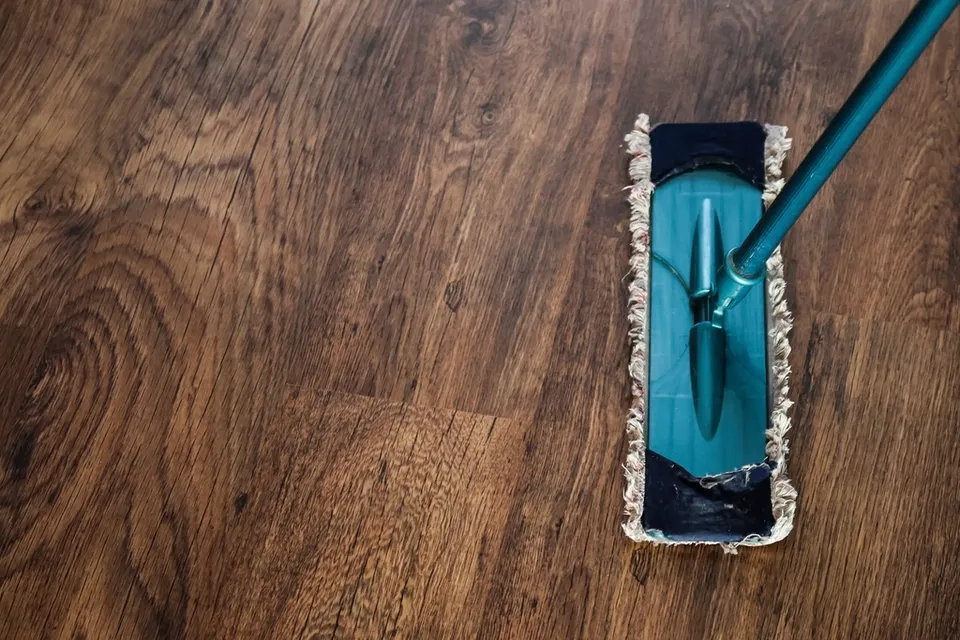
- Flat microfiber mops with long, padded handles and spray triggers, instead of wringing a string mop
- Long-handled dusters, scrub brushes and dustpans so there's no bending or kneeling
- Thick, cushioned or loop handles that don't require a tight grip
- Reachers and grabber tools for picking things up from the floor
- Easy-open spray bottles and pump dispensers instead of twist caps
- Electric spin scrubbers for tubs, tile and grout
General information for families, not medical advice. If cleaning causes ongoing joint pain or swelling, ask your parent's doctor or an occupational therapist about safe ways to stay active at home.
Keeping a home clean takes a surprising amount of hand and joint work: squeezing spray triggers, wringing mops, twisting caps, gripping a vacuum, scrubbing the tub and bending to the floor. For an older parent with arthritis in their hands, wrists, knees or back, everyday chores can turn painful, and many people either push through and pay for it later or let the house slide. The right tools change that. Many are inexpensive and available at any hardware store. This guide covers the best cleaning tools for arthritic hands, knees and backs, room by room, plus simple joint-saving habits and ways families can help without taking over.
In this guide:
- what makes a cleaning tool arthritis-friendly
- floors and vacuuming
- kitchen and bathroom tools
- dusting, laundry and trash
- joint-saving habits
- how families can help
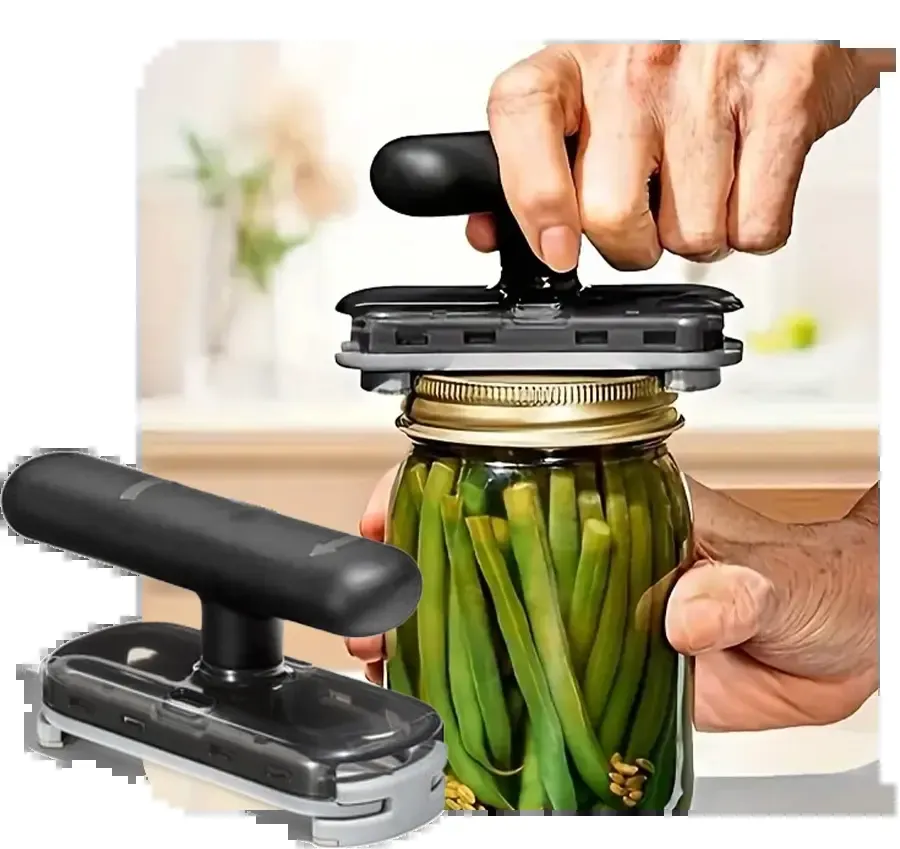
Our pick: the Cap Crack Jar and Bottle Opener
Adjustable, no-battery jar and bottle opener with an ergonomic handle that gives leverage, made for hands with arthritis or weak grip.
Check today's price →$29.99, or from $19.99 each in bundles
What makes a cleaning tool arthritis-friendly?
- Light weight: less load on hands, wrists and shoulders.
- Thick, soft handles: a wider grip spreads pressure and needs less squeezing.
- Long reach: no bending, kneeling or stretching.
- Push and pull instead of twist and squeeze.
- Large buttons and levers that work with a palm or a few fingers.
- Cordless, so there's no cord to wrestle with or trip over.
The Arthritis Foundation describes how self-help devices protect joints and make daily tasks easier. Arthritis affects a large share of older adults, according to CDC arthritis statistics, so these tools help millions of families.
What are the best floor cleaning tools for arthritis?
| Tool | Why it helps | Tips |
|---|---|---|
| Cordless stick vacuum | Light, no cord, easy to switch on | Choose one with a large button and a bin that empties with one press |
| Robot vacuum | Does daily floors with no effort | Simple models with one button suit many older adults |
| Flat microfiber spray mop | No wringing; pads come off with a foot press | Look for a padded handle and a light spray trigger |
| Long-handled dustpan and broom | No bending to sweep up | A lobby-style dustpan with a tall handle is easiest |
| Carpet sweeper | Very light for quick crumbs | Good between vacuum days |
Avoid heavy upright vacuums and bucket-and-wring mops, which strain hands, wrists and backs the most.
Which kitchen cleaning tools help arthritic hands?
- Soap-dispensing dish brushes with thick handles, so there's no squeezing a sponge.
- Pump dish soap instead of squeeze bottles.
- Long-handled scrub brushes for pots and the sink.
- Silicone scrubbers that are easier to hold than thin sponges.
- A lever-style faucet instead of twist knobs, if you're remodeling.
- Paper towel holders that let you tear with one hand.
More ideas in kitchen gadgets for arthritis and kitchen safety for seniors.
How can someone with arthritis clean the bathroom more easily?
- Electric spin scrubber with a long handle for the tub, tile and grout. It does the scrubbing motion for you.
- Long-handled toilet brush with a thick grip, or toilet cleaning products that work without scrubbing.
- Shower spray cleaners you mist after showering so buildup doesn't form.
- A squeegee with a padded handle for glass doors.
- A shower chair to sit on while cleaning the tub walls.
Because bathrooms are slippery, safety matters too. See bathroom safety for seniors.
How do you make cleaning bottles easier to open?
Child-resistant and tightly sealed cleaning bottles are one of the most frustrating parts of cleaning with arthritis. A few fixes help:
- Use a lever-style opener that grips the cap and gives extra leverage.
- Ask for non-child-resistant caps on products where that's an option and no children visit.
- Pour into easy-pump bottles or trigger sprayers with large triggers.
- Buy ready-to-use refills in containers your parent can manage.
Tips for medicine bottles too: how to open a pill bottle with arthritis.
An easier way to open tight caps and lids
Cap Crack is an adjustable, no-battery opener with an ergonomic handle that gives leverage on jars, bottles and cleaning product caps. $29.99, or from $19.99 each in bundles, with a 90-day guarantee.
Check today's price →$29.99, or from $19.99 each in bundles
What helps with dusting and high or low spots?
- Extendable microfiber dusters for ceiling fans, shelves and baseboards.
- Reacher-grabbers to pick up items from the floor without bending.
- Microfiber mitts that slip over the hand, so there's no cloth to grip.
- Handheld vacuums under 2 lb for furniture and stairs.
Which tools make laundry easier?
- laundry baskets on wheels, or a basket with large cut-out handles
- pre-measured detergent pods or pump dispensers instead of heavy jugs
- a folding table at counter height so there's no bending
- front-loading machines raised on a pedestal
- lightweight hangers with wide hooks
How do you make taking out the trash easier?
- smaller trash bags that aren't too heavy when full
- a step-on can with a lid that opens without hands
- a wheeled outdoor bin with a large handle
- asking a neighbor or family member to take bins to the curb on pickup day
Which joint-saving habits help most?
- Spread chores over the week instead of one big cleaning day.
- Use the largest, strongest joints: push a door open with the shoulder, carry bags on the forearm.
- Sit when you can, for folding laundry or polishing.
- Take breaks every 15 to 20 minutes.
- Warm up hands with warm water or gentle exercises first. See hand exercises for arthritis.
- Keep supplies where they're used, so there's no carrying heavy caddies around the house.
- Stop if it hurts: pain is a signal to change the method.
Can an occupational therapist help?
Yes. An occupational therapist can watch how your parent cleans and suggest specific tools and techniques for their joints, home and abilities. They often know about gadgets families have never heard of. Read occupational therapy for seniors.
How can family help without taking over?
- Ask which chores are hardest, and start there.
- Swap tools quietly: a lighter vacuum or a spray mop as a gift.
- Take on the heaviest jobs, like deep cleaning the oven or flipping mattresses.
- Consider a cleaning service once a month for big jobs.
- Respect their way of doing things: independence matters as much as a spotless house.
More ways to support a parent: how to help an elderly parent with arthritis.
Are cleaning tools a good gift for a parent with arthritis?
They can be, if they're chosen thoughtfully. A cordless stick vacuum, a robot vacuum or an easy-grip opener can make daily life noticeably easier. Pair the practical gift with something personal, and present it as "this made my life easier" rather than "you need help". More ideas: gifts for someone with arthritis.
Is cleaning harder with arthritis in winter?
Many people with arthritis feel stiffer in cold weather. Warm up the house before cleaning, run hands under warm water, wear lightweight gloves for outdoor chores and save the heaviest jobs for the time of day when joints feel best, often late morning. See arthritis in cold weather.
What does an arthritis-friendly cleaning week look like?
Breaking chores into small daily pieces is one of the most effective ways to protect sore joints. Here's an example plan many families adapt:
| Day | Chore | Joint-friendly tool |
|---|---|---|
| Monday | Kitchen counters and sink | Soap-dispensing brush, pump soap |
| Tuesday | Floors in main rooms | Cordless stick vacuum or robot vacuum |
| Wednesday | Bathroom sink and mirror | Microfiber mitt, trigger spray |
| Thursday | Laundry | Wheeled basket, detergent pods |
| Friday | Dusting | Extendable microfiber duster |
| Saturday | Tub and shower | Electric spin scrubber, shower chair |
| Sunday | Rest | None |
Ten to twenty minutes a day is usually easier on the body than a two-hour cleaning session once a week. It also keeps the home tidy enough that no single job becomes overwhelming. If your parent lives alone, a short daily routine is also a gentle way to stay active, which many people with arthritis find helps stiffness.
Where can you find these tools?
Most arthritis-friendly cleaning tools are sold at hardware stores, big-box stores and pharmacies, often in the "home health" or "daily living aids" aisle. Medical supply stores carry reachers, long-handled sponges and shower chairs. An occupational therapist can recommend specific models. Our guide to daily living aids for seniors lists more tools that make everyday tasks easier.
What about outdoor chores?
Sweeping the porch, raking leaves and clearing snow are some of the hardest jobs on arthritic joints. A light cordless leaf blower or a wide push broom is easier than a rake, and a snow pusher shovel is easier than lifting snow. For many older adults, outdoor chores are the first ones worth handing to a family member, a neighbor or a paid service.
The bottom line
The best cleaning tools for people with arthritis are:
- light, cordless vacuums and flat spray mops instead of heavy uprights and wringing
- long-handled dusters, brushes and dustpans to avoid bending
- thick, padded handles and pump or trigger bottles
- electric scrubbers for tubs and tile
- an easy-grip opener for tight caps
Cap Crack makes stubborn caps and lids easier with an adjustable, no-battery design: $29.99, or from $19.99 each in bundles, with a 90-day guarantee.
Our pick: the Cap Crack Jar and Bottle Opener
Adjustable, no-battery jar and bottle opener with an ergonomic handle that gives leverage, made for hands with arthritis or weak grip.
Check today's price →$29.99, or from $19.99 each in bundles
Frequently asked questions
What cleaning tools are best for arthritic hands?
Light cordless vacuums, flat spray mops, long-handled brushes and dusters, thick padded handles, pump bottles and lever-style openers for tight caps.
How can I mop with arthritis?
Use a flat microfiber spray mop with a padded handle. There's no bucket or wringing, and pads come off with a foot press.
What vacuum is easiest for someone with arthritis?
A light cordless stick or handheld vacuum with a large button, or a simple one-button robot vacuum for daily floors.
How do you open cleaning bottles with arthritis?
Use a lever-style opener, ask for non-child-resistant caps where possible or pour products into easy-pump bottles.
How can someone with arthritis clean the bathtub?
An electric spin scrubber with a long handle does the scrubbing motion, and a shower chair lets them sit while cleaning.
Can an occupational therapist help with housework?
Yes. They can suggest tools and techniques that protect your parent's joints at home.

Laura Bennett
Laura Bennett is the pen name of the Aging Parents at Home editorial team at Iqueda Media LLC. We write for adult children who want to help their aging parents stay safe and independent at home. The team researches daily-living and safety products, reads the official guidance from public health and safety organizations, and checks prices, policies and buyer feedback. We are not doctors, nurses or physical therapists. Her guides are built on official public health and safety guidance, manufacturer information, checkout and return policies, and buyer feedback, and are updated when offers change. More about Laura.