
- Pick the type: a shower stool for small showers, a chair with a back for more support, or a tub transfer bench if your parent has to step over a tub wall.
- Check the weight capacity and choose one with a comfortable margin.
- Measure the shower or tub so the chair fits with room to move.
- Get adjustable legs with rubber, non-slip tips.
- Consider arms and a back for help sitting and standing.
- Choose rust-resistant materials with drainage holes.
- Pair it with grab bars and a handheld shower.
The bathroom is one of the riskiest rooms in the house for older adults. Wet, hard surfaces, stepping over a tub wall and standing for several minutes with eyes closed under running water all increase the chance of a fall. A shower chair is one of the simplest, most affordable ways to make bathing safer. It lets your parent sit while washing, rest when tired and avoid standing on one leg to wash their feet. But shower chairs come in many styles, and the wrong size or type can be unstable or simply not fit. This guide explains the types of shower chairs, how to measure, which features matter, how to use one safely, what else to add to the bathroom and how to talk to your parent about it.
In this guide:
- who benefits from a shower chair
- types of shower seats
- how to measure
- features to look for
- using a shower chair safely
- other bathroom safety upgrades
General information for families, not medical advice. An occupational therapist can recommend the right bathing equipment for your parent's needs. If your parent falls and is hurt, can't get up or hits their head, call 911.
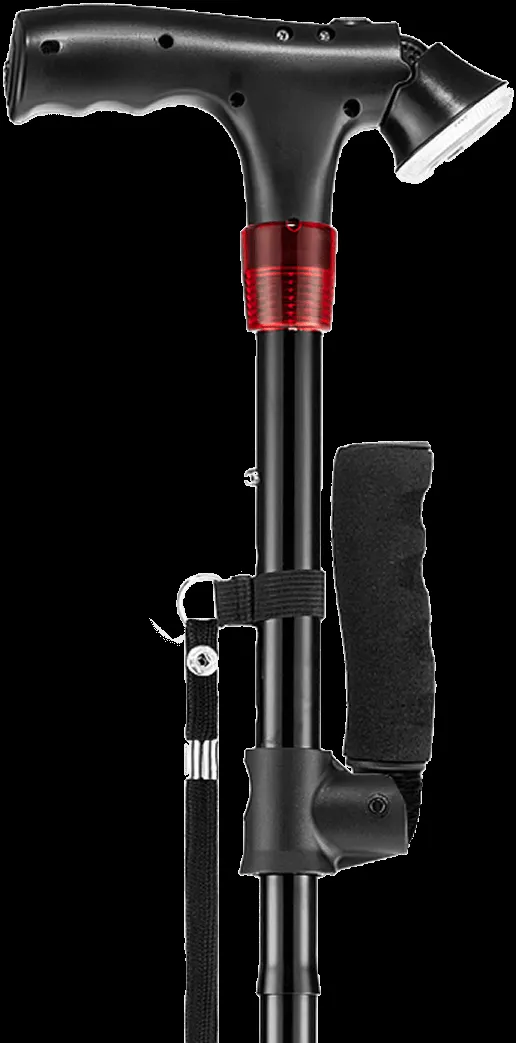
Our pick: the Ready Walker Cane
Self-standing folding cane with a 4-point pivoting base, a second handle for standing up, LED light and alarm. Supports up to 300 lb.
Check today's price →$59.99 · ships from Ohio · 30-day guarantee
Who benefits from a shower chair?
- anyone who feels tired or unsteady standing in the shower
- people with balance problems, dizziness or low blood pressure
- people recovering from surgery, illness or a hospital stay
- people with arthritis, joint pain or weakness in the legs
- anyone who has trouble washing their feet and legs while standing
The National Institute on Aging lists bathroom changes like grab bars and shower seats among ways to prevent falls at home. See also bathroom safety for seniors.
What types of shower chairs are there?
| Type | Best for | Notes |
|---|---|---|
| Shower stool | Small showers, mild needs | No back or arms; compact |
| Shower chair with back | More support | Some have arms for sitting and standing |
| Tub transfer bench | Bathtubs | Two legs in, two out; slide across instead of stepping over |
| Wall-mounted fold-down seat | Walk-in showers | Must be installed into studs; folds away |
| Rolling shower commode chair | Roll-in showers, limited mobility | Doubles as a commode; locking wheels |
| Swivel seat | Easier turning | Rotates to help get in and out |
How do you measure for a shower chair?
- Measure the shower floor or tub: width and depth inside.
- Measure the chair's footprint, including the spread of the legs.
- Check seat height: when seated, your parent's feet should rest flat on the floor with knees at about a right angle.
- For tubs, measure the tub wall height and the space outside for a transfer bench.
- Leave room to move, wash and reach the controls.
Our pick: the Ready Walker Cane
Self-standing folding cane with a 4-point pivoting base, a second handle for standing up, LED light and alarm. Supports up to 300 lb.
Check today's price →$59.99 · ships from Ohio · 30-day guarantee
What features matter most?
- Weight capacity: choose one with a comfortable margin above your parent's weight.
- Adjustable legs: for the right height and a level seat on sloped floors.
- Non-slip rubber feet: check them often and replace if worn.
- Back and arms: for support and help when standing up.
- Drainage holes: so water doesn't pool on the seat.
- Rust-resistant frame: aluminum or plastic.
- Padded or contoured seat: for comfort during longer showers.
- Cut-out or hygienic opening for easier washing, if needed.
What if your parent has a bathtub?
Stepping over a tub wall is one of the riskiest moves in the bathroom. A tub transfer bench sits with two legs inside the tub and two outside. Your parent sits on the outside part, swings their legs over and slides across, so they never step over the wall. Pair it with a handheld shower and a curtain made for transfer benches. See how to help an elderly parent shower safely.
How do you use a shower chair safely?
- set the chair up before turning on the water and check that it's level and stable
- back up until the legs touch the chair, reach for the arms or a grab bar, and sit slowly
- use a handheld shower head so they can stay seated
- keep soap and shampoo within reach, in a caddy at seat height
- use a long-handled sponge for feet and back
- stand slowly, leaning forward, holding a grab bar
- dry off while seated if possible
What else should go with the shower chair?
- Grab bars at the entry and near the seat; see grab bar placement
- Handheld shower head on a slide bar
- Non-slip mat or strips inside the shower and a non-slip rug outside
- Good lighting and a night light for nighttime trips
- Raised toilet seat or toilet safety frame nearby
- Anti-scald valve or a lower water heater temperature
See home modifications for the elderly.
How do you talk to your parent about a shower chair?
Some older adults see a shower chair as a sign of losing independence. It helps to frame it as comfort and energy-saving: sitting makes showers more relaxing and less tiring. Let your parent pick the style, try it together and point out that many people use them after surgery or during recovery. See when an aging parent refuses help.
How much does a shower chair cost, and is it covered?
Basic shower stools and chairs are affordable, while transfer benches, padded and rolling models cost more. Medicare generally treats shower chairs as convenience items, so they're usually not covered, but some Medicare Advantage plans, Medicaid programs or local aging services may help. Check with the plan or your local Area Agency on Aging through the Eldercare Locator.
How do you care for a shower chair?
- rinse and let it dry after use
- clean weekly with mild soap to prevent mildew
- check rubber feet, bolts and adjustment pins monthly
- replace it if it wobbles, cracks or rusts
Where does Ready Walker fit in?
The trip to and from the bathroom matters as much as the shower itself. Ready Walker is a self-standing cane, so it stays upright right outside the shower or next to the bed instead of falling over. It's adjustable, folds for travel and costs $59.99, with a 30-day guarantee and shipping from Ohio. Never use a cane on a wet shower floor; it's for the walk there and back. Read our Ready Walker cane review.
What mistakes should you avoid?
- buying a chair that's too wide for the shower floor
- setting the seat too low, which makes standing up hard
- using a regular plastic patio chair, which can slip or crack
- skipping grab bars and relying on towel racks, which aren't made to hold weight
- placing the chair where your parent has to twist to reach the water
- ignoring worn rubber feet
How does a shower chair help independence?
Many older adults stop showering as often because standing is tiring or they're afraid of falling. That can affect hygiene, skin health and confidence. A shower chair makes showers shorter, safer and more comfortable, so many people can keep bathing on their own for longer. It can also reduce the need for help with bathing, which many parents find embarrassing. Combined with grab bars and a handheld shower, it's one of the most effective bathroom changes you can make. See the aging in place checklist.
How can a caregiver help with showers?
- set up the chair, towels and toiletries before the shower
- check the water temperature with your wrist
- stay nearby and offer help only where needed
- let your parent wash as much as they can
- help with drying and dressing while seated
Respect privacy by using a towel over the lap and keeping conversation light. If showers become hard to manage, ask about home health aides. See caregiver burnout for support for yourself.
What about travel and visits?
When your parent visits or travels, the bathroom may not be set up for them. Folding shower stools and portable grab bars with suction cups exist, but suction bars are not reliable for full weight. Ask hotels for accessible rooms with roll-in showers and seats, and bring a folding stool for family visits. See holiday travel with elderly parents.
Should you try before you buy?
If possible, yes. Some medical supply stores let you sit on display models, and an occupational therapist may bring samples on a home visit. Check the return policy before buying online, and set the chair up in the dry shower first so your parent can practice sitting and standing before using it with water.
The bottom line
To choose a shower chair:
- pick a stool, chair with back, transfer bench or wall seat to fit the bathroom
- measure the space and set the seat height so feet rest flat
- look for weight capacity, adjustable legs, non-slip feet and drainage
- add grab bars, a handheld shower and non-slip mats
- ask an occupational therapist for advice if unsure
Ready Walker is a self-standing cane for the trip to and from the bathroom, $59.99 with a 30-day guarantee.
Our pick: the Ready Walker Cane
Self-standing folding cane with a 4-point pivoting base, a second handle for standing up, LED light and alarm. Supports up to 300 lb.
Check today's price →$59.99 · ships from Ohio · 30-day guarantee
Frequently asked questions
What type of shower chair is best for seniors?
It depends on the bathroom: a stool for small showers, a chair with a back and arms for more support, or a tub transfer bench for bathtubs.
What height should a shower chair be?
When seated, your parent's feet should rest flat on the floor with knees at about a right angle.
Is a shower chair better than a bench?
For bathtubs, a transfer bench is safer because your parent slides across instead of stepping over the tub wall.
Does Medicare cover shower chairs?
Usually not, since they're considered convenience items. Some Medicare Advantage or Medicaid programs may help.
Do shower chairs need grab bars too?
Yes. Grab bars at the entry and near the seat help with sitting, standing and stepping in and out.
How do you keep a shower chair from slipping?
Choose one with rubber non-slip feet, level the legs and check the feet regularly for wear.

Laura Bennett
Laura Bennett is the pen name of the Aging Parents at Home editorial team at Iqueda Media LLC. We write for adult children who want to help their aging parents stay safe and independent at home. The team researches daily-living and safety products, reads the official guidance from public health and safety organizations, and checks prices, policies and buyer feedback. We are not doctors, nurses or physical therapists. Her guides are built on official public health and safety guidance, manufacturer information, checkout and return policies, and buyer feedback, and are updated when offers change. More about Laura.