If you're worried about a parent falling, you're not alone, and you're not overreacting. According to the CDC, more than one in four older adults falls each year, but less than half tell their doctor. Falling once doubles the chance of falling again, and falls send about 4.5 million older adults to the emergency room every year.
The good news: the National Institute on Aging says many falls can be prevented. This guide walks you through why older adults fall, a room-by-room home safety checklist, the health steps that matter most and the simple tools that help your parent stay steady and independent.
General information for families, not medical advice. Talk to your parent's doctor or a physical therapist about fall risk, balance and mobility aids.
Why do older adults fall?
Falls rarely have just one cause. The NIA lists several common risk factors:
- Changes in eyesight, hearing and reflexes.
- Health conditions such as diabetes, heart disease and problems with the nerves, feet or blood vessels that affect balance.
- Loss of muscle mass and strength (sarcopenia), and problems with balance and walking.
- Blood pressure that drops when standing up too quickly.
- Medications that cause dizziness or confusion. The more medications, the higher the risk.
- Rushing to the bathroom, especially at night.
- Foot pain and unsafe footwear, such as backless slippers or high heels.
- Home hazards: loose rugs, clutter, poor lighting, slippery floors and stairs without rails.
That's actually encouraging: many of these are things a family can help change.
What are the warning signs your parent is at risk?
- They hold onto furniture or walls when walking around the house.
- They've had a fall or a near-fall recently, even if they weren't hurt.
- They seem unsteady getting up from a chair, bed or toilet.
- They've started avoiding stairs, walks or outings.
- They shuffle, walk more slowly or seem afraid of falling.
- They've started a new medication or had a recent hospital stay.
If you notice these signs, it's a good time to talk to their doctor and to make the home safer together.
Room-by-room home safety checklist
Entryways and hallways
- Remove or secure loose rugs with double-sided tape or non-slip backing.
- Keep walkways clear of shoes, cords, boxes and pet bowls.
- Add bright lighting and light switches at both ends of hallways.
- Put a sturdy chair or bench by the door for putting on shoes.
Stairs
- Install sturdy handrails on both sides of the stairs.
- Make sure stairs are well lit, with switches at the top and bottom.
- Fix loose or uneven steps and carpet.
- Add contrasting tape on step edges if they're hard to see.
- Never store things on the stairs.
Bathroom
- Install grab bars next to the toilet and in the tub or shower.
- Use a non-slip mat or adhesive strips in the tub and shower.
- Consider a shower chair and a handheld shower head.
- A raised toilet seat can make sitting and standing easier.
- Add a night light between the bedroom and bathroom.
Bedroom
- Put a lamp or touch light within reach of the bed.
- Use motion-sensor night lights along the path to the bathroom.
- Keep a phone, glasses and a flashlight by the bed.
- Make sure the bed is a comfortable height for getting in and out.
Kitchen
- Keep everyday items on lower shelves, between waist and shoulder height.
- Avoid step stools; if one is needed, choose a sturdy one with a handle.
- Wipe up spills right away.
- Make tasks easier with simple tools, like a jar opener for tight lids. See how to open a tight jar.
Outside
- Fix cracked walkways and uneven steps.
- Add outdoor lighting and handrails at the entrance.
- Clear leaves, ice and snow promptly.
What health steps matter most?
- Tell the doctor about any fall. Ask for a fall-risk check.
- Review medications with the doctor or pharmacist at least once a year, especially sleeping pills, blood pressure medicines and anything that causes dizziness.
- Check vision every year and update glasses.
- Check hearing; hearing and balance are connected.
- Stay active. The NIA stresses that exercise, especially strength and balance training like tai chi, helps prevent falls. Fear of falling shouldn't stop activity.
- Take care of feet and wear supportive shoes with non-slip soles, even at home.
- Stand up slowly to avoid dizziness from a drop in blood pressure.
When does a mobility aid make sense?
If your parent feels unsteady, holds onto furniture or has had a near-fall, a mobility aid can make a real difference in stability and confidence. The right choice depends on how much support they need, so it's worth asking a doctor or physical therapist:
| Aid | Best for |
|---|---|
| Single-point cane | Mild balance problems, light support |
| Self-standing multi-point cane | More stability than a standard cane; stays upright when you let go |
| Walker or rollator | Significant unsteadiness, needing to lean on the aid |
| Wheelchair or scooter | Limited walking ability or long distances |
A cane only helps if it's the right height and used correctly. Our guide how to use a cane correctly explains the details.
Our pick for light, everyday support: Ready Walker
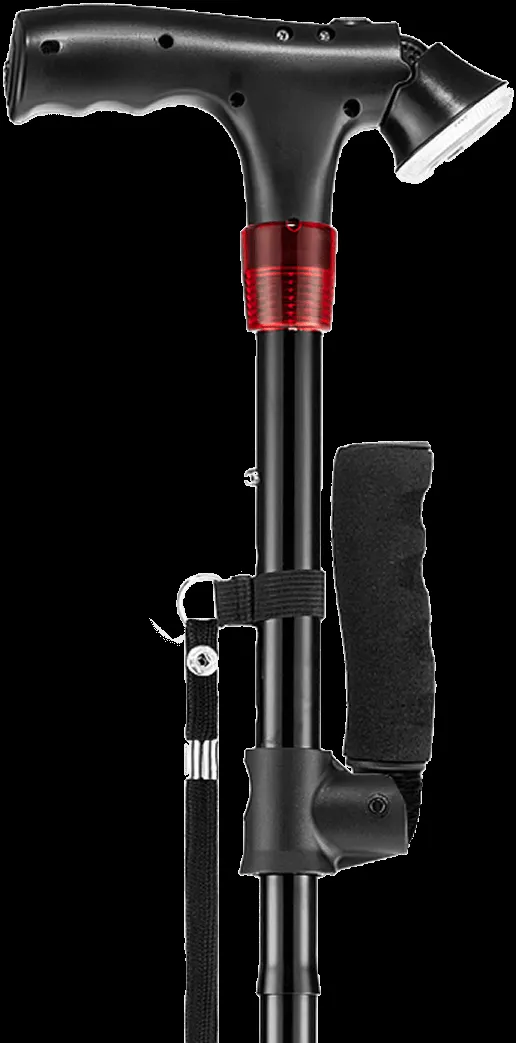
For parents who need a little extra support but aren't ready for a walker, we like the Ready Walker Cane. It's designed around the moments when falls often happen: standing up, walking at night and walking on uneven ground. According to Ready Walker, it offers:
- A pivoting four-point base that keeps solid contact on stairs, curbs, grass and cracked pavement, and lets the cane stand on its own.
- A second, lower handle to help push up from a chair, bed or toilet.
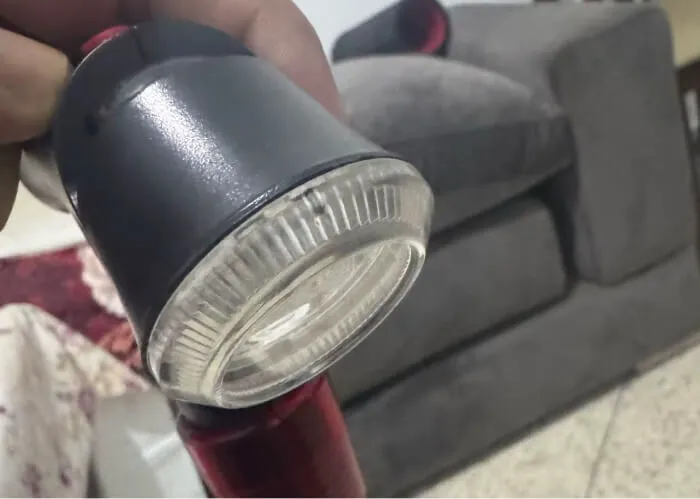
- A built-in LED light for night-time trips to the bathroom.
- A loud built-in alarm to attract attention nearby.
- Aircraft-grade aluminum that supports up to 300 lbs, with quick height adjustment and a folding design.
It costs $59.99 on the official site, ships from Ohio and comes with a 30-day money-back guarantee. Read our full Ready Walker cane review.
Our pick: the Ready Walker Cane
Self-standing folding cane with a 4-point pivoting base, a second handle for standing up, LED light and alarm. Supports up to 300 lb.
Check today's price →$59.99 · ships from Ohio · 30-day guarantee
Why are nighttime falls so common?
Many falls happen on the way to the bathroom at night: the room is dark, the person is sleepy, may feel dizzy standing up and is often in a hurry. Simple fixes help a lot:
- Motion-sensor night lights from the bed to the bathroom.
- Sitting on the edge of the bed for a moment before standing.
- A cane with a built-in light within reach of the bed.
- A clear, clutter-free path.
- Talking to the doctor if nighttime bathroom trips are frequent.
What should you do if your parent falls?
- Stay calm and check for injuries before trying to move.
- Call 911 if they're hurt, can't get up, hit their head, are confused or are on blood thinners.
- If they're not hurt, help them roll to their side, get onto hands and knees, crawl to a sturdy chair and slowly rise.
- Tell the doctor about the fall, even if they seem fine.
- Look for the cause, such as a rug, poor light or dizziness, and fix it.
Many parents also worry about falling when no one is around. A simple personal alarm can help them attract attention from neighbors or family nearby; see personal safety alarms for seniors.
How do you talk to a parent about fall risk?
- Focus on independence, not limitations: "I want you to stay in your home as long as you want."
- Ask, don't tell. "What feels harder lately?"
- Make changes together and let them choose.
- Start small: night lights and removing rugs are easy wins.
- Involve their doctor, who can recommend exercise programs, physical therapy or aids.
How much does fall-proofing a home cost?
Many of the most effective changes are inexpensive: night lights, non-slip mats, removing rugs, rearranging furniture and moving items to lower shelves cost little or nothing. Grab bars and handrails are a modest investment, and a quality cane costs less than a single urgent care visit. Compared with the cost and disruption of a fall, prevention is one of the best investments a family can make.
Which exercises help prevent falls?
Strength and balance exercises are among the most effective ways to prevent falls. Tai chi, simple balance practice (like standing on one foot while holding a counter) and leg-strengthening exercises are commonly recommended. A physical therapist can design a safe program.
Related guides: bathroom safety, night-time fall prevention and how to get up after a fall.
The bottom line
Falls are common, but many are preventable. Make the home safer room by room, keep up with exercise, vision and medication checks, and choose the right support when your parent needs it. Small, practical changes help your parent stay steady, confident and independent at home.
For light, everyday support, our pick is the Ready Walker Cane: self-standing, with a second handle, LED light and alarm. Check today's price on the official site.
Sources
- Centers for Disease Control and Prevention. Older Adult Falls: Facts and Stats.
- National Institute on Aging. Falls and Fractures in Older Adults: Causes and Prevention.
- American Academy of Orthopaedic Surgeons (OrthoInfo). How to Use Crutches, Canes, and Walkers.
- Official Ready Walker product page and checkout, checked October 2026.
Frequently asked questions
How common are falls in older adults?
Very common. The CDC reports that more than one in four older adults falls each year, and less than half tell their doctor. Falling once doubles the chance of falling again.
What is the most common cause of falls in the elderly?
Usually a combination: weaker muscles and balance, vision changes, medications that cause dizziness, foot problems and home hazards like loose rugs, clutter, poor lighting and stairs without rails.
What are the best ways to prevent falls at home?
Remove tripping hazards, add lighting and night lights, install grab bars and stair rails, wear supportive shoes, stay active with strength and balance exercise, and have vision and medications reviewed.
Do canes help prevent falls?
A properly sized cane can improve balance and confidence for people who need extra support. Ask a doctor or physical therapist whether a cane is right and how to use it.
What should I do if my parent falls?
Check for injuries before moving, call 911 if they are hurt, can't get up or hit their head, and tell their doctor about any fall, even if they seem fine.
How can I help a parent who is afraid of falling?
Talk openly, make the home safer together, encourage balance and strength exercise, and choose aids they feel good using. The NIA notes that staying active actually helps prevent falls.
What is a good mobility aid for seniors at home?
It depends on the person. For people who need light support, our pick is the Ready Walker, a self-standing folding cane with a pivoting base, a second handle for standing up, an LED light and an alarm.

Laura Bennett
Laura Bennett is the pen name of the Aging Parents at Home editorial team at Iqueda Media LLC. We write for adult children who want to help their aging parents stay safe and independent at home. The team researches daily-living and safety products, reads the official guidance from public health and safety organizations, and checks prices, policies and buyer feedback. We are not doctors, nurses or physical therapists. Her guides are built on official public health and safety guidance, manufacturer information, checkout and return policies, and buyer feedback, and are updated when offers change. More about Laura.