
- Roll to the side: bend the knees and roll toward the edge of the bed.
- Swing the legs over the edge while pushing up with the arms to sit.
- Sit for a minute with feet flat on the floor, to avoid dizziness.
- Scoot forward to the edge, feet slightly apart and under the knees.
- Lean forward ("nose over toes") and push up from the bed with both hands.
- Stand still for a moment, holding something stable, before walking.
Getting out of bed is something most of us do without thinking, but for many older adults it becomes one of the hardest and riskiest moves of the day. Stiff joints in the morning, weak legs, dizziness when sitting up and a bed that's too low or too soft can all make it a struggle. Many falls happen in the bedroom, especially at night or first thing in the morning. The good news is that a simple technique, the right bed setup and a few inexpensive aids make a big difference. This guide shows how your parent can get out of bed step by step, how you can help without hurting either of you, what to change in the bedroom and when to ask for professional help.
In this guide:
- why getting out of bed gets harder
- the safe step-by-step technique
- how to help without pulling
- bed height and setup
- aids that make it easier
- nighttime and morning tips
General information for families, not medical advice. A physical or occupational therapist can teach the safest technique for your parent. If your parent falls and is hurt, can't get up, or hits their head, call 911.
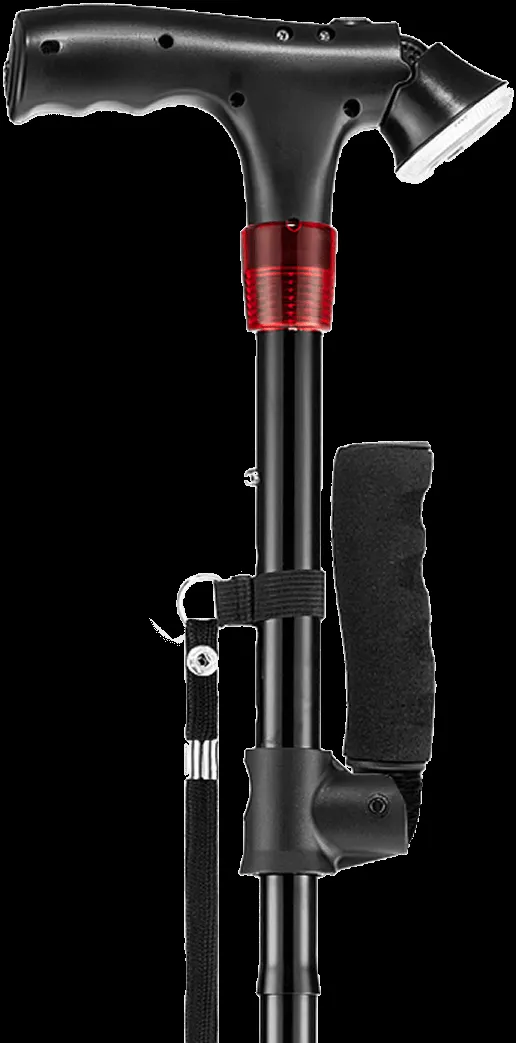
Our pick: the Ready Walker Cane
Self-standing folding cane with a 4-point pivoting base, a second handle for standing up, LED light and alarm. Supports up to 300 lb.
Check today's price →$59.99 · ships from Ohio · 30-day guarantee
Why does getting out of bed get harder with age?
- Weaker leg and core muscles, which are needed to sit up and stand.
- Stiff joints from arthritis, worst in the morning.
- Dizziness when sitting or standing up, often from a drop in blood pressure.
- Beds that are too low, too high or too soft.
- Medications that cause drowsiness or lightheadedness.
- Recovery from surgery or illness.
Falls are common and serious in older adults. The National Institute on Aging explains causes of falls and how to prevent them, including standing up slowly. See also dizziness when standing up.
What is the safest way to get out of bed?
This "log roll" method is often taught by therapists because it protects the back and reduces strain:
- Bend the knees while lying on the back.
- Roll onto the side facing the edge of the bed, moving shoulders and hips together.
- Lower the legs over the edge of the bed.
- Push up with the bottom elbow and the top hand to sit up as the legs go down.
- Sit and rest for 30 seconds to a minute. Pump the ankles to get blood flowing.
- Scoot forward so the feet are flat on the floor, under or slightly behind the knees.
- Lean forward and push up with both hands on the bed.
- Stand tall and wait a moment, holding a stable support, before taking a step.
How do you help without hurting your parent or yourself?
- Never pull on their arms or hands; it can injure shoulders and wrists and pull you off balance.
- Stand close, at their side, with your feet apart and knees bent.
- Give clear, simple cues: "Roll toward me... now legs down... push up."
- Let them do as much as they can; your job is to guide and steady.
- Support at the shoulder blade and hip when helping them sit up.
- Use a gait belt if a therapist recommends one, to hold safely while they stand.
- Protect your back: lift with your legs, not your back, and never try to catch a falling adult by yourself.
Caring for a parent is physical work. The NIA has helpful guidance on getting started with caregiving.
A support waiting right by the bed
Ready Walker is a self-standing cane, so it stays upright next to the bed and is ready to grab for the first steps. $59.99, with a 30-day guarantee, ships from Ohio.
Check today's price →$59.99 · ships from Ohio · 30-day guarantee
What is the right bed height?
When your parent sits on the edge of the mattress, their feet should rest flat on the floor with the knees at about a right angle, or slightly higher than the hips. A bed that's too low makes standing hard; a bed that's too high leaves feet dangling.
| Problem | Fix |
|---|---|
| Bed too low | Bed risers, a thicker mattress or a taller frame |
| Bed too high | A lower frame or thinner mattress; avoid step stools |
| Mattress too soft | A firmer mattress or a firm edge support |
| Bed slides on the floor | Non-slip pads under the legs, or lock casters |
Which aids make getting out of bed easier?
- Bed rail or bed support handle that slides under the mattress, for something sturdy to push on. Install according to instructions and check for gaps.
- Bed ladder or pull strap attached to the foot of the bed to help pull up to sitting.
- Leg lifter strap to help lift the legs onto or off the bed.
- Hospital-style adjustable bed that raises the head and adjusts height.
- Walking aid within reach: a cane or walker placed by the bed before sleep.
- Motion-sensor night lights that turn on when feet touch the floor.
An occupational therapist can recommend the right aids. See occupational therapy for seniors and daily living aids for seniors.
How do you set up the bedroom for safety?
- clear a wide path from the bed to the bathroom
- remove loose rugs or tape them down
- place a lamp or touch light within reach of the bed
- keep glasses, phone and water on the nightstand
- place slippers and the walking aid next to the bed
- consider a bedside commode if bathroom trips at night are risky
What about getting up at night?
Nighttime is when many falls happen: it's dark, your parent may be groggy, and they may be rushing to the bathroom. Encourage them to sit at the edge of the bed for a minute, turn on a light first and use their cane or walker even for short trips. Limiting drinks an hour or two before bed can reduce trips. More in night-time fall prevention.
How can you make mornings easier?
- do gentle stretches in bed first: ankle circles, knee bends, arm stretches
- keep the bedroom warm so joints aren't stiff from cold
- take morning medications as prescribed, with the doctor's guidance on timing
- don't rush; plan extra time
Morning stiffness is common with arthritis. See arthritis in cold weather for tips.
Which exercises make getting out of bed easier?
Strong legs and core make every transfer easier. With the doctor's OK, simple exercises include sit-to-stand from a sturdy chair, seated leg lifts, bridges in bed and gentle core work. A physical therapist can tailor a program. See how to stand up from a chair and balance exercises for seniors.
What if your parent falls getting out of bed?
- stay calm and check for pain, injury or a head bump
- call 911 if they're hurt, can't move, hit their head or are confused
- if they're not hurt, help them get up slowly using a sturdy chair, following a safe technique
- tell their doctor about any fall, even without injury
See how to get up after a fall and what to do after a fall.
When should you get professional help?
- your parent can't get out of bed without major help
- you're worried about hurting your back or theirs
- they've fallen getting out of bed
- they're recovering from surgery, a stroke or a long hospital stay
Ask the doctor about physical therapy, home health or a home safety evaluation. Medicare explains when it covers home health services.
Where does Ready Walker fit in?
The first few steps after standing up are the most unsteady. A cane that falls over or rests against the nightstand is hard to reach from the edge of the bed. Ready Walker is a self-standing cane, so it stays upright right beside the bed overnight, ready to grab as soon as your parent stands. It's adjustable in height and costs $59.99, with a 30-day guarantee and shipping from Ohio. Read our Ready Walker cane review and why self-standing canes help.
What if your parent has memory problems?
People with dementia may forget the steps or feel confused when they wake up. Keep instructions short and give one cue at a time, using the same words every day. Show the move with your own body if that helps. Keep the room calm and well lit, and give extra time. A bed alarm or motion-sensor light can let you know when they're getting up at night, so you can be there to help.
Should your parent practice during the day?
Yes. Practicing the roll-to-sit and sit-to-stand moves during the day, when your parent is rested and alert, makes them easier at night and first thing in the morning. A therapist can watch and correct the technique. Repetition builds confidence, and confidence alone often makes the move steadier.
The bottom line
To help an elderly parent get out of bed:
- use the roll-to-the-side method, then sit and rest before standing
- guide and steady without pulling on their arms
- set the bed so their feet rest flat with knees at a right angle
- add a bed rail or handle, a night light and a walking aid within reach
- ask for a therapist's help if transfers are hard or they've fallen
Ready Walker is a self-standing cane that waits upright by the bed, $59.99 with a 30-day guarantee.
Our pick: the Ready Walker Cane
Self-standing folding cane with a 4-point pivoting base, a second handle for standing up, LED light and alarm. Supports up to 300 lb.
Check today's price →$59.99 · ships from Ohio · 30-day guarantee
Frequently asked questions
What is the easiest way for an elderly person to get out of bed?
Bend the knees, roll onto the side, lower the legs over the edge while pushing up with the arms, sit for a minute, then stand.
Should I pull my parent up by the arms?
No. Pulling on arms can injure shoulders and wrists and throw you off balance. Guide and steady at the shoulder blade and hip instead.
What is the right bed height for seniors?
Sitting on the edge, their feet should rest flat on the floor with knees at about a right angle or slightly higher than the hips.
Why does my parent get dizzy getting out of bed?
Blood pressure can drop when sitting or standing up. Sitting for a minute and pumping the ankles helps. Tell the doctor if it happens often.
What can help an elderly person get out of bed?
A bed rail or support handle, a bed ladder, a leg lifter, an adjustable bed and a walking aid placed within reach.
What should I do if my parent falls getting out of bed?
Check for injury. Call 911 if they're hurt, hit their head, can't move or are confused. Tell their doctor about any fall.

Laura Bennett
Laura Bennett is the pen name of the Aging Parents at Home editorial team at Iqueda Media LLC. We write for adult children who want to help their aging parents stay safe and independent at home. The team researches daily-living and safety products, reads the official guidance from public health and safety organizations, and checks prices, policies and buyer feedback. We are not doctors, nurses or physical therapists. Her guides are built on official public health and safety guidance, manufacturer information, checkout and return policies, and buyer feedback, and are updated when offers change. More about Laura.