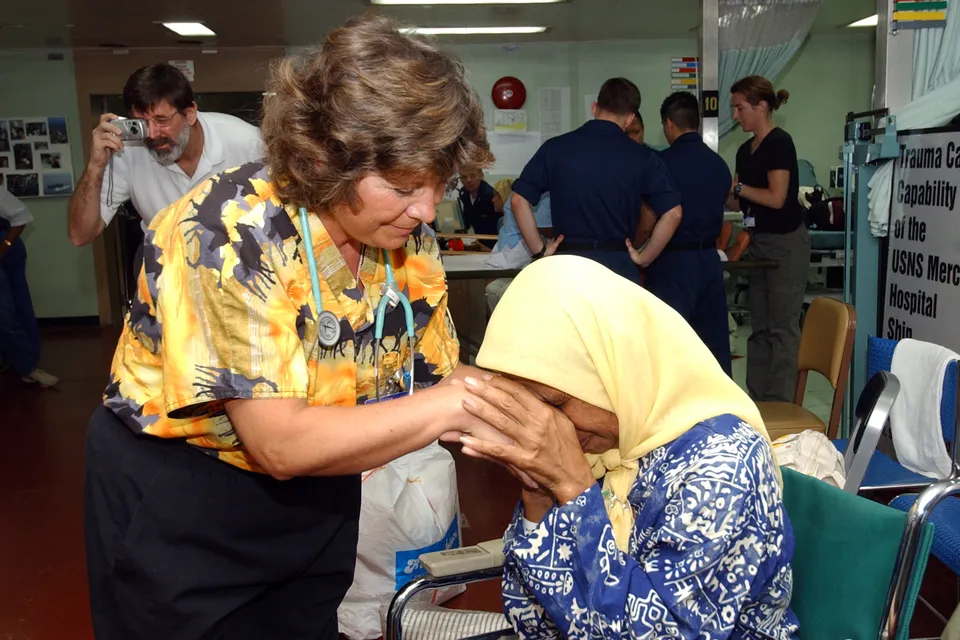
- Stay calm and don't rush to lift them.
- Check for injuries: pain, bleeding, head injury, inability to move a limb, confusion.
- Call 911 if they hit their head, can't get up, have severe pain, are bleeding heavily, seem confused or are on blood thinners.
- If unhurt, help them get up slowly using a sturdy chair, following safe steps.
- Watch them for the next 24 to 48 hours for new symptoms.
- Tell the doctor about every fall, even without injury.
- Find the cause and make changes to prevent the next fall.
General information, not medical advice. If there's any doubt about injury, call 911. Always tell your parent's doctor about a fall.
A fall is frightening for an older adult and for the family. Even a fall without obvious injury can be a warning sign of health problems, medication side effects or hazards at home, and many people who fall once fall again. Knowing what to do in the moment and in the days after can prevent further harm. This guide explains how to respond right after a fall, when to call 911, how to help someone up safely, what to watch for afterward and how to prevent the next fall.
What should you do right after a fall?
- Stay calm and reassure your parent.
- Don't pull them up immediately.
- Ask where it hurts and look for injuries.
- Check whether they hit their head.
- Notice confusion, slurred speech or unusual drowsiness.
- Keep them warm and comfortable while you assess.
When should you call 911?
| Sign | Action |
|---|---|
| Head injury, especially on blood thinners | Call 911 |
| Can't get up or move a limb | Call 911; don't move them |
| Severe pain, possible fracture (hip, wrist, back) | Call 911 |
| Heavy bleeding | Call 911; apply pressure |
| Confusion, fainting, chest pain, trouble breathing | Call 911 |
| Unsure | Call 911 or the doctor's line |
How do you help someone get up safely?
Only if they're not injured and feel ready:
- Have them roll onto their side, then onto hands and knees.
- Bring a sturdy chair close.
- They place hands on the chair seat and bring one foot forward.
- They push up slowly with arms and legs, then turn and sit.
- Rest before standing fully.
Help steady them, but don't lift with your back. The National Institute on Aging describes how to get up after a fall. See how to get up after a fall.
What should you watch for afterward?
- Headache, vomiting, drowsiness or confusion (possible head injury).
- New pain or swelling, especially in hips, wrists or back.
- Difficulty walking or bearing weight.
- Bruising that spreads.
- Changes in behavior or memory.
Seek medical care if any appear. Watch closely for 24 to 48 hours.
Why tell the doctor about every fall?
Falls can signal problems like low blood pressure, medication side effects, vision changes, weakness or infections. The CDC reports that falling once doubles the chance of falling again. A doctor can review medications, check balance and refer to physical therapy. See medications that cause falls.
How do you find the cause?
- Where and when did it happen?
- Did they trip, slip, feel dizzy or lose balance?
- Were they rushing, carrying something or in the dark?
- Any new medications?
- What were they wearing on their feet?
How do you prevent the next fall?
- Fix hazards: rugs, cords, clutter, poor lighting.
- Add grab bars and night lights.
- Get a medication review.
- Start balance and strength exercises with a therapist.
- Check vision and footwear.
- Use the right mobility aid.
See fall prevention for seniors and home modifications.
Support for the road back to full strength
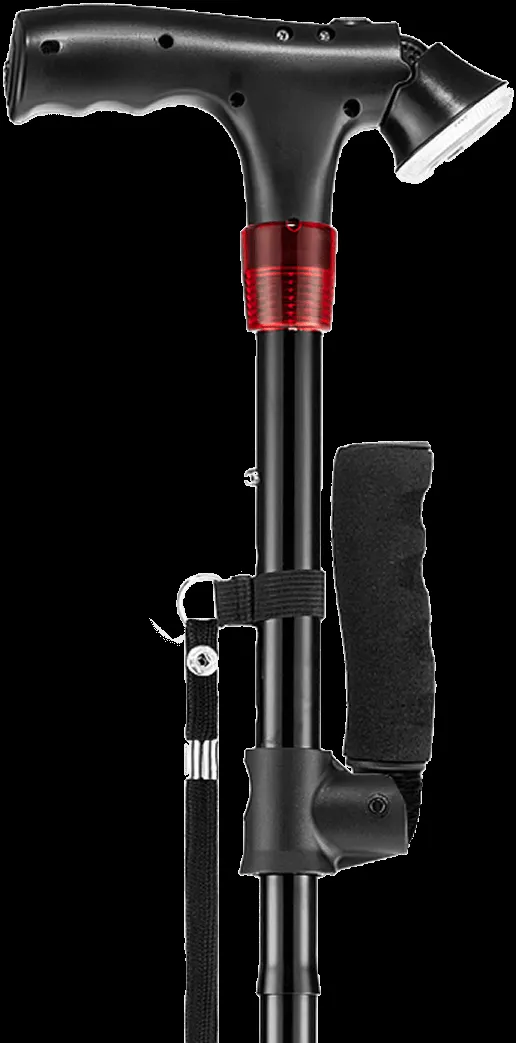
Ready Walker: stands on its own, second handle for getting up from bed and chairs, LED light for nighttime and a built-in alarm. $59.99 with a 30-day money-back guarantee.
Check today's price →$59.99 · ships from Ohio · 30-day guarantee
How can a mobility aid help after a fall?
If a doctor or therapist recommends a cane, one with a wider base and extra support can rebuild confidence. The Ready Walker has a pivoting four-point base that stands on its own, a second handle for standing up from chairs and bed, an LED light for nighttime and an alarm to get attention. Read our Ready Walker review.
What about fear of falling?
After a fall, many older adults become afraid and move less, which weakens muscles and raises fall risk. Gentle encouragement, physical therapy and safety changes help. See fear of falling.
Should your parent have a way to call for help?
Yes. A phone within reach, a medical alert system (some detect falls) and a loud personal alarm for getting attention nearby. See personal alarm vs medical alert.
How much does the Ready Walker cost?
The Ready Walker is $59.99, with a 30-day money-back guarantee and shipping from Ohio.
What if your parent falls when alone?
Teach your parent what to do: stay calm, check for injuries, call for help with a phone or alarm, and if unhurt, use the roll-and-chair method to get up. If they can't get up, they should try to keep warm and keep calling or signaling until help arrives. Practicing the steps with a therapist builds confidence.
Why is a "long lie" dangerous?
Staying on the floor for hours after a fall can lead to dehydration, pressure sores, hypothermia and muscle breakdown. That's why fast access to help matters so much for people living alone.
What happens at the emergency room?
Doctors may examine your parent, order X-rays or scans and check for causes like heart rhythm problems or infections. Bring a list of medications and recent health changes. Ask about a follow-up plan for fall prevention.
What are signs of a hip fracture?
Severe groin or hip pain, inability to bear weight, a leg that looks shorter or turned outward and swelling or bruising. Don't move the person; call 911.
How should family follow up?
- Schedule a doctor visit within a few days.
- Do a home safety check.
- Arrange physical therapy if recommended.
- Increase check-ins for a while.
- Talk openly about any fear or embarrassment.
See daily check-in ideas.
How does physical therapy help after a fall?
A physical therapist assesses strength, balance and walking, and creates an exercise program to reduce future falls. They can also check that mobility aids fit correctly and teach safe ways to get up from the floor. See balance exercises for seniors.
Should vision be checked?
Yes. Poor vision, outdated glasses and cataracts contribute to falls. Schedule an eye exam. See vision and falls in the elderly.
Does footwear matter?
Loose slippers, socks on hard floors and high heels increase fall risk. Supportive, non-slip shoes help. See non-slip shoes for seniors.
How do you talk about it without upsetting your parent?
Many older adults feel embarrassed or fear losing independence after a fall. Focus on staying independent, not on limits. Ask what they think caused it and what would help.
What should a home safety check include?
- Remove throw rugs and clutter.
- Add night lights from bed to bathroom.
- Install grab bars by the toilet and in the shower.
- Check handrails on all stairs.
- Move frequently used items to waist height.
- Repair loose flooring.
Should your parent practice getting up from the floor?
With a therapist, yes. Knowing how to get up safely reduces panic and helps avoid a long lie after a fall.
What's the takeaway?
Respond calmly, call 911 when in doubt, watch closely afterward and use every fall as a chance to prevent the next one.
Which medications raise fall risk?
Sleep aids, some blood pressure medications, sedatives, certain antidepressants and medications that cause dizziness can all increase risk, especially in combination. Ask the doctor or pharmacist for a review rather than stopping anything on your own.
Should bone health be checked?
Yes. Osteoporosis makes fractures more likely after a fall. Ask the doctor about a bone density test. See osteoporosis and falls.
Should you keep a fall log?
Yes. Write down the date, time, place, what happened and any injuries. A log helps the doctor spot patterns, such as falls at night, after meals or after new medications. It also helps you decide what home changes to make first.
What if your parent has dementia?
People with dementia may not remember or report falls. Look for unexplained bruises, new pain or changes in walking. Supervision, a safe home layout and monitored alert systems may be needed.
Can pets cause falls?
Yes. Pets underfoot and tripping on leashes or bowls are common causes. Use a bell on the pet's collar and keep bowls out of walkways.
How do you rebuild confidence after a fall?
Start with short, supported walks, practice with a therapist and celebrate progress. Many people regain confidence within weeks when they feel steady and safe.
Can a personal alarm help after a fall?
If someone is nearby, a loud alarm can bring help quickly. It doesn't call 911, so pair it with a phone or medical alert.
The bottom line
After a fall, stay calm, check for injuries and call 911 when in doubt. Help them up only if unhurt, watch closely for a day or two, tell the doctor and fix the cause to prevent the next fall.
For extra support during recovery, our pick is the Ready Walker. Check today's Ready Walker price.
Sources
- Centers for Disease Control and Prevention. Older Adult Falls Data.
- National Institute on Aging. Falls and Fractures in Older Adults.
- Official Ready Walker product page, checked October 2026.
Frequently asked questions
What should I do if my elderly parent falls?
Stay calm, check for injuries and call 911 if there's any doubt.
When should I call 911 after a fall?
For head injuries, inability to get up, severe pain, heavy bleeding or confusion.
How do I help an elderly person get up from a fall?
Only if unhurt: roll to hands and knees, use a sturdy chair and rise slowly.
What should I watch for after a fall?
Headache, confusion, new pain, swelling or trouble walking over the next day or two.
Should I tell the doctor about a fall without injury?
Yes, falls can signal health or medication issues.
How do I prevent another fall?
Fix home hazards, review medications, check vision and start balance exercises.

Laura Bennett
Laura Bennett is the pen name of the Aging Parents at Home editorial team at Iqueda Media LLC. We write for adult children who want to help their aging parents stay safe and independent at home. The team researches daily-living and safety products, reads the official guidance from public health and safety organizations, and checks prices, policies and buyer feedback. We are not doctors, nurses or physical therapists. Her guides are built on official public health and safety guidance, manufacturer information, checkout and return policies, and buyer feedback, and are updated when offers change. More about Laura.