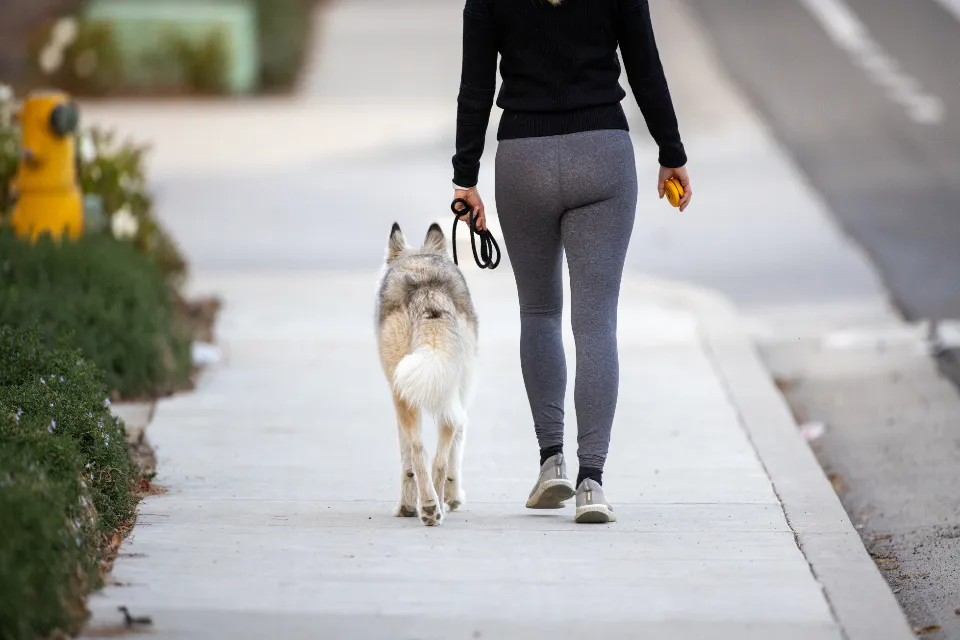
- Match the dog to the walker: strong pullers are a top cause of falls for older owners.
- Use a short, fixed leash (4 to 6 feet) and a no-pull harness. Avoid retractable leashes.
- Never wrap the leash around the wrist; hold it in a way that can be let go if the dog lunges.
- Wear non-slip shoes, and add ice grips in winter.
- Walk in daylight on familiar, even routes.
- Carry a phone, and consider a loud personal alarm to draw attention if needed.
- Ask a neighbor or dog walker to help on icy or bad days.
For many older adults, a dog is a best friend, a reason to get up in the morning and a built-in exercise plan. Daily walks keep muscles strong, help balance, lift mood and connect people with neighbors. But walking a dog also carries real risks. A sudden pull toward a squirrel, a leash tangled around the legs, an icy sidewalk or an uneven curb can lead to a fall, and falls in older adults can mean broken wrists and hips. The goal isn't to stop the walks, but to make them safer. This guide explains the common risks, how to choose the right leash and harness, training that helps, safe routes and timing, winter walking, what to carry and when to get help.
In this guide:
- why dog walking can lead to falls
- leashes, harnesses and how to hold them
- training and dog choice
- routes, timing and weather
- what to carry
- when to get help
General information for families, not medical advice. If your parent has balance problems, dizziness or has fallen before, talk to their doctor or a physical therapist about safe walking. Call 911 for any serious fall or injury.
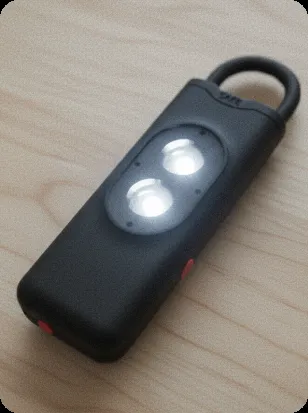
Our pick: the HaloSiren Personal Safety Alarm
Keychain alarm with a 130 dB siren and flashing LED light. Pull the pin and people nearby hear it. Rechargeable, no app, no monthly fee.
Check today's price →$29.99, or 5 for $89.97 · 90-day guarantee
Why can walking the dog lead to falls?
- Sudden pulling toward other dogs, cats, squirrels or cars
- Leash tangles around the legs or a walking aid
- Tripping over the dog, especially small dogs that weave underfoot
- Ice, wet leaves and uneven sidewalks
- Bending to pick up waste, which can cause dizziness
- Walking in the dark with poor visibility
Falls are a major cause of injury in older adults. According to the CDC, more than one in four older adults falls each year. See fall prevention for seniors.
Which leash and harness are safest?
| Equipment | Why |
|---|---|
| Fixed 4–6 ft leash | Predictable length, easier control |
| Padded handle or traffic handle | Better grip for arthritic hands |
| Front-clip no-pull harness | Reduces pulling force |
| Head halter (with training) | Gives control of strong dogs |
| Retractable leash | Avoid: sudden jerks, cord burns and tangles |
| Hands-free waist leash | Risky for walkers with poor balance; a pull can knock them over |
How should the leash be held?
- hold the handle in one hand, with a loose loop of leash in the other
- never wrap it around the wrist or hand; a sudden pull can cause a fall or fracture
- keep elbows slightly bent and close to the body
- if the dog lunges strongly, it's safer to let go than to be pulled down
- if using a cane, hold the cane in the hand opposite the leash; see how to use a cane
A loud alarm on the leash or keychain
HaloSiren is a 130 dB keychain siren with a light, easy to clip to a leash or keys. It doesn't call 911 or detect falls, but it draws attention nearby. $29.99, or 5 for $89.97.
Check today's price →$29.99, or 5 for $89.97 · 90-day guarantee
Does the type of dog matter?
Yes. Large, young or untrained dogs can pull with a lot of force. Very small dogs can trip people. If your parent is choosing a new dog, an older, calm, well-trained dog of moderate size is often the best match. Many shelters can help match older adults with calm adult dogs. If the current dog pulls hard, training is a must.
What training makes walks safer?
- Loose-leash walking: the dog walks beside, not ahead
- "Wait" at doors and curbs
- "Leave it" for squirrels, food and other dogs
- Sit before greeting people
- Staying on one side, so the dog doesn't weave
A few sessions with a positive-reinforcement trainer can make a big difference. Family members can practice with the dog too.
How do you choose safe routes and times?
- walk in daylight, avoiding dusk and dark when possible
- choose even sidewalks, park paths or quiet streets
- avoid busy dog parks and areas with off-leash dogs
- pick routes with benches for rest
- stay on familiar routes and tell someone the plan
- shorter, more frequent walks are easier than long ones
More in walking safety for seniors.
How do you stay safe in winter?
- wear boots with good tread and add ice grips
- take small steps and walk flat-footed on ice ("walk like a penguin")
- use a cane with an ice tip; see cane ice tips
- keep walks short on icy days; use the backyard instead
- ask a neighbor or dog walker to help after storms
See how to walk on ice safely and winter safety for seniors.
How do you pick up after the dog safely?
Bending to the ground can cause dizziness or loss of balance. A long-handled pooper scooper avoids bending. If bending, hold something stable, bend the knees rather than the back and stand up slowly. See dizziness when standing up.
What should your parent carry?
- a charged phone with emergency contacts
- an ID card with medical information
- a small flashlight or reflective vest for low light
- waste bags and a scooper
- water for longer walks
- a loud personal alarm to draw attention
A personal alarm is not a medical alert system: it won't call anyone. Consider a medical alert device if your parent walks alone and has fallen before. See personal alarm vs medical alert.
What about loose or aggressive dogs?
An off-leash dog running up can startle both walker and dog. Your parent can turn and walk calmly away, keep their own dog close and avoid getting between the dogs. A loud alarm may startle an approaching dog and draw attention from people nearby. Avoid areas known for loose dogs.
When should someone else walk the dog?
- after a fall or surgery, or when using a new walking aid
- on icy, stormy or very hot days
- if the dog pulls too hard despite training
- if your parent feels dizzy or unsteady
Dog walkers, neighbors, teens in the area or family members can share walks. A fenced yard can also cover bad-weather days.
Where does HaloSiren fit in?
HaloSiren is a keychain personal alarm with a 130 dB siren and a light. It clips to keys or a leash handle, and pulling the pin sets it off to draw attention nearby. It doesn't call 911, detect falls or replace a medical alert system, but it's a simple, affordable extra for walks. It's $29.99 for one, 3 for $59.99 or 5 for $89.97. Read our HaloSiren review and personal safety alarms for seniors.
Why are dog walks worth keeping?
Regular walking is one of the best things older adults can do for their health. It strengthens legs, supports balance, helps the heart and lifts mood. A dog adds a reason to walk every day, even on days when motivation is low, and it brings social contact with neighbors and other dog owners. The National Institute on Aging explains how endurance, strength and balance exercise improve health and physical ability. That's why the goal is safer walks, not fewer walks. If balance is a concern, a physical therapist can suggest exercises; see balance exercises for seniors.
Can someone walk a dog while using a cane?
Yes, with care. Hold the cane in the hand opposite the weaker leg, as usual, and the leash in the other hand. Keep the dog on the side away from the cane, so the leash doesn't tangle around it. A short leash and a calm, trained dog are essential. If the dog is strong, consider having someone else walk it, or walk together with a family member holding the leash. See how to help an elderly parent walk.
Which shoes are best for dog walks?
- closed shoes with a firm, non-slip sole
- a low, wide heel
- secure fastening, such as laces or hook-and-loop straps
- waterproof boots with good tread in winter
- removable ice grips for icy days
Avoid slippers, slip-on shoes and worn soles. More in non-slip shoes for seniors.
What about evening walks?
In winter it gets dark early, and many falls happen at dusk. If evening walks are unavoidable, wear a reflective vest, put a light-up collar on the dog and carry a small flashlight. Stick to well-lit streets and keep the walk short. A family member or neighbor can sometimes take the evening walk instead.
Can a vet or trainer help?
Yes. A vet can check whether pulling or lunging comes from pain, anxiety or poor eyesight in an older dog, and suggest the right harness. A trainer can teach both your parent and the dog simple cues in a few sessions. Many trainers offer home visits, which is easier for older owners.
The bottom line
Elderly safety when walking the dog:
- use a short fixed leash and a no-pull harness; avoid retractable leashes
- never wrap the leash around the wrist
- train the dog for loose-leash walking and "leave it"
- walk in daylight on familiar, even routes with non-slip shoes
- carry a phone and a loud alarm, and get help on icy days
HaloSiren is a 130 dB keychain siren with a light, $29.99 or 5 for $89.97.
Our pick: the HaloSiren Personal Safety Alarm
Keychain alarm with a 130 dB siren and flashing LED light. Pull the pin and people nearby hear it. Rechargeable, no app, no monthly fee.
Check today's price →$29.99, or 5 for $89.97 · 90-day guarantee
Frequently asked questions
Is walking a dog good for older adults?
Yes. Daily walks support strength, balance and mood. The key is making them safer with the right leash, dog training and routes.
What is the safest leash for a senior?
A fixed 4 to 6 foot leash with a padded handle, paired with a front-clip no-pull harness. Avoid retractable leashes.
Should seniors wrap the leash around their wrist?
No. A sudden pull can cause a fall or wrist fracture. Hold the handle so it can be let go if needed.
How can seniors walk a dog safely in winter?
Wear boots with good tread and ice grips, take small steps, keep walks short and get help on icy days.
What should a senior carry on dog walks?
A charged phone, ID, a light or reflective vest, waste bags and a loud personal alarm.
Does a personal alarm call 911?
No. A personal alarm makes a loud sound to draw attention nearby. A medical alert system is needed to call for help.

Laura Bennett
Laura Bennett is the pen name of the Aging Parents at Home editorial team at Iqueda Media LLC. We write for adult children who want to help their aging parents stay safe and independent at home. The team researches daily-living and safety products, reads the official guidance from public health and safety organizations, and checks prices, policies and buyer feedback. We are not doctors, nurses or physical therapists. Her guides are built on official public health and safety guidance, manufacturer information, checkout and return policies, and buyer feedback, and are updated when offers change. More about Laura.