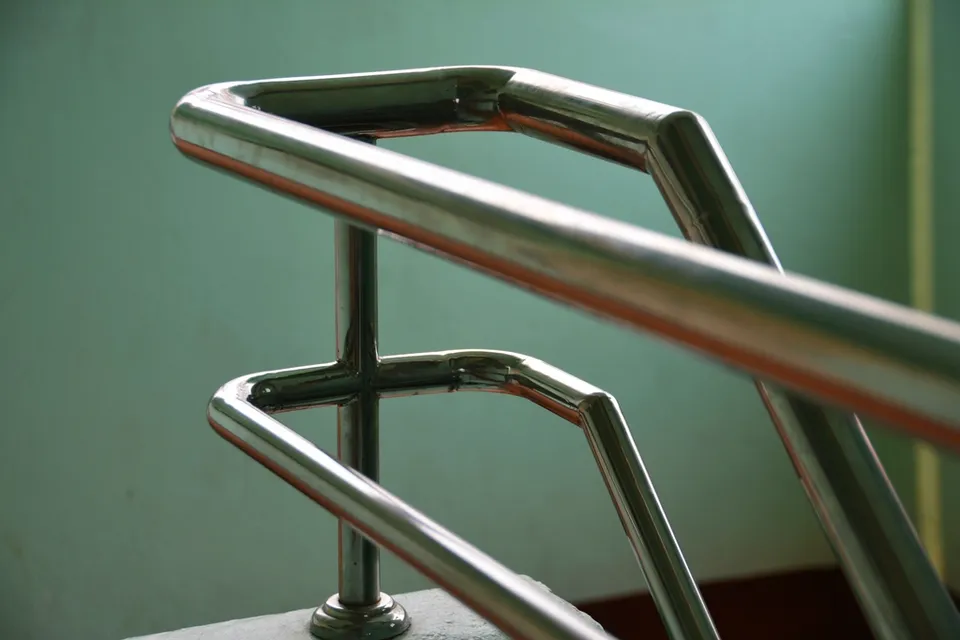
- Tub or shower entry: a vertical bar on the wall at the entry, starting about 32 to 38 inches above the floor, to hold while stepping in and out.
- Inside the tub or shower: a horizontal bar on the back or long wall, about 33 to 36 inches above the floor (or the tub bottom).
- Near the shower seat: a bar within easy reach of the seat to help sit down and stand up.
- By the toilet: a horizontal bar on the side wall, about 33 to 36 inches high, plus a bar behind if there's room.
- Mount into studs or with anchors rated for grab bars. Never rely on suction cups or towel racks.
General information for families, not medical or professional installation advice. An occupational therapist can recommend placement for your parent's needs, and a qualified installer should mount grab bars securely. Heights below are common guidelines for adults; your parent's height and abilities matter most.
Grab bars are one of the simplest, most effective safety upgrades for an aging parent's home. They give a solid handhold in the places where people lose their balance most often: stepping over the tub edge, turning in the shower, sitting down on the toilet and standing up again. But a grab bar only helps if it's in the right spot, at the right height and strong enough to hold real weight. A bar that's too high, too far away or attached to drywall can be worse than none at all. This guide explains where to place grab bars in the shower, tub and toilet area, how high to mount them, which styles and sizes to choose, how to install them safely and other places in the home where a bar can help.
In this guide:
- where grab bars help most
- tub and shower placement
- toilet placement
- heights, sizes and finishes
- safe installation
- other places in the home
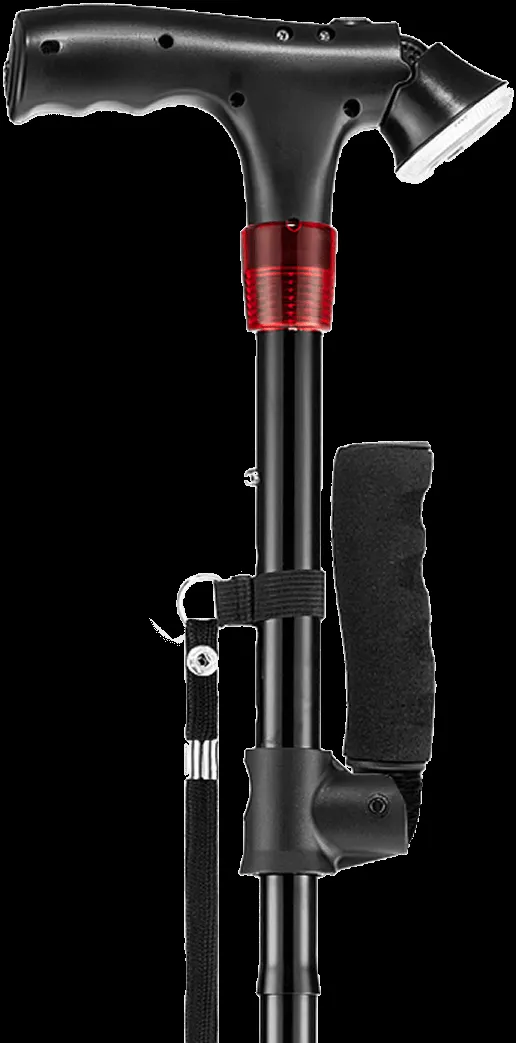
Our pick: the Ready Walker Cane
Self-standing folding cane with a 4-point pivoting base, a second handle for standing up, LED light and alarm. Supports up to 300 lb.
Check today's price →$59.99 · ships from Ohio · 30-day guarantee
Why do grab bars matter so much?
Bathrooms combine wet, hard surfaces with movements that challenge balance: lifting one leg over a tub, turning around in a tight space, bending to sit and pushing up to stand. Falls are a leading cause of injury in older adults, and the National Institute on Aging recommends grab bars in the tub, shower and near the toilet as part of making a home safer. See its guide to falls and fractures in older adults.
Towel racks, soap dishes and shower doors are not designed to hold a person's weight. In a slip, people grab whatever is closest, so a properly mounted bar in that spot can prevent a serious fall.
Where should grab bars go in a tub or shower?
| Location | Bar direction | Common height | Purpose |
|---|---|---|---|
| Entry wall of the tub or shower | Vertical | Starting about 32 to 38 inches from the floor | Hold while stepping in and out |
| Back (long) wall of the tub | Horizontal | About 33 to 36 inches above the tub bottom | Support while standing, washing and turning |
| Control wall (faucet end) | Horizontal or vertical | About 33 to 36 inches | Steady hand while adjusting water |
| Near the shower seat | Horizontal or vertical | Within easy reach while seated | Sit down and stand up safely |
| Low bar along the tub | Horizontal | About 8 to 10 inches above the tub rim | Pull up from sitting in the tub |
Many families start with two bars: a vertical bar at the entry and a horizontal bar on the long wall. More bathroom changes are covered in bathroom safety for seniors and how to help an elderly parent shower safely.
Where should grab bars go by the toilet?
- Side wall: a horizontal bar about 33 to 36 inches above the floor, starting a little behind the toilet and extending forward past the front edge of the seat.
- Behind the toilet: a horizontal bar on the back wall if there's space above the tank.
- Vertical bar: some people find a vertical bar on the side wall in front of the toilet helpful for pulling up.
- No side wall? A toilet safety frame or a floor-mounted grab bar can help instead.
Getting up from a low seat is hard for many older adults. See how to stand up from a chair safely.
How do you choose the right height for your parent?
Guidelines are a starting point. The best height is where your parent can grip the bar comfortably with a slightly bent elbow while standing, and reach it easily while sitting where relevant. A simple test:
- Have your parent stand where they would use the bar, wearing their usual shoes or bare feet in the shower.
- Ask them to reach for the wall as if steadying themselves.
- Mark the height where their hand lands naturally.
- Check that the spot works while sitting, too, if it's near a seat or toilet.
An occupational therapist can do a home safety visit and recommend exact positions. See occupational therapy for seniors.
Our pick: the Ready Walker Cane
Self-standing folding cane with a 4-point pivoting base, a second handle for standing up, LED light and alarm. Supports up to 300 lb.
Check today's price →$59.99 · ships from Ohio · 30-day guarantee
Which grab bar size and style should you choose?
- Diameter: about 1.25 to 1.5 inches is easy for most hands to grip. Smaller hands or arthritis may prefer the smaller size.
- Length: 12 to 18 inches for vertical bars at entries, 24 to 42 inches for horizontal bars on long walls.
- Finish: textured or knurled grips are less slippery when wet.
- Clearance: about 1.5 inches between the bar and the wall, so fingers fit but an arm can't slip through.
- Color: a bar that contrasts with the wall is easier to see, especially with low vision.
- Style: straight, angled and L-shaped bars cover different needs. Fold-down bars work beside toilets with no side wall.
How should grab bars be installed?
- Into wall studs whenever possible, with stainless steel screws.
- With grab bar anchors rated for the purpose where studs aren't available.
- With blocking (wood added behind the wall) during a remodel.
- Sealed around screw holes in tile to keep water out.
- Tested by pulling firmly in every direction after installation.
Avoid suction-cup bars for weight-bearing support. They can release without warning. They're only suitable as a light balance aid, if at all. If you're not experienced with tile and wall anchors, hire a qualified installer or handyman.
Where else in the home do grab bars help?
- Entry steps to the house or garage.
- Next to the bed, or a bed rail, for getting up at night.
- Hallways leading to the bathroom.
- Stairs, as a second handrail on the opposite side. See stair safety for seniors.
- Laundry areas where your parent bends to load the machine.
Home changes room by room: home modifications for elderly parents.
How do you make bathroom trips safer at night?
Grab bars help inside the bathroom, but many falls happen on the way there. Add motion-sensor night lights, clear the path of rugs and cords and keep a sturdy cane or walker within reach of the bed. A cane with a built-in light helps your parent see the floor without fumbling for a switch. See preventing falls at night.
How much do grab bars cost?
| Item | Typical cost |
|---|---|
| Basic stainless steel grab bar | About $15 to $40 |
| Textured or designer grab bar | About $40 to $120 |
| Professional installation | Often $100 to $250 per bar, depending on the wall |
Some local programs help older adults with home safety repairs. Your Area Agency on Aging can tell you what's available; find yours through the Eldercare Locator.
What grab bar mistakes should you avoid?
- mounting into drywall without proper anchors
- using towel racks or suction cups as support
- placing bars too high or too far to reach
- only installing one bar where two are needed
- choosing a smooth, slippery finish for the shower
- skipping the bar by the toilet
What if your parent rents their home?
Ask the landlord for permission before drilling into walls or tile. Many landlords agree to grab bars as a reasonable safety change, especially if you offer to have them professionally installed. A clamp-on tub rail or a freestanding toilet safety frame are options that don't require drilling. Keep receipts and photos in case you need to restore the walls later.
How often should you check grab bars?
Every few months, pull firmly on each bar in several directions and look for loose screws, cracked tile or caulk gaps around the mounts. Tighten or reinstall any bar that moves at all.
Can a grab bar double as a towel bar?
Yes, a properly mounted grab bar can hold towels, which is a neat way to add one without making the bathroom look clinical. Just make sure towels never block the grip in the spot where your parent steadies themselves, especially at the tub entry.
The bottom line
Grab bar placement, in short:
- a vertical bar at the tub or shower entry and a horizontal bar on the long wall
- a bar near the shower seat and beside the toilet
- common heights of about 33 to 36 inches, adjusted to your parent
- 1.25 to 1.5-inch diameter with a textured grip
- mounted into studs or rated anchors, never suction cups
For safe steps to and from the bathroom, the Ready Walker cane stands on its own, has a second handle for pushing up and an LED light, $59.99 with a 30-day guarantee.
Our pick: the Ready Walker Cane
Self-standing folding cane with a 4-point pivoting base, a second handle for standing up, LED light and alarm. Supports up to 300 lb.
Check today's price →$59.99 · ships from Ohio · 30-day guarantee
Frequently asked questions
Where should grab bars be placed in a shower?
A vertical bar at the entry to hold while stepping in, a horizontal bar on the long wall and a bar within reach of the shower seat.
How high should a grab bar be?
Many horizontal bars are mounted about 33 to 36 inches above the floor or tub bottom, adjusted to your parent's height and reach.
Where should a grab bar go by the toilet?
A horizontal bar on the side wall about 33 to 36 inches high, plus a bar behind the toilet if there's space.
Are suction cup grab bars safe?
They shouldn't be relied on for weight-bearing support, because they can release without warning. Use bars mounted into studs or rated anchors.
What size grab bar is best?
A diameter of about 1.25 to 1.5 inches with a textured grip suits most hands, with about 1.5 inches of clearance from the wall.
Who can install grab bars?
A qualified installer or handyman familiar with tile and wall anchors. An occupational therapist can advise on placement.

Laura Bennett
Laura Bennett is the pen name of the Aging Parents at Home editorial team at Iqueda Media LLC. We write for adult children who want to help their aging parents stay safe and independent at home. The team researches daily-living and safety products, reads the official guidance from public health and safety organizations, and checks prices, policies and buyer feedback. We are not doctors, nurses or physical therapists. Her guides are built on official public health and safety guidance, manufacturer information, checkout and return policies, and buyer feedback, and are updated when offers change. More about Laura.