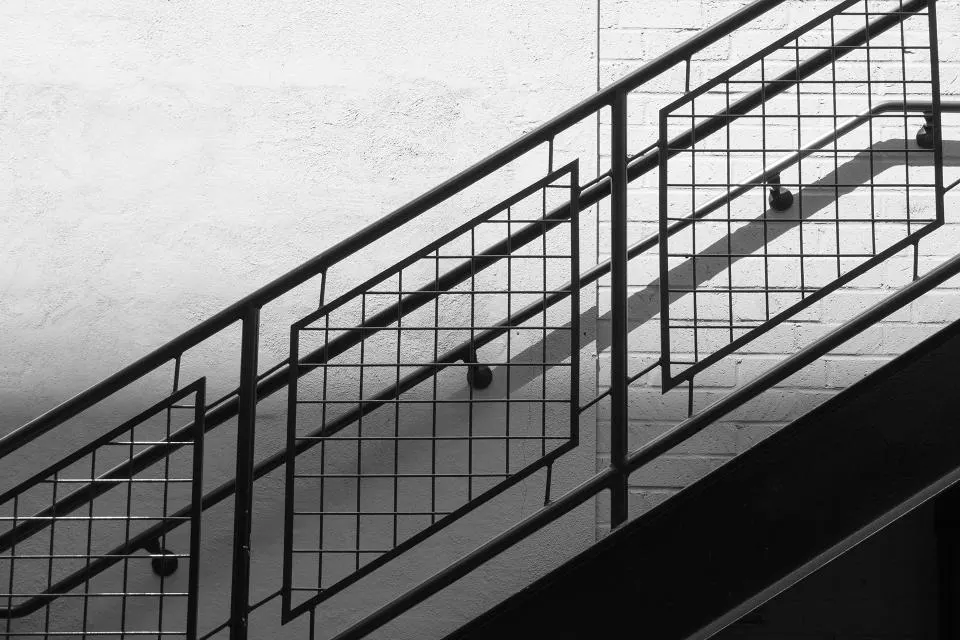
- Install sturdy handrails on both sides, running the full length.
- Add bright lighting with switches at the top and bottom.
- Make each step edge visible with contrasting tape.
- Fix loose carpet and keep stairs clear of clutter.
- Wear supportive shoes, never socks alone.
General information, not medical advice. A physical or occupational therapist can teach safe stair techniques and assess your parent's home.
Stairs are where many serious household falls happen. A slip on the stairs means falling farther and onto hard edges, and a missed step at night or while carrying laundry can change a life in a second. Yet for many older adults, the bedroom or bathroom is upstairs, or the laundry and pantry are in the basement, so stairs are part of every day.
This guide covers how to make stairs safer, how to climb and descend them correctly with or without a cane, what to avoid, and what options exist when stairs become too hard.
Why are stairs so risky for older adults?
Climbing stairs takes leg strength, balance, good vision, coordination and attention, all at once. With age, each of these can decline a little, and the margin for error shrinks. Common contributors to stair falls include:
- Weak leg muscles and reduced balance.
- Changes in vision, especially depth perception and seeing edges in low light.
- Bifocals or progressive lenses, which can blur the steps when looking down.
- Medications that cause dizziness or drowsiness.
- Carrying things that block the view or take away a hand.
- Rushing, for example to answer the door or the phone.
- Poor lighting, worn carpet, loose runners and clutter on steps.
The CDC reports that more than one in four older adults falls each year, and falls are a leading cause of injury in this age group.
What makes a good stair handrail?
- Both sides: so your parent always has a rail on their stronger side, going up and down.
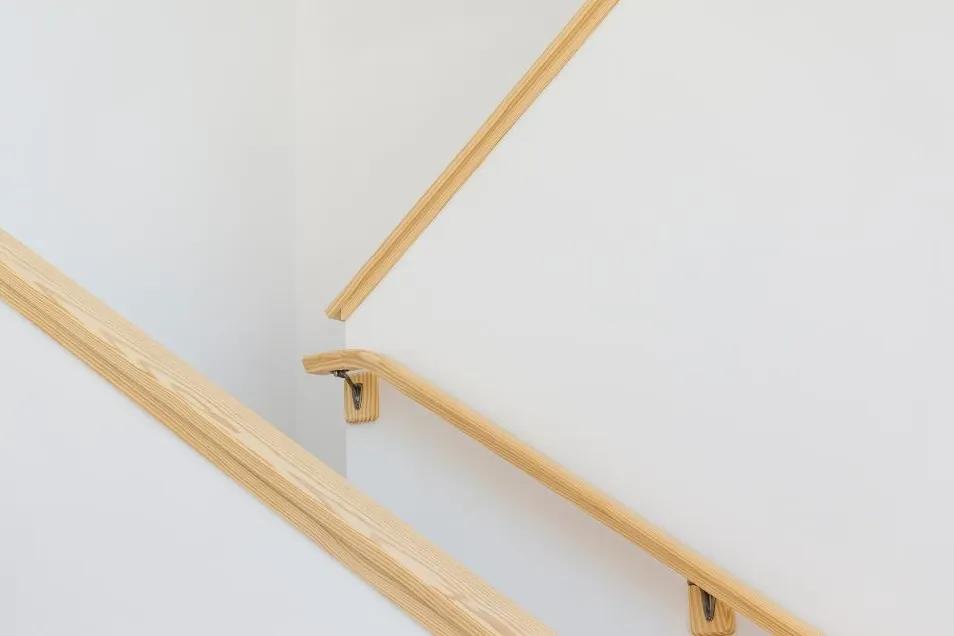
- Full length: from the very first step to the very last, extending a little beyond the top and bottom if possible.
- Easy to grip: round or oval, about the size of a broom handle, so the hand can wrap around it.
- Solid: anchored into the wall studs or posts, with no wobble.
- Right height: typically around 34 to 38 inches above the step edge, comfortable for your parent's arm.
- Outdoor steps too: porch and garden steps need rails as much as indoor stairs.
Adding a second handrail is one of the most valuable home changes you can make. A handyman can usually do it in a few hours. If your parent rents, ask the landlord; many will allow or install rails, and some local programs for older adults help with the cost. Check the rails every few months by pulling on them firmly, and tighten any brackets that have loosened.
How should stairs be lit?
- Bright, even overhead lighting that doesn't create glare or shadows on the steps.
- Light switches at both the top and bottom, so no one walks the stairs in the dark.
- Motion-sensor lights or night lights for nighttime trips.
- LED strip or step lights for extra visibility.
- Lighting on outdoor steps and the path to the door.
How do you make the steps themselves safer?
- Mark the edges: contrasting, non-slip tape on the front edge of each step helps eyes judge where one step ends.
- Secure carpet: fix loose or worn carpet and remove runners that slide.
- Non-slip treads on wood or tile stairs.
- Keep stairs completely clear: no shoes, books or laundry "waiting to go up."
- Repair broken or uneven steps right away.
- Avoid busy patterns on stair carpet, which make edges harder to see.
What is the safest way to go up and down stairs?
Physical therapists teach a simple rule: "up with the good, down with the bad."
- Going up: hold the rail, step up with the stronger leg first, then bring the weaker leg up to the same step.
- Going down: hold the rail, step down with the weaker leg first, then bring the stronger leg down to the same step.
- Take one step at a time, both feet on each step if needed.
- Place the whole foot on each step, not just the toes or heel.
- Look at the steps, and take reading glasses off before walking stairs.
- Don't rush. Let the phone or doorbell wait; callers will try again, and visitors can wait a minute.
- Pause on the landing if you feel tired or dizzy, holding the rail.
How do you use stairs with a cane?
According to AAOS OrthoInfo, when using a cane on stairs, hold the handrail with one hand and the cane in the other. Going up, step with the stronger leg first, then the cane and weaker leg. Going down, put the cane on the step below first, then the weaker leg, then the stronger leg. If there's only one rail, a therapist can show your parent how to manage safely.
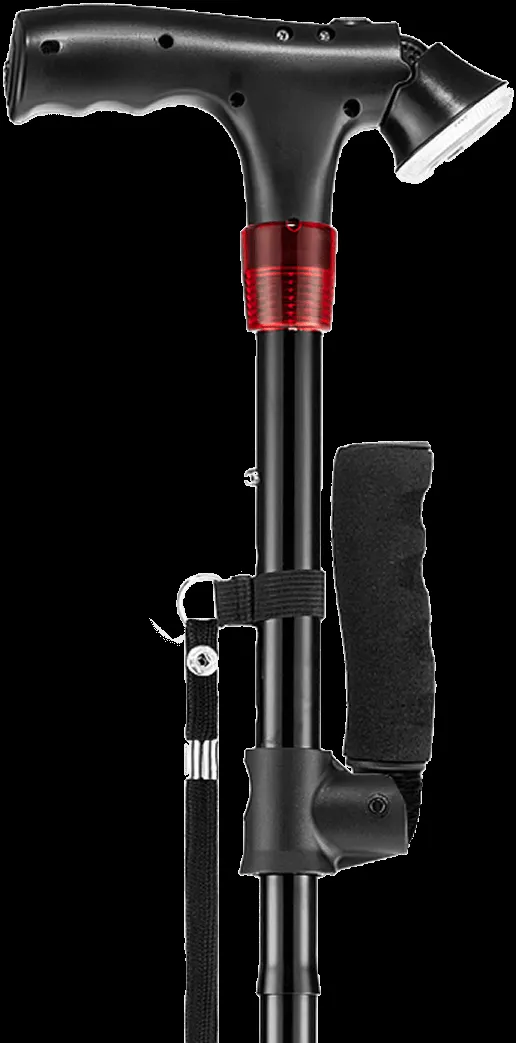
Walkers aren't used on stairs, so families often keep a second walking aid on each floor. A cane that stands on its own at the top or bottom of the stairs is easy to grab before and after climbing. The Ready Walker's pivoting four-point base keeps it upright, and its built-in LED light helps on dim landings, according to the brand. Read our Ready Walker review and our guide on how to use a cane correctly.
Support at the top and bottom of the stairs
Ready Walker stands on its own where you leave it, has a built-in LED light, a second handle for standing up and an alarm. $59.99 with a 30-day money-back guarantee.
Check today's price →$59.99 · ships from Ohio · 30-day guarantee
What about carrying things on the stairs?
Carrying laundry, groceries or a cup of coffee on the stairs takes away a hand and can block the view of the steps. Safer options:
- Keep a basket at the top and bottom, and only move small, light loads.
- Use a bag with a shoulder strap so both hands stay free.
- Ask family to carry heavy items during visits.
- Move the laundry to the main floor if possible.
- Keep duplicates of everyday items on each floor: glasses, phone charger, tissues.
How do you make nighttime stairs safer?
Nighttime is risky: low light, drowsiness and sometimes urgency. If the bathroom is on another floor, consider a bedside commode or moving the bedroom. Otherwise, use motion-sensor lights on the stairs and landings, keep a walking aid by the bed, sit on the edge of the bed for a moment before standing, and never use the stairs in socks. See our guide to preventing falls at night.
How do you make outdoor steps safer?
- Install rails on porch, deck and garden steps.
- Add outdoor lighting with a motion sensor.
- Paint step edges a contrasting color or use outdoor non-slip tape.
- Keep steps clear of leaves, ice and snow; arrange help in winter.
- Repair cracks and uneven pavers, and trim plants that hang over the path.
- Consider a ramp if steps become too difficult.
What if stairs are getting too hard?
Signs that stairs are becoming unsafe include gripping the rail with both hands, stopping to rest midway, going one step at a time and avoiding a floor completely. Options include:
- Physical therapy to build leg strength and practice technique.
- Moving daily living to the main floor: bedroom, bathroom and laundry.
- A stair lift for homes where living on one floor isn't possible.
- A bedside commode for nighttime if the bathroom is upstairs.
- Planning ahead for a home with fewer stairs, if a move is ever considered.
Can exercise make stairs easier?
Yes. Leg strength and balance make a big difference on stairs. Sit-to-stands from a chair, heel raises at the counter and step-ups on the bottom stair while holding the rail (with a therapist's OK) build the muscles used on stairs. See our guide to balance exercises for seniors.
How does vision affect stair safety?
Many stair falls start with a misjudged edge. Yearly eye exams, updated glasses and good lighting help. Bifocals and progressive lenses can blur the steps when looking down, so ask the eye doctor about single-vision distance glasses for walking, especially on stairs and outdoors. Cataracts, glaucoma and macular degeneration all affect depth perception and contrast, so step-edge marking matters even more for parents with these conditions.
What does a quick stair safety checklist look like?
| Check | Fix |
|---|---|
| Rails on both sides, full length? | Add a second rail; extend existing ones |
| Switches at top and bottom? | Add a switch or motion-sensor lights |
| Step edges easy to see? | Contrasting non-slip tape |
| Carpet secure, steps clear? | Fix carpet; remove all clutter |
| Walking aid on each floor? | Keep a self-standing cane at the top and bottom |
| Outdoor steps safe? | Rails, lighting, winter help |
The bottom line
Safer stairs come from sturdy handrails on both sides, bright lighting with switches at both ends, visible step edges, secure surfaces and clear steps, plus good habits: "up with the good, down with the bad," one step at a time, no rushing and nothing in the hands. When stairs become too hard, move daily life to the main floor or consider a stair lift.
A walking aid that stands ready at the top and bottom of the stairs helps too. Our pick is the Ready Walker. Check today's Ready Walker price, and see our fall prevention guide for the rest of the home.
Sources
- Centers for Disease Control and Prevention. Older Adult Falls: Facts and Stats.
- American Academy of Orthopaedic Surgeons (OrthoInfo). How to Use Crutches, Canes, and Walkers.
- Official Ready Walker product page, checked October 2026.
Frequently asked questions
How can I make stairs safer for elderly parents?
Install sturdy handrails on both sides for the full length, add bright lighting with switches at top and bottom, mark step edges with contrasting tape, secure carpet and keep the stairs clear.
What is the safest way for seniors to go down stairs?
Hold the handrail, step down with the weaker leg first, then bring the stronger leg to the same step. Go one step at a time, look at the steps and don't rush.
How do you use a cane on stairs?
Hold the rail with one hand and the cane in the other. Going up, lead with the stronger leg, then the cane and weaker leg. Going down, place the cane first, then the weaker leg, then the stronger leg.
Should stairs have railings on both sides?
Yes, for older adults it's strongly recommended, so there's always a rail on the stronger side going both up and down.
What can I do if my parent can't manage stairs anymore?
Consider physical therapy, moving the bedroom and bathroom to the main floor, a stair lift or a bedside commode for nighttime.
Why do older people fall on stairs?
Weak legs, balance changes, vision problems, bifocals, medications, carrying things, rushing, poor lighting and loose carpet all contribute.

Laura Bennett
Laura Bennett is the pen name of the Aging Parents at Home editorial team at Iqueda Media LLC. We write for adult children who want to help their aging parents stay safe and independent at home. The team researches daily-living and safety products, reads the official guidance from public health and safety organizations, and checks prices, policies and buyer feedback. We are not doctors, nurses or physical therapists. Her guides are built on official public health and safety guidance, manufacturer information, checkout and return policies, and buyer feedback, and are updated when offers change. More about Laura.