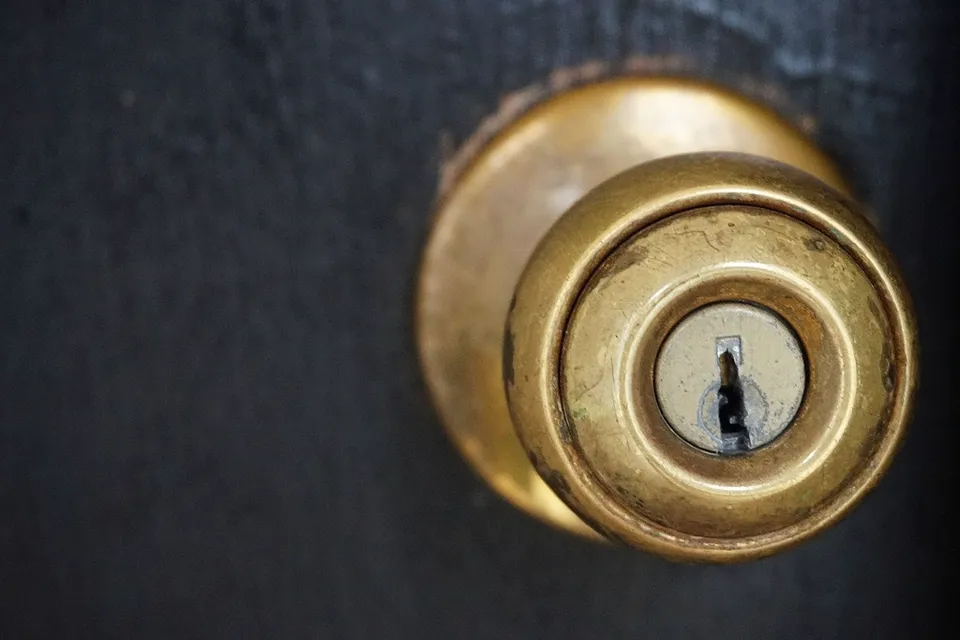
- Rubber grip covers: slip over the knob for friction; cheap and quick.
- Lever adapters: clamp onto the knob and turn it into a lever you can push down with your palm or elbow.
- Lever handles: replace round knobs entirely; the most permanent solution.
- Key turners: a larger handle for keys in locks.
- Push-pull door hardware or automatic openers for heavy doors.
Round door knobs require a tight grip and a twisting motion, which are exactly what arthritis in the hands and wrists makes hard. Many older adults struggle with the bathroom door, the front door or the knob on a closet, and some start leaving doors open just to avoid them. That can affect privacy, safety and independence. Fortunately, there are simple, inexpensive tools that change how a door opens, from rubber grips to lever adapters you can install in minutes without tools. This guide explains why knobs are hard with arthritis, the types of door knob aids, how to choose and install them, safety considerations, key turners and other ways to make doors easier.
In this guide:
- why door knobs are hard with arthritis
- types of door knob aids
- lever adapters vs lever handles
- key turners and locks
- safety considerations
- other door changes
General information for families, not medical advice. An occupational therapist can recommend aids for your parent's hands and home. Call 911 in an emergency.
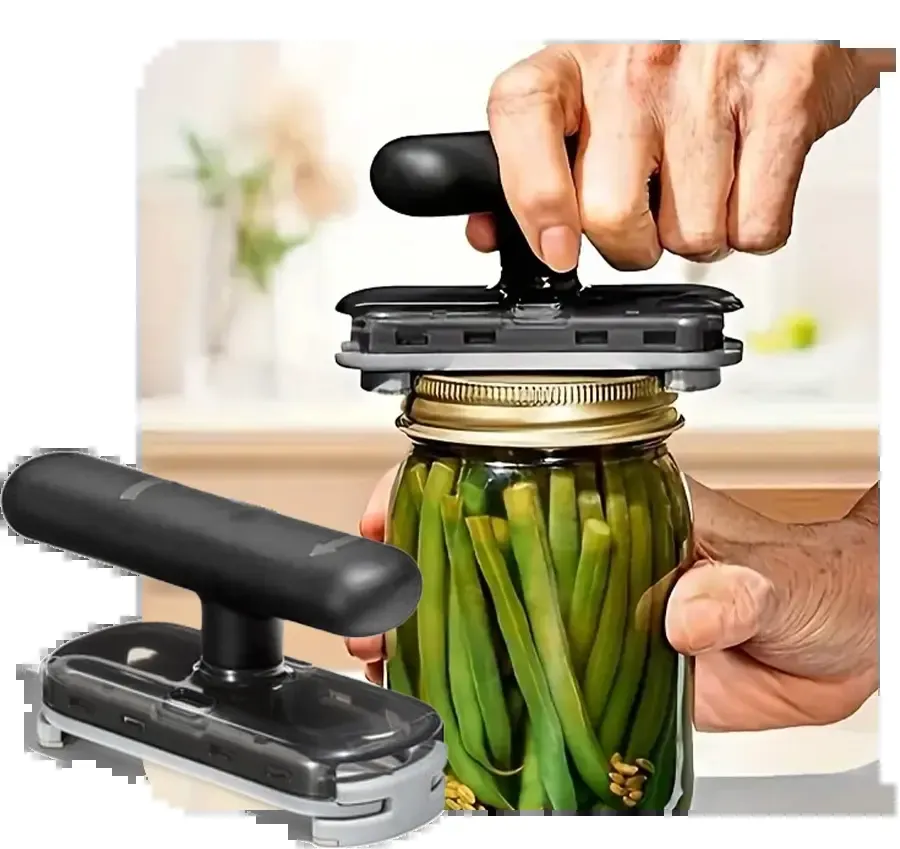
Our pick: the Cap Crack Jar and Bottle Opener
Adjustable, no-battery jar and bottle opener with an ergonomic handle that gives leverage, made for hands with arthritis or weak grip.
Check today's price →$29.99, or from $19.99 each in bundles
Why are door knobs hard with arthritis?
- Tight grip is needed to hold a smooth, round knob
- Twisting strains the wrist and the base of the thumb
- Smooth metal is slippery, especially with dry or cold hands
- Stiff latches on older doors need more force
- Carrying things leaves only one hand free
Arthritis is common in older adults; the CDC's arthritis facts show how many people it affects. See also weak hands in the elderly.
What types of door knob aids are there?
| Aid | How it helps | Install |
|---|---|---|
| Rubber grip cover | Adds friction for a better grip | Slips on, no tools |
| Lever adapter | Turns the knob into a lever you push down | Clamps on, usually no tools |
| Lever handle replacement | Permanent lever; easiest to use | Screwdriver, about 15 minutes |
| Key turner | Bigger handle for turning keys | Key fits into the holder |
| Push-pull plate or automatic opener | No twisting at all | Professional install for some |
Do rubber grip covers work?
They help with a mild grip problem. The textured rubber adds friction so the hand doesn't slip, which is often enough for people with early arthritis or dry, cold hands. They don't remove the twisting motion, though, so they're less helpful for sore wrists. They're cheap, so they're a good first try.
More help for hard-to-twist things
Cap Crack is an adjustable, no-battery opener with an ergonomic handle that gives leverage on jar lids, bottle caps and containers. $29.99, or from $19.99 each in bundles, with a 90-day guarantee.
Check today's price →$29.99, or from $19.99 each in bundles
Lever adapters or lever handles: which is better?
Lever adapters clamp over an existing round knob and add a lever arm. They're great for renters, temporary needs or testing whether a lever helps. Some can slip over time, so check them regularly.
Lever handles replace the knob entirely. They're the most reliable and the easiest to use: you can push them down with a palm, a wrist or even an elbow when your hands are full. Many building and accessibility guidelines favor lever handles for this reason. Replacing a standard knob with a lever usually takes a screwdriver and about 15 minutes per door. The Arthritis Foundation lists lever handles among self-help devices that reduce strain on joints.
How do you choose the right aid?
- Watch your parent open the doors they use most.
- Ask which doors are hardest: often the front door, bathroom and bedroom.
- Try a grip cover for mild problems.
- Use a lever adapter to test whether a lever helps.
- Replace with lever handles for a permanent fix on key doors.
- Ask an occupational therapist for advice if hand pain is severe.
What about keys and locks?
- Key turners: hold the key in a larger handle for more leverage
- Colored key caps: make keys easier to find and grip
- Keyless entry: keypad or smart locks remove keys entirely; keep a backup code with family
- Lever-style deadbolt turns on the inside
Are there safety considerations?
- make sure bathroom doors can be opened from outside in an emergency
- avoid locks your parent might accidentally lock and not reopen
- keep exit doors easy to open in a fire
- for people with dementia who wander, talk to their care team before changing exterior door hardware
See fire safety for seniors and home security for seniors.
What other door changes help?
- adjust heavy doors or door closers so they need less force
- lubricate stiff latches and hinges
- add a door stop to hold doors open when carrying things
- remove thresholds or add small ramps for walkers
- use pocket or sliding doors in remodels
More ideas in home modifications for the elderly and the aging in place checklist.
What other twisting tasks are hard?
- faucets: swap round knobs for lever faucets
- jars and bottles; see how to open a jar with arthritis
- pill bottles; see how to open a pill bottle
- stove knobs: knob turners with a larger handle help
- car door handles and ignition keys
Where does Cap Crack fit in?
Door knobs are one of many twisting jobs that get harder with arthritis. In the kitchen, caps and lids are the biggest daily struggle. Cap Crack is an adjustable, no-battery opener with an ergonomic handle that grips caps and lids of different sizes and gives leverage. It's $29.99, or from $19.99 each in bundles, with a 90-day guarantee. Read our Cap Crack review and daily living aids for seniors.
How do you install a lever handle?
- check whether the door is a passage (no lock), privacy (bathroom) or keyed door, and buy the matching lever set
- remove the screws on the inside rose and pull off both knobs
- remove the latch if the new set includes one; otherwise keep the old latch if it fits
- insert the new latch, then fit the lever halves through the latch
- tighten the screws and test the lever and lock several times
- make sure the lever points the right way (usually toward the hinge side)
If a door is stiff or the latch sticks, lubricate it or ask a handyman. Many local aging services and volunteer groups help older adults with small home modifications for free or at low cost.
How much do door aids cost?
| Aid | Relative cost |
|---|---|
| Rubber grip covers | Very low, often sold in packs |
| Lever adapters | Low per door |
| Lever handle sets | Low to moderate per door |
| Keypad or smart locks | Moderate |
| Automatic door openers | Higher, with professional installation |
Your local Area Agency on Aging may know of programs that help with home modifications; find it through the Eldercare Locator.
How can your parent protect their hands day to day?
- use the palm, forearm or elbow instead of fingers where possible
- avoid tight pinching and twisting
- warm stiff hands with warm water in the morning
- do gentle exercises from a therapist; see hand exercises for arthritis
- spread hard tasks through the day
Are doors harder in winter?
Yes. Cold hands are stiffer, and metal knobs on exterior doors feel icy. A rubber grip cover or lever handle on the front door helps, and gloves with grippy palms make it easier to open doors and car handles outdoors. See arthritis in cold weather.
What about cabinet knobs and drawers?
Small round cabinet knobs can be as hard as door knobs. Swap them for D-shaped pulls or bar handles you can hook with several fingers or the whole hand. Drawers that stick can be fixed with a little wax on the runners. In the kitchen, choose easy-glide drawers for heavy pots and pans so your parent doesn't have to pull hard.
How do you make it work for everyone in the house?
Lever handles work well for everyone, including children and visitors with full hands, so they rarely feel like a "medical" change. Choose a finish that matches the rest of the home, and your parent's house will look updated rather than adapted.
What if your parent rents?
Lever adapters and rubber grips don't damage the door and can be removed when moving out. For permanent changes like lever handles, ask the landlord; many agree, especially if the old knobs are kept and reinstalled later.
What about sliding doors?
Sliding patio doors can be heavy and stick in their tracks. Clean and lubricate the track, add a larger pull handle and use a stick or bar in the track for security instead of a hard-to-turn lock.
How do you know the change worked?
Watch your parent use the door for a week. If they open it without hesitation, carry things through it easily and stop leaving it open, the aid is working. If not, try the next option on the list.
The bottom line
Door knob turners for arthritis:
- rubber grips help with mild grip problems
- lever adapters turn knobs into levers without tools
- lever handles are the most permanent and easiest to use
- key turners and keyless locks make entry easier
- start with the front door, bathroom and bedroom
Cap Crack is an adjustable, no-battery opener for caps and lids, $29.99 or from $19.99 each in bundles, with a 90-day guarantee.
Our pick: the Cap Crack Jar and Bottle Opener
Adjustable, no-battery jar and bottle opener with an ergonomic handle that gives leverage, made for hands with arthritis or weak grip.
Check today's price →$29.99, or from $19.99 each in bundles
Frequently asked questions
What is the best door knob aid for arthritis?
A lever adapter or a lever handle, because you can push it down with your palm instead of gripping and twisting.
Do rubber door knob covers help with arthritis?
They help with mild grip problems by adding friction, but they don't remove the twisting motion.
Can I install a lever adapter without tools?
Most lever adapters clamp over the existing knob without tools. Check them regularly for slipping.
Are lever door handles better for seniors?
Yes. They're easier to use with weak or painful hands and can be opened with an elbow when hands are full.
How do you make keys easier to turn with arthritis?
Use a key turner with a larger handle, or consider a keypad or smart lock.
Who can recommend aids for hand arthritis?
An occupational therapist can assess your parent's hands and home and recommend the right aids.

Laura Bennett
Laura Bennett is the pen name of the Aging Parents at Home editorial team at Iqueda Media LLC. We write for adult children who want to help their aging parents stay safe and independent at home. The team researches daily-living and safety products, reads the official guidance from public health and safety organizations, and checks prices, policies and buyer feedback. We are not doctors, nurses or physical therapists. Her guides are built on official public health and safety guidance, manufacturer information, checkout and return policies, and buyer feedback, and are updated when offers change. More about Laura.