
- Safety: lighting, grab bars, stair rails, no trip hazards, smoke and CO alarms.
- Mobility: a single-floor living option and the right walking aid.
- Daily living: tools for the kitchen, bathroom and dressing.
- Health: organized medications and regular checkups.
- Help and connection: check-ins, a way to call for help, transportation and social contact.
- Planning: legal papers, finances and a plan for more care if needed.
General information, not medical, legal or financial advice. An occupational therapist can do a professional home assessment.
Most older adults want to grow old in the home they know: their neighborhood, their garden, their routines. "Aging in place" is the term for making that possible safely. It isn't a single decision but a series of small, practical changes, usually made over several years as needs change.
This checklist goes area by area through what to look at, what to change and where to get help. Use it on your next visit, or work through it together with your parent over a few weekends.
What does aging in place mean?
The National Institute on Aging describes aging in place as living in your own home as you get older, and notes that planning ahead for changes in health, mobility and support needs makes it more likely to work. That means thinking about the home itself, how your parent gets around, how daily tasks get done, and who will help.
What should the home safety checklist include?
Falls are the biggest threat to aging in place. The CDC reports that more than one in four older adults falls each year. Check:
- ☐ Bright lighting in every room, with switches at room entrances and both ends of stairs.
- ☐ Night lights from bedroom to bathroom.
- ☐ No loose rugs, cords or clutter in walkways.
- ☐ Sturdy handrails on both sides of all stairs.
- ☐ Grab bars by the toilet and in the shower or tub.
- ☐ Non-slip mats in the tub and shower.
- ☐ Working smoke and carbon monoxide alarms, tested monthly.
- ☐ Water heater set to 120°F or lower.
- ☐ Fire extinguisher in the kitchen.
- ☐ Outdoor steps and paths even and well lit.
Our room-by-room fall prevention guide covers each area in detail.
Does the layout of the home still work?
- ☐ Could your parent live on one floor if needed, with a bedroom, full bathroom and kitchen?
- ☐ Is there a step-free entrance, or could a ramp be added?
- ☐ Are doorways wide enough for a walker if one is ever needed?
- ☐ Are lever door handles and faucets in place, instead of round knobs?
- ☐ Are everyday items stored between waist and shoulder height?
- ☐ Is the laundry reachable without stairs, or can it move?
Many changes can be made gradually. Larger projects, like a walk-in shower or a first-floor bathroom, are worth planning before they're urgently needed.
What mobility needs should you plan for?
- ☐ Does your parent walk steadily, or hold on to furniture?
- ☐ Do they have the right walking aid, properly sized? See walker vs cane.
- ☐ Can they get up easily from chairs, the toilet and bed?
- ☐ Are chairs and beds at a good height, with risers or a bed handle if needed?
- ☐ Is the aid within reach where it's needed, especially by the bed at night?
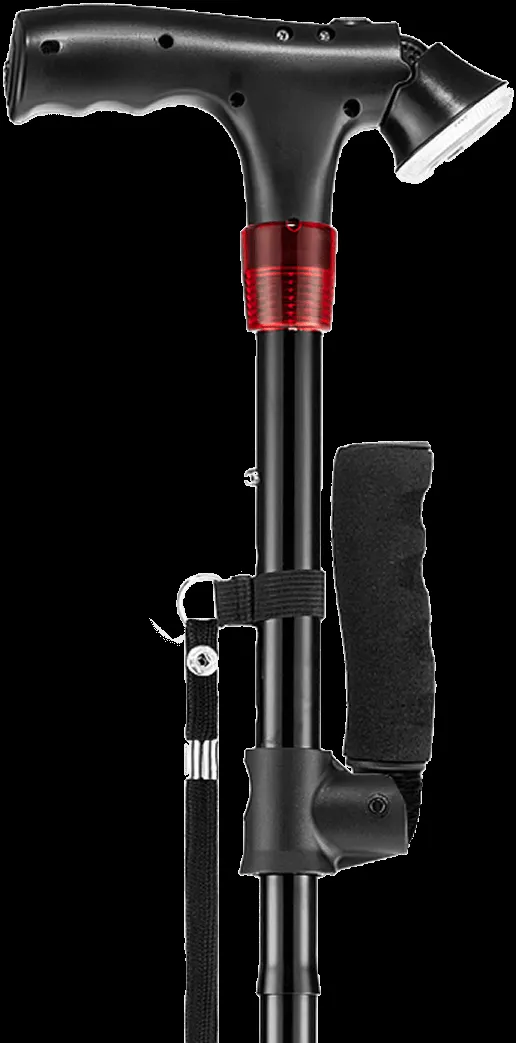
A walking aid that stands on its own is especially practical for aging in place: it stays where your parent left it instead of falling to the floor. The Ready Walker adds a second handle for standing up, an LED light for nighttime and a built-in alarm, according to the brand. Read our Ready Walker review.
A walking aid built for life at home
Ready Walker: stands on its own, second handle for standing up, LED light for nighttime trips and a built-in alarm. $59.99 with a 30-day money-back guarantee.
Check today's price →$59.99 · ships from Ohio · 30-day guarantee
Is the kitchen set up for aging in place?
- ☐ Everyday dishes and foods within easy reach.
- ☐ Lightweight pots and easy-grip utensils.
- ☐ A jar and bottle opener for stiff hands. See our Cap Crack review.
- ☐ Electric can opener.
- ☐ Stove with front controls, or an automatic shut-off device if memory is a concern.
- ☐ A stool or perching seat for tasks at the counter.
- ☐ Good task lighting over the counter and stove.
Is the bathroom set up for aging in place?
- ☐ Grab bars anchored into studs.
- ☐ Raised toilet seat or toilet safety frame.
- ☐ Shower chair or tub transfer bench.
- ☐ Handheld shower head.
- ☐ Non-slip flooring or mats.
- ☐ A phone or alarm within reach.
See our full bathroom safety checklist.
How should health be managed at home?
- ☐ A current list of medications, doses, allergies and doctors, on the fridge and in the wallet.
- ☐ A weekly pill organizer and easy-open caps if needed.
- ☐ Yearly vision and hearing checks.
- ☐ A fall-risk assessment and medication review with the doctor.
- ☐ Regular physical activity, including balance exercises. See balance exercises for seniors.
- ☐ Healthy meals, whether cooked, delivered or shared.
- ☐ Dental and foot care.
How will your parent get help when needed?
- ☐ A cell phone carried at all times, with emergency contacts and SOS set up.
- ☐ A medical alert system with fall detection, for higher-risk parents.
- ☐ A personal safety alarm for walks, the yard and the front door. See personal safety alarms.
- ☐ Daily check-ins with family or a call program.
- ☐ Trusted neighbors with a spare key or lockbox code.
- ☐ An emergency plan, including power outages and severe weather.
How do you prevent isolation?
- ☐ Regular visits and calls from family and friends.
- ☐ Activities outside the home: senior center, faith community, classes, volunteering.
- ☐ Transportation for when driving stops: family, rideshare, community transit, volunteer drivers.
- ☐ Simple technology for video calls, set up and practiced together.
What services can support aging in place?
| Need | Possible help |
|---|---|
| Home repairs and modifications | Handyman services, local home repair programs for older adults |
| Meals | Meal delivery programs, grocery delivery, community dining |
| Personal care | In-home aides for bathing and dressing |
| Housekeeping and yard work | Cleaning services, neighborhood help, family |
| Transportation | Senior transit, volunteer drivers, rideshare |
| Care coordination | Geriatric care managers, Area Agencies on Aging |
The Eldercare Locator (1-800-677-1116) helps you find services in your parent's area.
What legal and financial planning matters?
- ☐ Durable power of attorney for finances.
- ☐ Healthcare proxy and advance directive.
- ☐ A will, kept up to date.
- ☐ A budget for home modifications and in-home help.
- ☐ Understanding what Medicare, Medicaid, long-term care insurance and veterans' benefits may cover.
- ☐ Protection against scams: account alerts and a trusted contact at the bank.
These are easiest to set up while your parent is healthy and can make their own decisions.
Which technology helps with aging in place?
- Motion-sensor lights and smart plugs.
- Video doorbells.
- Smart speakers for voice calls and reminders.
- Automatic pill dispensers.
- Smartwatches with fall detection.
- Stove shut-off devices.
Choose only what your parent will actually use, and set it up together.
What about the outside of the home?
The trip from the car to the front door is part of the home too, and it's often overlooked. Uneven paths, a dark porch, slippery steps and a mailbox at the end of a long driveway all add risk. Check that outdoor steps have a sturdy rail, that the path is lit with motion-sensor lights, and that leaves, ice and snow will be cleared by someone reliable in fall and winter. A bench or chair by the door is a handy place to set down bags while finding keys. If your parent loves the garden, raised beds and a lightweight hose bring it closer to them.
How do you budget for aging in place?
Costs vary widely, so it helps to sort changes into three groups. Quick and inexpensive changes like night lights, non-slip mats, a raised toilet seat, a jar opener and a good walking aid often cost a few hundred dollars in total. Moderate projects like grab bars, extra stair rails, lever handles and better lighting may need a handyman. Major renovations like a walk-in shower, a stair lift or a ramp are larger investments. Compare these with the cost of in-home care or a move, and look for local home repair programs, grants for older homeowners and veterans' benefits that may help. Start with the quick wins; they often make the biggest difference.
Where should you start?
- Fall prevention: lighting, rugs, grab bars, stair rails and the right walking aid.
- A way to get help: phone always carried, check-ins and an alarm or alert system.
- Medications: organized and reviewed.
- Daily tasks: the tools and help that make the kitchen, bathroom and dressing easier.
- Planning: legal papers and a conversation about future wishes.
How often should you review the checklist?
Revisit it every six to twelve months, and after any fall, hospital stay, new diagnosis or change in your parent's abilities. Needs change gradually, and a quick review helps you stay a step ahead rather than reacting to a crisis. See our guide to the signs an elderly parent needs help.
How do you involve your parent?
Aging in place is about your parent's independence, so they should lead. Walk through the checklist together, ask what feels hard, and let them prioritize. Present changes as ways to keep living the way they want: "A rail here means you can keep using the upstairs bedroom." People accept changes they help choose far more readily than changes imposed on them.
The bottom line
Aging in place works best with a plan. Make the home safer, especially against falls, match mobility aids and daily tools to your parent's needs, keep health and medications organized, build reliable ways to get help and stay connected, and put legal and financial plans in place early. Review the checklist regularly as needs change.
For the mobility piece, our pick is the Ready Walker. Check today's Ready Walker price.
Sources
- National Institute on Aging. Aging in Place: Growing Older at Home.
- Centers for Disease Control and Prevention. Older Adult Falls: Facts and Stats.
- U.S. Administration for Community Living. Eldercare Locator.
Frequently asked questions
What does aging in place mean?
Living in your own home safely and independently as you get older, usually with home modifications, the right tools and support services as needs change.
What is the most important aging in place modification?
Fall prevention: good lighting, removing trip hazards, grab bars in the bathroom, handrails on both sides of stairs and a properly fitted walking aid.
How much does it cost to make a home safe for aging in place?
Many basic changes like night lights, grab bars, non-slip mats and a raised toilet seat cost a few hundred dollars. Larger projects like a walk-in shower or ramp cost more.
Who can assess a home for aging in place?
An occupational therapist can do a home safety assessment. Some Area Agencies on Aging and home repair programs also offer evaluations.
How often should I review my parent's home safety?
Every six to twelve months, and after any fall, hospital stay, new diagnosis or change in abilities.
What services help seniors stay at home?
In-home care, meal delivery, housekeeping, transportation, care managers and home repair programs. The Eldercare Locator (1-800-677-1116) can help you find them.

Laura Bennett
Laura Bennett is the pen name of the Aging Parents at Home editorial team at Iqueda Media LLC. We write for adult children who want to help their aging parents stay safe and independent at home. The team researches daily-living and safety products, reads the official guidance from public health and safety organizations, and checks prices, policies and buyer feedback. We are not doctors, nurses or physical therapists. Her guides are built on official public health and safety guidance, manufacturer information, checkout and return policies, and buyer feedback, and are updated when offers change. More about Laura.