
- Supporting their treatment plan: doctor visits, medications and physical or occupational therapy.
- Encouraging gentle, regular physical activity.
- Making the home easier on painful joints: lever handles, raised seats and things within reach.
- Providing tools that replace grip strength with leverage, like an adjustable jar and bottle opener such as Cap Crack, easy-grip utensils and a reacher.
- Helping with the hardest chores while respecting their independence.
General information, not medical advice. Your parent's doctor should guide arthritis treatment, including medications, exercise and therapy.
Arthritis is one of the most common reasons older adults lose independence in everyday tasks. Stiff mornings, painful hands, sore knees and hips can turn buttoning a shirt, opening a jar, climbing stairs or getting out of a chair into daily struggles. Many parents quietly give up activities they enjoy, or push through the pain until they can't.
As an adult child, you can make a real difference: not by doing everything for your parent, but by helping them get the right care, set up their home and find tools that take the strain off their joints. Here's how.
What should you know about arthritis in older adults?
"Arthritis" covers more than 100 conditions that affect the joints. The most common in older adults is osteoarthritis, the wear-and-tear type, often in the hands, knees, hips and spine. Rheumatoid arthritis and other inflammatory types are less common but need specialist treatment. The CDC reports that arthritis affects tens of millions of US adults and is a leading cause of work disability, and it becomes more common with age.
Arthritis symptoms often vary from day to day. Mornings and cold, damp weather are often worse, and a "good day" can be followed by a flare after doing too much. Understanding that pattern helps you plan help without overstepping.
How can you support your parent's medical care?
- Encourage a proper diagnosis if joint pain is new or changing.
- Go to appointments with permission, and bring a list of questions and symptoms.
- Help track symptoms: which joints hurt, when, and what makes it better or worse.
- Ask about therapy: physical therapy for strength and mobility, and occupational therapy for daily tasks and hand function.
- Review medications, including over-the-counter pain relievers, which can interact with other medicines or cause stomach or kidney problems in older adults.
- Ask about a specialist (rheumatologist) if inflammatory arthritis is suspected.
Why does physical activity matter so much?
It can seem backward, but movement is one of the best treatments for arthritis. The CDC notes that physical activity can reduce pain and improve function, mood and quality of life for people with arthritis. Gentle options include walking, swimming or water exercise, stationary cycling, tai chi and chair exercises. Start slow, build gradually and work with the doctor or a physical therapist. Evidence-based arthritis exercise programs are offered in many communities.
Encourage activity your parent enjoys. A daily walk with a friend is more likely to last than an exercise plan that feels like a chore. See our guide to balance exercises for seniors and our tips on walking safety.
How can you help with painful hands?
Hand arthritis makes gripping, pinching and twisting painful, and those movements are everywhere in daily life. Helpful changes:
- Jar and bottle opener: replaces grip strength with leverage.
- Built-up or large-handled utensils, pens and toothbrushes.
- Lever-style door handles and faucets instead of round knobs.
- Key turners and large-grip key covers.
- Button hooks, zipper pulls and clothing with Velcro or magnetic closures.
- Electric can opener and pump dispensers instead of squeeze bottles.
- Warmth: warm water soaks or paraffin baths, if the doctor agrees.
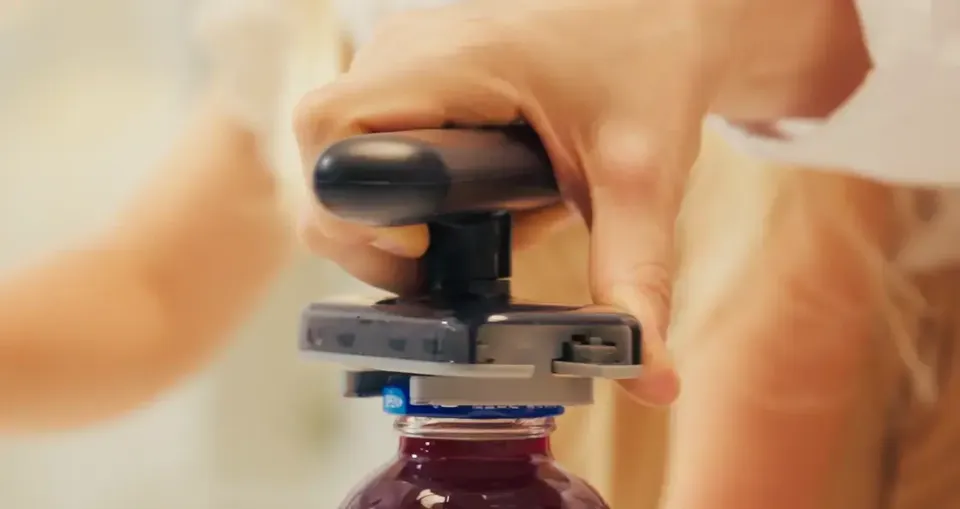
Why is a good jar opener such a big help?
Lids come up all day: coffee, jam, sauces, pickles, supplements, water and soda. For a parent with hand arthritis, each one can mean pain, a missed meal or waiting for help. An adjustable opener solves this in one step.
Cap Crack is our pick. According to the brand, it adjusts to fit lids of many sizes, from bottle caps to large jars. Your parent places it over the lid and turns the ergonomic handle, and the leverage does the work, so there's no hard gripping or twisting with the fingers. It's an inexpensive way to give back a little everyday independence. Read our Cap Crack review, where we rate it 4.6/5, and our guide to kitchen gadgets for arthritis.
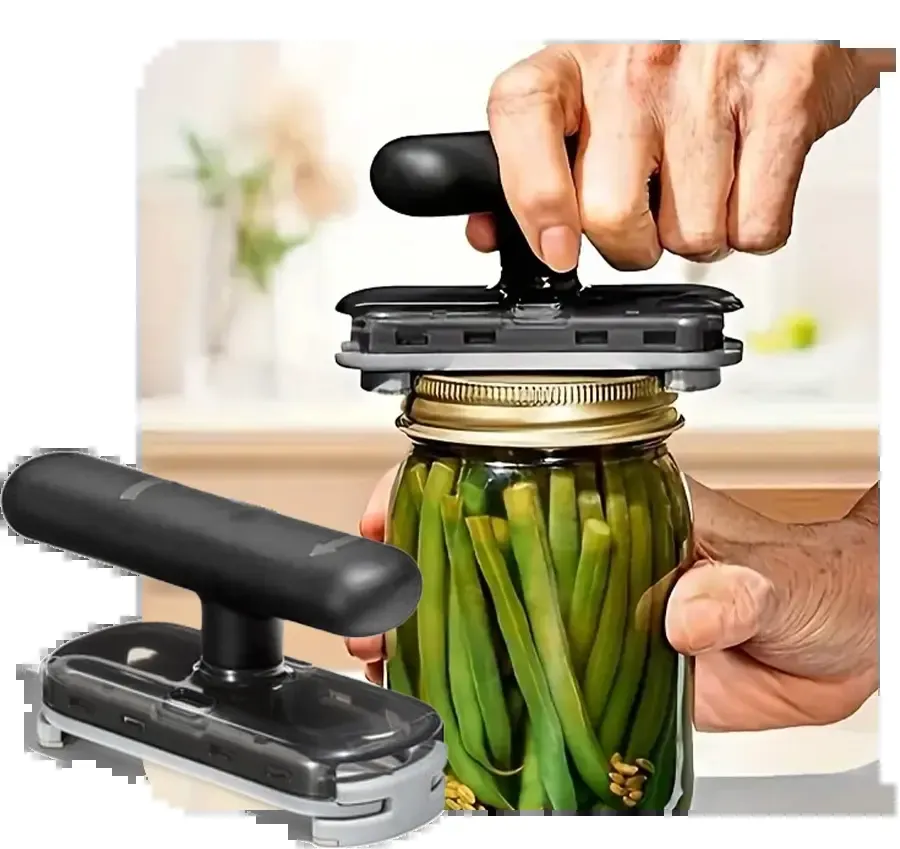
Take the pain out of opening jars and bottles
Cap Crack adjusts to lids of many sizes and uses leverage instead of grip strength. From $19.99 each in multi-packs, with a 90-day guarantee.
Check today's price →$29.99, or from $19.99 each in bundles
How can you help with knee and hip arthritis?
- Raise seats: chair and bed risers, a firm cushion or a raised toilet seat make standing up easier.
- Chairs with armrests to push up from.
- A properly fitted cane held on the side opposite the painful joint takes some load off. See our guide to the best cane for seniors.
- Grab bars by the toilet and in the shower.
- Handrails on both sides of the stairs.
- Supportive, cushioned shoes with easy closures.
- Healthy weight: even modest weight loss reduces stress on the knees.
How do you make the home arthritis-friendly?
- Store everyday items between waist and shoulder height.
- Use pull-out shelves and lazy Susans.
- Replace knobs with D-shaped handles.
- Add a stool or perching seat in the kitchen.
- Keep a reacher in each main room.
- Choose lightweight pots, dishes and laundry baskets.
- Move the laundry to the main floor if stairs are painful.
See our full guide to daily living aids for seniors.
What are joint-protection techniques?
Occupational therapists teach simple techniques that reduce strain:
- Use larger, stronger joints: carry bags over the forearm, push doors with the hip or shoulder.
- Spread the load: use two hands to lift a kettle or a pot.
- Avoid tight grips and prolonged pinching.
- Keep wrists straight while lifting and cutting.
- Change positions often and avoid staying still too long.
- Pace activities: alternate heavy and light tasks and rest between them.
- Respect pain: if pain lasts more than an hour after a task, do it differently next time.
Which chores should you help with?
Offer help with the heaviest, most painful tasks, and leave your parent the ones they can still manage comfortably. Typical candidates include heavy cleaning like vacuuming and scrubbing the tub, carrying groceries and laundry, yard work and snow removal, high and low cleaning, and opening a stock of jars or containers during visits. Arranging a cleaner, grocery delivery or a neighborhood teenager for yard work can make a big difference.
How can mornings be made easier?
Morning stiffness is common. A warm shower, gentle range-of-motion exercises in bed or a chair, and planning the hardest tasks for later in the day can help. Lay out clothes that are easy to put on the night before, and keep a reacher and sock aid by the bed. A slower start, with breakfast before chores, often makes the rest of the day go more smoothly.
What about weather, flares and bad days?
Many people with arthritis say their joints are worse in cold, damp weather, and almost everyone has occasional flares when pain and stiffness are much worse for a few days. Planning for bad days makes them easier. Keep a small stock of easy meals, like frozen dinners, soups in easy-open containers and pre-cut fruit, so cooking isn't necessary. Make sure the home stays warm, and keep a heating pad or warm throw handy if the doctor agrees. On flare days, encourage gentle movement rather than complete rest, since stiffness often worsens with too much sitting.
A short "bad day plan" written together, covering who to call, what to postpone and which medications or comfort measures the doctor has approved, helps your parent feel more in control. And when a flare lasts longer than usual, or a joint becomes hot, red and swollen, call the doctor rather than waiting it out.
How does arthritis affect mood?
Chronic pain can be exhausting and isolating, and people with arthritis are more likely to experience anxiety and depression. Stay connected, encourage social activities that are comfortable for their joints, and mention low mood to the doctor. Arthritis Foundation resources and local support groups can help your parent connect with others who understand.
Does arthritis increase fall risk?
It can. Pain, stiffness, muscle weakness and changes in how a person walks all raise fall risk, and some pain medications cause drowsiness or dizziness. Fall-prevention steps, like good lighting, no loose rugs, grab bars, handrails and the right walking aid, matter even more for parents with arthritis. See our fall prevention guide.
How do you offer help without taking over?
Many parents with arthritis fear becoming a burden. Ask before helping, offer tools as gadgets rather than "aids," and celebrate what they can still do. Let your parent set the pace. The goal is independence with less pain, not dependence. A simple question like "Would it help if I did the vacuuming while you sort the mail?" keeps your parent in charge of their own home.
Which quick wins help the most?
| Problem | Quick win |
|---|---|
| Can't open jars and bottles | Adjustable opener like Cap Crack |
| Hard to stand up | Chair risers, armrests, cane with a lower handle |
| Painful stairs | Rails on both sides; move key rooms downstairs |
| Trouble dressing | Sock aid, button hook, easy-close clothing |
| Morning stiffness | Warm shower, gentle stretches, plan hard tasks later |
| Heavy chores | Cleaner, delivery, family help |
The bottom line
Helping a parent with arthritis means supporting good medical care and activity, making the home easier on painful joints, providing tools that replace strength with leverage, teaching joint-saving habits and helping with the hardest chores, all while protecting your parent's independence and dignity.
For one of the quickest daily wins, our pick is Cap Crack. Check today's Cap Crack price.
Sources
- Centers for Disease Control and Prevention. Arthritis Facts and Figures.
- Arthritis Foundation. Self-Help Arthritis Devices.
- Official Cap Crack product page, checked October 2026.
Frequently asked questions
How can I help my elderly parent with arthritis?
Support their medical care and therapy, encourage gentle activity, make the home easier on joints, provide tools like jar openers and reachers, and help with the heaviest chores.
What helps arthritis in the hands of elderly people?
Tools that replace grip with leverage, like adjustable jar openers, built-up utensils, lever handles and key turners, plus warmth and hand exercises recommended by a therapist.
Is exercise good for seniors with arthritis?
Yes. The CDC notes that physical activity can reduce arthritis pain and improve function. Walking, water exercise, cycling, tai chi and chair exercises are good options.
Does arthritis increase the risk of falls?
It can, through pain, stiffness, weakness and changes in walking. Fall-prevention steps and the right walking aid are especially important.
What is the best jar opener for arthritis?
An adjustable opener that uses leverage, like Cap Crack, which fits lids of many sizes without hard gripping.
Who can help my parent with arthritis at home?
Their doctor, a physical therapist for strength and mobility, and an occupational therapist for daily tasks and tools.

Laura Bennett
Laura Bennett is the pen name of the Aging Parents at Home editorial team at Iqueda Media LLC. We write for adult children who want to help their aging parents stay safe and independent at home. The team researches daily-living and safety products, reads the official guidance from public health and safety organizations, and checks prices, policies and buyer feedback. We are not doctors, nurses or physical therapists. Her guides are built on official public health and safety guidance, manufacturer information, checkout and return policies, and buyer feedback, and are updated when offers change. More about Laura.