- Ball or putty squeezes: squeeze a soft ball or therapy putty for 3 to 5 seconds, 10 times per hand.
- Finger spreads with a rubber band to strengthen the muscles that open the hand.
- Towel wrings and towel scrunches for grip and forearm strength.
- Thumb touches to each fingertip for coordination.
- Wrist curls with a light can or water bottle.
General information, not medical advice. Ask a doctor, physical therapist or occupational therapist before starting exercises, especially with arthritis, recent injuries or surgery.
Grip strength is easy to take for granted until it fades. Opening jars, turning keys, carrying groceries, holding a cane or getting up from a chair all depend on strong hands and forearms. Grip strength naturally declines with age and conditions like arthritis, but gentle, regular exercise can help maintain it, and the right tools can make daily tasks easier in the meantime.
This guide explains why grip strength matters, shows simple exercises with step-by-step instructions, suggests a weekly routine, covers tips for arthritis, and explains how tools can protect joints while your parent builds strength.
Why does grip strength matter?
- Independence: opening containers, dressing, cooking and cleaning.
- Safety: holding handrails, grab bars and mobility aids firmly.
- Getting up: pushing up from chairs and beds.
- Carrying: groceries, laundry and bags.
The National Institute on Aging recommends strength exercises as part of staying active and independent with age.
What should you do before starting?
- Check with a doctor or therapist, especially with arthritis or past injuries.
- Warm up hands in warm water or with gentle movement.
- Move slowly and breathe normally.
- Expect mild effort, not sharp pain.
- Start with fewer repetitions and build up.
Which exercises build grip strength?
| Exercise | How to do it | Reps |
|---|---|---|
| Ball squeeze | Squeeze a soft ball, hold 3 to 5 seconds, release | 10 per hand |
| Putty pinch | Pinch therapy putty between thumb and each finger | 5 per finger |
| Rubber band spread | Place a band around fingers, spread them apart slowly | 10 per hand |
| Towel wring | Twist a rolled towel like wringing water, both directions | 5 each way |
| Towel scrunch | Lay a towel flat, scrunch it toward you with fingers | 5 times |
| Thumb to finger | Touch thumb to each fingertip, making an "O" | 5 rounds |
| Wrist curls | Hold a light can, forearm on table, curl wrist up and down | 10 per hand |
The Arthritis Foundation shares gentle hand exercises for people with arthritis. See also hand exercises for arthritis.
What does a weekly routine look like?
- Three times a week: ball squeeze, rubber band spread, towel wring, wrist curls.
- Daily: gentle thumb-to-finger and finger stretches, especially in the morning.
- Rest days: give hands time to recover.
- Progress slowly: add a few reps or use slightly firmer putty every few weeks.
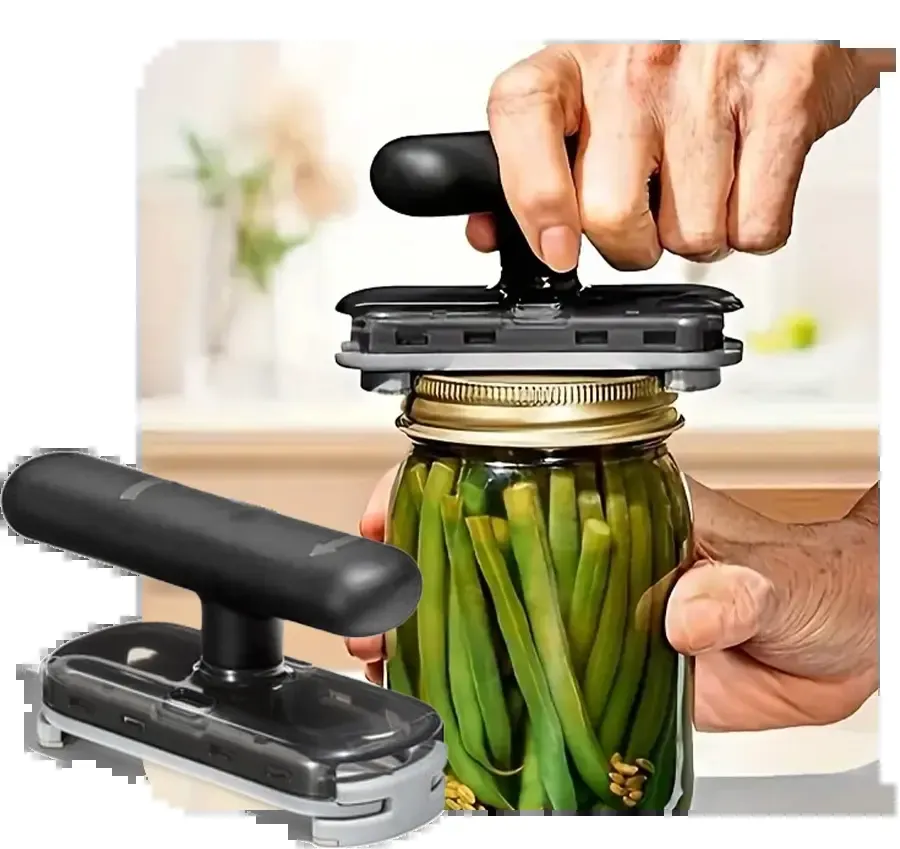
Take the strain off jars while you build strength
Cap Crack adjustable jar and bottle opener: no batteries, ergonomic handle for leverage, made for arthritis and weak grip. $29.99, or from $19.99 each in bundles, with a 90-day guarantee.
Check today's price →$29.99, or from $19.99 each in bundles
What if your parent has arthritis?
- Exercise when joints feel least stiff, often after a warm shower.
- Use soft balls and light putty.
- Skip exercises during flare-ups.
- Focus on range of motion as much as strength.
- Ask an occupational therapist for a tailored plan; see occupational therapy for seniors.
See helping a parent with arthritis.
How do tools protect joints?
Exercise builds strength over weeks, but daily tasks happen today. Tools that use leverage or bigger handles reduce strain:
- Adjustable jar opener like Cap Crack.
- Key turners and lever door handles.
- Built-up utensil handles.
- Electric can openers.
- Reachers for picking things up.
See weak hands in the elderly and daily living aids.
Why does whole-body strength matter too?
Grip strength is linked to overall strength. Leg and core exercises, walking and balance training help prevent falls and make daily life easier. Combining hand exercises with gentle whole-body activity gives the best results. See balance exercises for seniors.
How do you stay motivated?
- Do exercises while watching TV.
- Keep the ball and putty by the favorite chair.
- Track progress, like opening a jar or holding a cup longer.
- Exercise together during visits or video calls.
When should you stop and call a doctor?
Stop if exercises cause sharp pain, swelling, numbness or tingling, or if a hand becomes suddenly weak. Sudden weakness on one side, especially with trouble speaking, needs emergency care: call 911.
Why do we recommend Cap Crack?
Cap Crack is an adjustable, no-battery jar and bottle opener with an ergonomic handle for leverage, made for hands with arthritis or weak grip. It costs $29.99, $27.99 each for two, $25.99 each for three, $22.99 each for four or $19.99 each for five, with a 90-day guarantee. Read our Cap Crack review.
Which everyday activities build grip strength?
Many daily activities double as hand exercise: kneading bread dough, gardening and pulling weeds, wringing out a washcloth, playing cards, knitting, playing an instrument, folding laundry and carrying light grocery bags. Encourage your parent to keep doing these hobbies in a comfortable way, using tools that reduce strain when needed. Staying active in daily life is often easier to keep up than a formal exercise routine.
What equipment do you need?
- A soft stress ball or a tennis ball cut slightly for softness.
- Therapy putty in light resistance.
- Thick rubber bands.
- A small hand towel.
- A light can of soup or a small water bottle for wrist curls.
Everything costs little and fits in a basket by the chair.
How can you tell if grip is improving?
Notice everyday signs: holding a coffee cup longer, opening a medicine bottle more easily, carrying a bag without dropping it, getting dressed faster. A physical or occupational therapist can measure grip strength with a hand dynamometer and track progress over time.
How can caregivers help?
Exercise together, praise progress and keep supplies within reach. During visits, make it social: do a few squeezes while chatting. Watch for pain or swelling and adjust the routine.
Which stretches should come first?
Before strength exercises, gentle stretches loosen stiff fingers and wrists. Make a loose fist, then open the hand wide and spread the fingers, five times. Bend the wrist gently up and down and side to side. Touch the thumb across the palm to the base of the little finger. Slowly bend each finger toward the palm, one at a time. These take two or three minutes and make the exercises more comfortable.
How does grip affect using a cane?
A firm, comfortable grip on a cane or walker helps your parent stay steady. If the hand tires or aches, choose a cane with an ergonomic handle that spreads pressure across the palm, or add a foam grip. Strengthening the hand and forearm also helps. See the best cane for seniors.
What mistakes should you avoid?
- Squeezing too hard or using putty that's too firm.
- Exercising through sharp pain.
- Doing too many reps on the first day.
- Exercising during an arthritis flare.
- Holding your breath.
- Skipping rest days.
How do you combine exercise and tools?
Think of exercise and tools as partners. Exercises slowly build strength and flexibility, while tools reduce strain right now. Using a jar opener doesn't mean giving up; it protects joints so your parent has more energy for the activities they enjoy. As strength improves, some tasks may become easier, but leverage tools remain helpful for stubborn lids.
When is hand therapy helpful?
After an injury, surgery, stroke or when arthritis limits daily tasks, a certified hand therapist or occupational therapist can design a specific program, splints if needed and adaptive strategies.
What does a 10-minute session look like?
- Warm-up (2 minutes): soak hands in warm water or rub them together; gentle finger and wrist stretches.
- Ball squeezes (2 minutes): 10 per hand, holding 3 to 5 seconds.
- Rubber band spreads (2 minutes): 10 per hand.
- Towel wring (1 minute): 5 twists each way.
- Wrist curls (2 minutes): 10 per hand with a light can.
- Cool-down (1 minute): open and close hands slowly, shake them out.
Ten minutes, three times a week, is a realistic goal for many older adults.
What helps sore hands after exercise?
Mild soreness is normal when starting. Warm compresses, gentle massage and rest help. If joints are swollen or hot, a cold pack may feel better. Ask the doctor about pain relief options if soreness doesn't settle.
Strong, flexible hands make so many everyday moments easier, from a morning cup of coffee to a firm handshake. A few minutes of gentle practice and the right tools can help your parent keep doing the things they love with confidence.
Start small, stay consistent and celebrate progress.
Your hands will thank you.
Keep going.
The bottom line
Gentle grip strength exercises, like ball squeezes, rubber band spreads, towel wrings and wrist curls, done a few times a week can help older adults keep hand strength for daily tasks. Start slowly, adjust for arthritis and ask a therapist for guidance. Meanwhile, tools like an adjustable jar opener protect joints and keep daily life easier.
Our pick for easier jars is Cap Crack. Check today's Cap Crack price.
Sources
- National Institute on Aging. Three Types of Exercise.
- Arthritis Foundation. 9 Exercises to Help Hand Arthritis.
- Official Cap Crack product page, checked October 2026.
Frequently asked questions
What exercises improve grip strength in seniors?
Ball or putty squeezes, rubber band spreads, towel wrings, thumb touches and wrist curls.
How often should seniors do grip exercises?
About three times a week, with gentle stretches daily.
Are grip exercises safe with arthritis?
Usually, done gently and skipped during flares; ask a therapist.
When should I stop?
If exercises cause sharp pain, swelling, numbness or sudden weakness.
Do tools help while building strength?
Yes, a jar opener and key turner reduce strain on joints.
How much does Cap Crack cost?
$29.99, or from $19.99 each in bundles.

Laura Bennett
Laura Bennett is the pen name of the Aging Parents at Home editorial team at Iqueda Media LLC. We write for adult children who want to help their aging parents stay safe and independent at home. The team researches daily-living and safety products, reads the official guidance from public health and safety organizations, and checks prices, policies and buyer feedback. We are not doctors, nurses or physical therapists. Her guides are built on official public health and safety guidance, manufacturer information, checkout and return policies, and buyer feedback, and are updated when offers change. More about Laura.