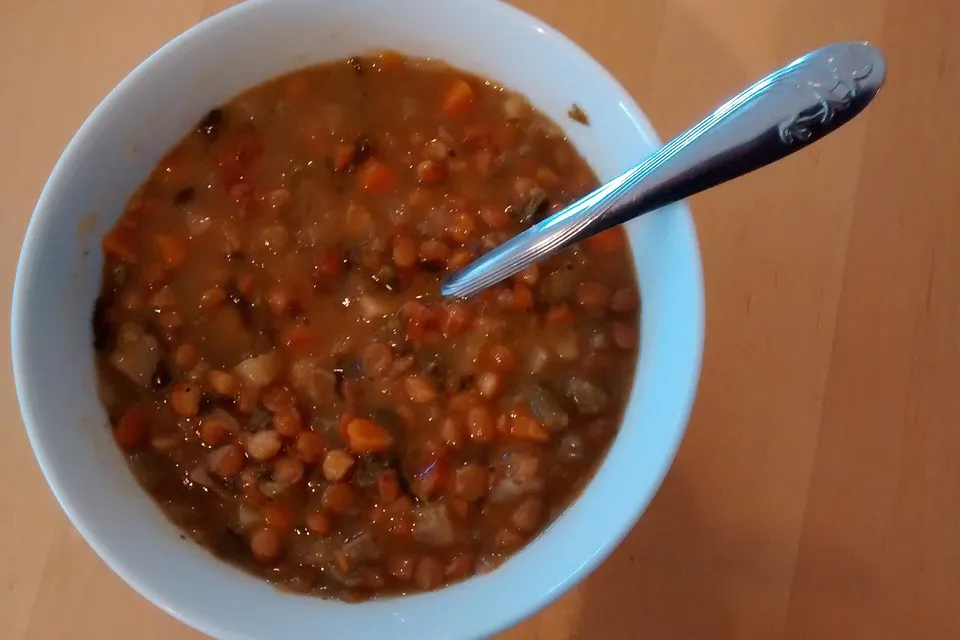
- Make food easy: stock simple, healthy staples, ready-to-eat options and freezer meals in single portions.
- Remove kitchen barriers: jars and bottles that are hard to open, heavy pots, high shelves. Tools like an adjustable jar opener (Cap Crack) help.
- Use services: grocery delivery, home-delivered meals and congregate meal programs at senior centers.
- Make meals social: video-call dinners, shared lunches, community meals.
- Watch for warning signs: weight loss, empty or spoiled fridge, skipped meals, dehydration.
General information, not medical or nutrition advice. Ask your parent's doctor or a registered dietitian about their specific needs, especially with diabetes, heart or kidney conditions. In an emergency, call 911.
When an older parent lives alone, eating well can quietly slip. Cooking for one feels like too much effort, appetite changes with age, shopping is harder without a car and arthritis makes opening jars or lifting pots painful. The result can be tea and toast for dinner, skipped meals and gradual weight loss, which affects strength, balance and energy.
This guide explains why nutrition gets harder for seniors living alone, the warning signs to watch for, simple ways to stock the kitchen, tools that make cooking easier, services that deliver food, ideas to make meals social and how to help without taking over.
Why is eating well harder when living alone?
- Low motivation to cook for one.
- Reduced appetite and changes in taste and smell.
- Shopping barriers: no car, heavy bags, crowded stores.
- Physical challenges: arthritis, weak grip, standing for long periods.
- Loneliness: meals feel less enjoyable alone; see loneliness in elderly parents.
- Dental problems that make chewing hard.
- Budget concerns.
- Medications that affect appetite.
What are the warning signs?
| Sign | What it might mean |
|---|---|
| Clothes looser, visible weight loss | Not eating enough |
| Empty fridge or expired food | Shopping or cooking has become hard |
| Same snack foods every day | Low energy or interest in cooking |
| Unopened jars and cans piling up | Trouble opening containers |
| Dizziness, confusion, dark urine | Possible dehydration |
| Weakness, more falls | Poor nutrition affecting strength |
Unexplained weight loss should be checked by a doctor. Weakness also raises fall risk; see fall prevention.
How do you stock the kitchen for easy meals?
- Proteins: eggs, canned tuna or salmon, Greek yogurt, cottage cheese, beans, nut butter, pre-cooked chicken.
- Grains: oatmeal, whole-grain bread, microwave rice.
- Produce: pre-cut vegetables, bagged salads, bananas, frozen fruit and vegetables.
- Easy meals: soups, single-portion frozen meals, healthy ready meals.
- Drinks: water bottles within reach, milk, low-sugar options.
Choose easy-open packaging and keep everyday items at waist height to avoid climbing and bending. See kitchen safety.
Which tools make cooking easier?
| Tool | Why it helps |
|---|---|
| Adjustable jar opener (Cap Crack) | Opens jars and bottles with leverage, not grip strength |
| Electric can opener | No twisting |
| Microwave and air fryer | Quick, simple cooking |
| Lightweight pots with two handles | Safer to lift |
| Easy-grip utensils | Comfortable for arthritis |
| Stool or perching seat | Sit while preparing food |
See kitchen gadgets for arthritis and how to open a jar. The Arthritis Foundation shares tips for opening containers with less strain.
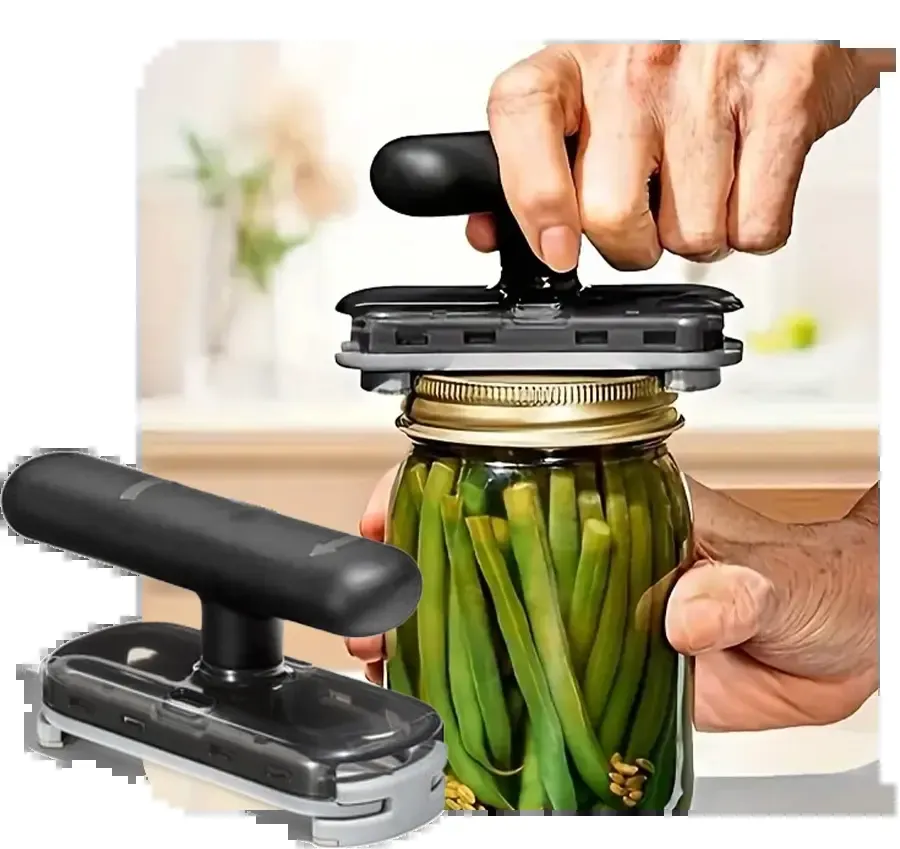
Make the kitchen easier
Cap Crack adjustable jar and bottle opener: no batteries, ergonomic handle for leverage, made for arthritis and weak grip. $29.99, or from $19.99 each in bundles, with a 90-day guarantee.
Check today's price →$29.99, or from $19.99 each in bundles
Which food services can help?
- Grocery delivery or curbside pickup.
- Home-delivered meals programs, often with a friendly visit.
- Congregate meals at senior centers, which add social time.
- Meal kits for parents who still enjoy cooking.
- Family batch cooking: freeze single portions labeled with dates.
The Eldercare Locator can help you find local meal programs.
Why does hydration matter?
Older adults often feel less thirsty and may drink too little, especially if they worry about bathroom trips. Dehydration can cause dizziness and confusion. Keep a water bottle within reach, offer soups and fruits with lots of water, and encourage drinking with meals. See dizziness when standing up.
How do you make meals more social?
- Schedule a weekly video-call dinner.
- Invite your parent for Sunday lunch.
- Encourage meals at a senior center or faith community.
- Arrange a regular lunch with a friend or neighbor.
- Cook together during visits and freeze extras.
How do you help without taking over?
Ask what foods they enjoy and what's become hard. Offer choices, like delivery or batch cooking together. Respect their favorite foods and routines; small improvements matter. See elderly parent living alone.
When should you involve the doctor?
Talk to the doctor about unintended weight loss, loss of appetite, trouble chewing or swallowing, frequent dizziness or special diet needs. A registered dietitian can create a plan, and a dentist can help with chewing problems.
Why does a jar opener matter for nutrition?
When jars of sauce, pickles or peanut butter are hard to open, many older adults simply stop using them. Cap Crack is an adjustable, no-battery jar and bottle opener with an ergonomic handle for leverage, made for hands with arthritis or weak grip. It costs $29.99, or from $19.99 each in bundles, with a 90-day guarantee. Read our Cap Crack review.
What are simple meal ideas for one?
- Breakfast: oatmeal with banana and nuts, yogurt with fruit, scrambled eggs on toast.
- Lunch: soup with whole-grain crackers, tuna salad sandwich, cottage cheese with fruit.
- Dinner: microwave rice with frozen vegetables and pre-cooked chicken, an omelet with spinach, a frozen meal plus a side salad.
- Snacks: cheese and crackers, peanut butter on apple slices, hard-boiled eggs.
Keep a printed list of easy meals on the fridge so your parent doesn't have to think about what to make.
Why does protein matter?
Many older adults don't eat enough protein, which helps maintain muscle strength. Stronger muscles support balance and help reduce fall risk. Adding an egg, yogurt, beans, fish or chicken to meals is a simple step. Ask their doctor or a dietitian how much is right for them, especially if they have kidney problems.
How do you keep food safe?
Older adults are more vulnerable to food poisoning. Help your parent label leftovers with dates, throw out food after a few days, keep the fridge cold and avoid risky foods like undercooked eggs or unpasteurized products. During visits, gently clear out expired items.
What if money is tight?
Look into food assistance programs, senior discounts, food banks and community meals. Frozen and canned vegetables, beans, eggs, oats and rice are affordable and nutritious. The Eldercare Locator can help find local food programs.
How can you boost a small appetite?
If your parent eats very little, try smaller, more frequent meals and snacks rather than three big meals. Add flavor with herbs and spices if taste has faded, serve favorite foods, make the table pleasant and eat together when possible. Nutrient-rich foods like eggs, nut butter, yogurt and smoothies pack more nutrition into small portions. If appetite loss continues, check with their doctor, since medications, depression or other conditions can be the cause.
What if chewing or swallowing is hard?
Loose dentures, sore gums or dental problems make many foods hard to eat. Softer options like scrambled eggs, soups, stews, fish, cooked vegetables, oatmeal, yogurt and smoothies can help. A dental visit is important. If your parent coughs or chokes when eating or drinking, talk to their doctor; a swallowing evaluation may be needed. Learn first aid steps in what to do if someone is choking.
How can shopping be easier?
Online ordering with delivery saves carrying heavy bags. If your parent likes going to the store, go together, use a cart for support, shop at quieter times and choose smaller stores. A rolling cart or a backpack helps carry items home with free hands. See how to carry things while using a cane.
Why does a meal routine help?
Regular mealtimes make it less likely your parent will skip meals. Tie meals to other daily routines, like the morning news or an evening call, and keep easy options ready.
How does batch cooking help?
During visits, cook a few favorite dishes together and freeze them in single portions: soups, stews, casseroles, chili, meatballs or pasta sauce. Label each container with the name and date, and keep a list on the freezer door. Your parent then has home-cooked meals that only need reheating. Use microwave-safe containers that are easy to open, or glass containers with simple lids.
What's a quick nutrition checklist for visits?
- Is there fresh food in the fridge?
- Are there expired items to throw out?
- Are easy meals and snacks within reach?
- Can your parent open jars, bottles and cans?
- Are they drinking enough water?
- Has their weight changed?
Small checks during each visit help catch problems early.
Good food is about more than nutrients. It's comfort, routine and connection. A few simple changes can help your parent enjoy meals again and stay stronger at home.
How can you check on their eating from a distance?
Ask about meals during regular phone calls, look in the fridge and pantry when you visit, and notice weight changes or loose clothing. A shared grocery delivery account also shows what they are buying. If you see signs they are skipping meals, talk with their doctor.
The bottom line
Eating well alone gets harder with age, but simple steps help: stock easy, healthy staples, remove kitchen barriers with tools like a jar opener, use delivery and meal programs, make meals social and watch for warning signs like weight loss. Involve their doctor for appetite or weight concerns.
Our kitchen pick is Cap Crack. Check today's Cap Crack price.
Sources
- Arthritis Foundation. Tips for Opening Containers.
- Administration for Community Living. Eldercare Locator.
- Official Cap Crack product page, checked October 2026.
Frequently asked questions
Why do seniors living alone eat poorly?
Low motivation, appetite changes, shopping barriers, arthritis and loneliness.
What are signs of poor nutrition?
Weight loss, an empty or spoiled fridge, weakness and dehydration.
What foods should I stock?
Easy proteins, whole grains, frozen and pre-cut produce and single-portion meals.
Are there meal programs for seniors?
Yes, home-delivered and congregate meal programs; the Eldercare Locator can help.
How does a jar opener help nutrition?
It makes sauces, spreads and pantry foods easy to use again.
When should I involve a doctor?
For weight loss, appetite loss, chewing problems or special diets.

Laura Bennett
Laura Bennett is the pen name of the Aging Parents at Home editorial team at Iqueda Media LLC. We write for adult children who want to help their aging parents stay safe and independent at home. The team researches daily-living and safety products, reads the official guidance from public health and safety organizations, and checks prices, policies and buyer feedback. We are not doctors, nurses or physical therapists. Her guides are built on official public health and safety guidance, manufacturer information, checkout and return policies, and buyer feedback, and are updated when offers change. More about Laura.