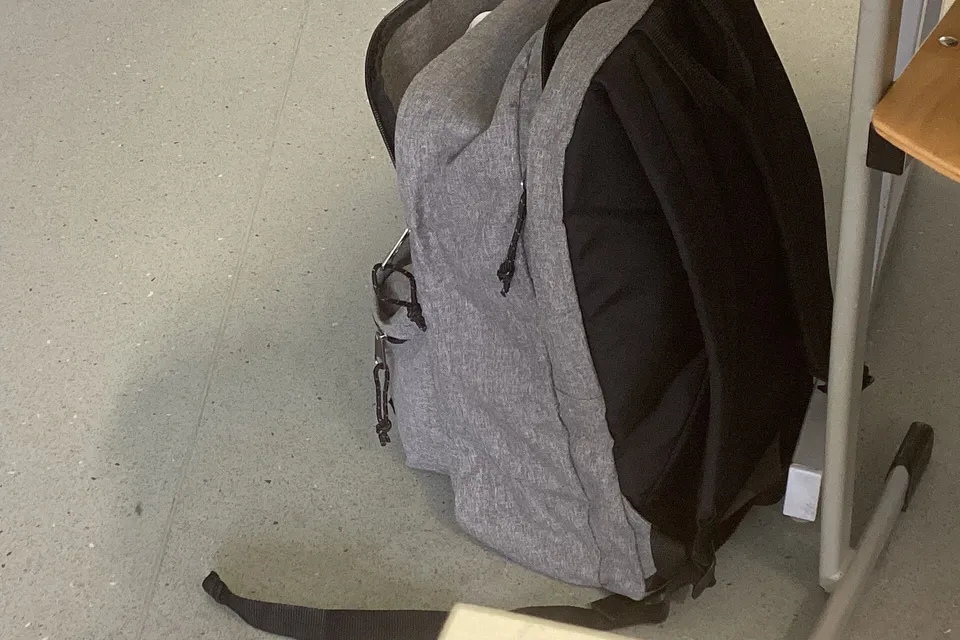
- Wear it: a backpack, cross-body bag, fanny pack, apron or vest with pockets.
- Roll it: a small rolling cart at home, or a rollator with a seat and basket if a therapist recommends one.
- Lighten the load: carry less, make more trips, use delivery and lidded travel mugs.
- Set it down: keep stations where items live (a basket on the stairs, a table by the door).
- Choose a cane that stands on its own, like the Ready Walker, so you can let go to use both hands for a moment.
General information, not medical advice. A physical or occupational therapist can suggest safe ways to carry items for your parent's balance and strength. In an emergency, call 911.
Using a cane takes one hand. Daily life often seems to need three: carrying coffee from the kitchen, bringing in the mail, taking laundry upstairs, holding a purse and a grocery bag at the same time. Many falls happen when older adults try to juggle items while walking, especially on stairs or uneven ground. A few smart habits and tools make carrying things much safer.
This guide explains why carrying items raises fall risk, which bags and tools work best with a cane, how to carry drinks, groceries and laundry, what to do on stairs and outdoors, how to set up the home to reduce carrying, and which cane features help.
Why is carrying things risky with a cane?
- Your free hand can't grab a handrail or catch you if you trip.
- Heavy or uneven loads shift your balance.
- Bags can block your view of the floor.
- Hooking bags on the cane makes it unstable.
- Rushing to carry everything in one trip increases mistakes.
Falls are common: the CDC reports that more than one in four older adults falls each year. See fall prevention.
Which bags work best with a cane?
| Bag | Best for | Tip |
|---|---|---|
| Backpack | Groceries, books, errands | Use both straps, keep it light |
| Cross-body bag | Wallet, phone, keys | Wear on the side opposite the cane |
| Fanny pack or belt bag | Small essentials | Easy to reach without letting go |
| Apron or vest with pockets | Around the house | Phone, glasses, remote, mail |
| Walker or rollator basket | If a therapist recommends a rollator | Don't overload |
How do you carry things around the house?
- Rolling kitchen cart: move plates, drinks and laundry between rooms, pushing it slowly.
- Lidded travel mugs: carry drinks without spills, in a pocket or bag.
- Apron pockets: keep phone and small items on you.
- Small loads: make more trips instead of one big one.
- Stations: keep things where they're used so you carry less.
Never lean on a rolling cart as if it were a walker unless it's designed for that.
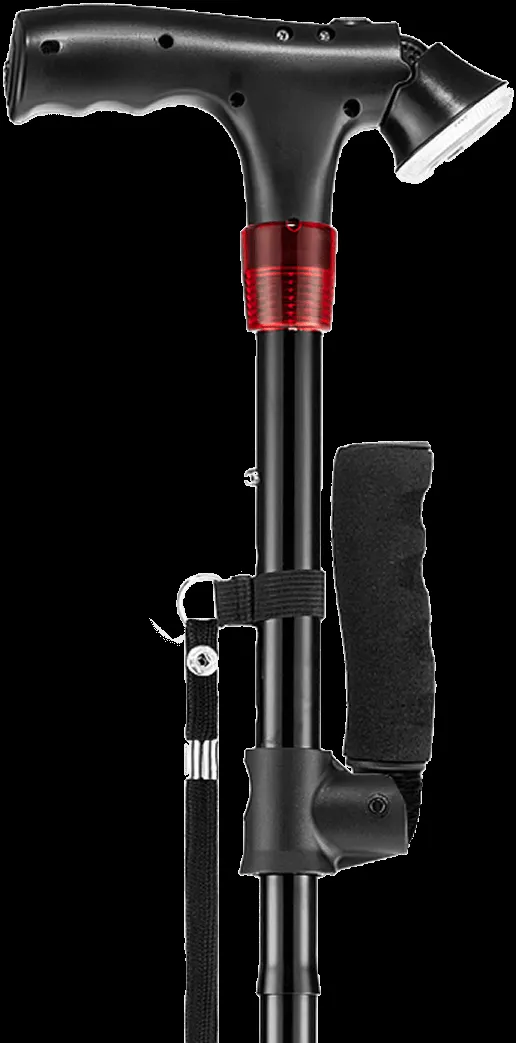
A cane that stands up while you use both hands
Ready Walker: self-standing folding cane with a pivoting base, second handle for standing up, LED light and alarm. Supports up to 300 lb. $59.99, ships from Ohio, 30-day guarantee.
Check today's price →$59.99 · ships from Ohio · 30-day guarantee
What about stairs?
Stairs are the riskiest place to carry things. Keep one hand on the handrail and the cane in the other, and carry items in a backpack or not at all. Leave a basket at the top and bottom of the stairs and move items in small, light loads, or ask someone to carry them. The American Academy of Orthopaedic Surgeons explains safe stair technique with a cane. See how to use a cane on stairs and stair safety.
How do you handle groceries?
- Use grocery delivery or curbside pickup.
- Use the shopping cart for support in the store if you're steady with it.
- Ask staff to pack light bags and help load the car.
- Bring groceries in one light bag at a time, or use a rolling cart from the car.
- Leave heavy items for family or neighbors to carry.
See nutrition for seniors living alone.
How do you manage laundry?
Use a small laundry basket with handles in a rolling cart, carry smaller loads or use a laundry bag worn as a backpack. If the washer is on another floor, consider moving it or asking for help on stairs.
How do you carry hot drinks?
Use a travel mug with a tight lid and carry it in a bag pocket, apron or cart. Don't carry hot drinks on stairs. A small table next to the favorite chair means the drink only needs a short trip.
What about outdoors and mail?
Bring a cross-body bag or backpack for the mail. On uneven ground, slopes or ice, keep both the cane and free hand ready for balance. Consider a mailbox closer to the door or ask the post office about options. See walking safety and how to walk on ice.
Which cane features help?
- Self-standing base: the cane stays upright when you let go to open a door or use both hands; see self-standing cane benefits.
- Wrist strap: keeps a regular cane from falling when you briefly let go.
- Built-in light: helps when your free hand can't hold a flashlight.
- Folding design: tuck it away when sitting.
How do you set up the home to carry less?
- Keep daily items at waist height near where they're used.
- Put a small table by the door for keys, mail and bags.
- Keep a second set of essentials upstairs and downstairs.
- Use a reacher to grab items instead of carrying a step stool.
See home modifications and daily living aids.
When is a walker better?
If your parent needs both hands for balance or regularly struggles to carry anything, a rollator with a seat and basket may be safer. Ask a physical therapist. See walker vs cane.
Why do we like the Ready Walker for daily tasks?
The Ready Walker is a self-standing folding cane with a four-point pivoting base, a second lower handle for standing up, a built-in LED light and a loud alarm. Because it stands on its own, your parent can let go briefly to open a door, put down a mug or unlock the car. It supports up to 300 lbs, costs $59.99, ships from Ohio and has a 30-day guarantee. Read our Ready Walker review.
What about purses and wallets?
Large shoulder bags slip off and swing, pulling you off balance. Switch to a small cross-body bag worn on the side opposite the cane, or a belt bag. Keep only essentials inside: phone, keys, wallet, glasses and medications. A lighter bag is easier to manage and less tempting to set down and forget. A keychain alarm clipped to the keys adds a quick way to get attention if needed.
How do you open doors while carrying things?
Doors are tricky with a cane and a bag. Set items down on a small table or shelf by the door first, open the door, then pick items back up, or carry them in a backpack so both the cane hand and free hand are available. Lever-style door handles are easier than round knobs. A self-standing cane can stand beside you while you unlock the door. Automatic or easy-close doors help too.
How do you move things in the kitchen?
Slide items along the counter instead of carrying them, keep frequently used items near where you use them, and sit on a stool to prepare food. A rolling cart moves plates to the table. Carry plates one at a time, close to your body. See kitchen safety for seniors.
What about walking a dog?
Walking a dog while using a cane can be risky if the dog pulls. Use a hands-free waist leash only with calm, well-trained dogs, choose short walks on even paths, or ask a neighbor or dog walker to help. A sudden pull is a common cause of falls.
How do you carry luggage when traveling?
Use a lightweight rolling suitcase with a long handle and pack light. Ask for airport assistance, use luggage carts, and let porters or family handle heavy bags. Keep a small backpack for essentials so your cane hand stays free. A folding cane fits under the seat on planes and buses. See holiday travel with elderly parents and folding vs regular cane.
How can family help?
During visits, notice what your parent carries most and where. Set up stations, add hooks by the door, move heavy items to lower shelves and leave a rolling cart in the kitchen. Offer to carry groceries and laundry, and gently remind your parent that making two trips is safer than one risky one.
With a few simple habits, your parent can keep doing everyday tasks independently and safely, one hand on the cane and one free for balance.
The bottom line
To carry things safely with a cane, keep one hand on the cane and one free for balance. Wear bags instead of holding them, use a rolling cart at home, carry smaller loads, avoid carrying on stairs and set up the home to reduce trips. A self-standing cane helps when you need both hands for a moment, and a walker may be better if carrying becomes too hard.
Our pick is the Ready Walker. Check today's Ready Walker price.
Sources
- Centers for Disease Control and Prevention. Older Adult Falls Data.
- American Academy of Orthopaedic Surgeons (OrthoInfo). How to Use Crutches, Canes and Walkers.
- Official Ready Walker product page, checked October 2026.
Frequently asked questions
How do you carry things while using a cane?
Wear a backpack or cross-body bag, use a rolling cart and carry smaller loads.
Can I hang a bag on my cane?
No, it can make the cane unstable.
How do I carry things on stairs with a cane?
Use the handrail and cane and carry items in a backpack, or not at all.
How do I carry hot drinks safely?
Use a lidded travel mug in a bag or cart.
What cane features help?
A self-standing base, wrist strap and built-in light.
When is a walker better?
If your parent needs both hands for balance or struggles to carry anything.

Laura Bennett
Laura Bennett is the pen name of the Aging Parents at Home editorial team at Iqueda Media LLC. We write for adult children who want to help their aging parents stay safe and independent at home. The team researches daily-living and safety products, reads the official guidance from public health and safety organizations, and checks prices, policies and buyer feedback. We are not doctors, nurses or physical therapists. Her guides are built on official public health and safety guidance, manufacturer information, checkout and return policies, and buyer feedback, and are updated when offers change. More about Laura.