
- Time off: offer to cover a shift, or gift a few hours of respite care.
- Practical help: meal delivery, housecleaning, grocery delivery or yard work.
- Self-care: a massage, a comfortable robe, a good book or a quiet afternoon.
- Peace of mind: safety tools for the person they care for, like a loud personal alarm such as HaloSiren.
- Connection: a lunch out with friends, a phone call, a heartfelt note.
General information, not medical advice. If a caregiver is overwhelmed, the Eldercare Locator (eldercare.acl.gov) can help find local support. In an emergency, call 911.
Family caregivers do an enormous amount of unseen work: managing medications, driving to appointments, cooking, cleaning, handling paperwork and providing comfort, often while juggling jobs and their own families. Many feel exhausted and rarely ask for help. A thoughtful gift can lighten the load, offer a moment of rest or simply show that someone notices. This guide shares gift ideas for caregivers, from practical help to self-care, plus how to offer support they'll actually accept.
Why do caregivers need support?
Caregiving can affect physical and emotional health, sleep and finances. The National Institute on Aging encourages caregivers to accept help and take care of themselves. Caregiver burnout is real; see caregiver burnout.
Why is time the best gift?
Most caregivers say what they need most is a break. Offer to stay with their loved one for an afternoon, cover a regular weekly shift or pay for a few hours of professional respite care. Write it on a card with specific dates so it actually happens.
Which practical gifts help most?
| Gift | Why it helps |
|---|---|
| Meal delivery or homemade frozen meals | One less job every day |
| Housecleaning service | Frees time and energy |
| Grocery or pharmacy delivery credit | Fewer errands |
| Yard work or snow removal | Seasonal chores handled |
| Rides to appointments | Saves hours of driving |
| Help with paperwork or insurance calls | Reduces stress |
What self-care gifts are thoughtful?
- A massage or spa gift card (with time covered to use it).
- A cozy robe, slippers or blanket.
- An audiobook subscription for drives and waiting rooms.
- A journal and nice pen.
- A favorite coffee or tea and a travel mug.
- A class or hobby they've put aside.
How can safety gifts give peace of mind?
Caregivers worry constantly when they're not with their loved one. Simple safety tools can ease that worry. A loud personal alarm lets an older parent get attention from people nearby. HaloSiren is a keychain alarm with a 130 dB siren and LED strobe activated by one pull. It's rechargeable, water resistant and has no app or monthly fee. It doesn't call 911 or detect falls, so it complements a phone or medical alert service. Read our HaloSiren review and safety devices for elderly living alone.
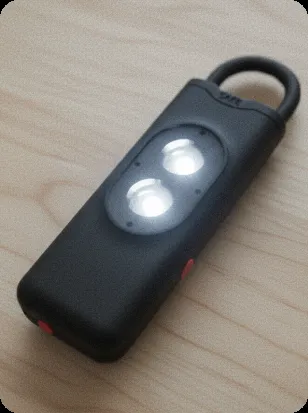
Peace of mind for the person they care for
HaloSiren: 130 dB siren and LED strobe with one pull. Rechargeable, no app, no monthly fee. About $17.99 each in multi-packs, 90-day guarantee.
Check today's price →$29.99, or 5 for $89.97 · 90-day guarantee
Which caregiving tools make life easier?
- A large weekly pill organizer.
- A shared family calendar app set up for them.
- A cane with a second handle for helping their loved one stand; see Ready Walker review.
- Jar openers and easy-grip kitchen tools; see jar openers for seniors.
- Motion night lights for the home.
How can you help them stay connected?
Caregiving can be isolating. Take them out to lunch while you cover care, invite them to a movie, organize a friends' night or simply call regularly to listen. A handwritten note acknowledging their work can mean a lot.
What if you live far away?
Send meal or grocery deliveries, pay for a cleaning service, handle online tasks like scheduling and bills, and call the caregiver, not just the parent. See long-distance caregiving and caregiving plan.
How can siblings share the load?
A sibling who isn't the main caregiver can give the best gift of all: a fair share of the work. Agree on specific tasks and schedules. The National Institute on Aging offers tips on sharing caregiving responsibilities.
What should you avoid?
- Vague offers like "let me know if you need anything."
- Gifts that create more work, like items needing assembly.
- Advice about how they should do things.
- Gift cards they'll never have time to use without coverage.
How much does HaloSiren cost?
HaloSiren is $29.99 for one, $59.99 for three and $89.97 for five (about $17.99 each), with a 90-day guarantee.
What is respite care?
Respite care is short-term care that gives the main caregiver a break. It can be a home care aide for a few hours, an adult day program or a short stay in a care community. Local Area Agencies on Aging can help find options, and some programs offer financial help. A gift of a few hours of paid respite can be life-changing for an exhausted caregiver.
How do you make a "help coupon" that gets used?
Instead of a vague offer, write specific coupons: "Every other Tuesday afternoon I'll stay with Mom," "I'll drive Dad to his appointments in January" or "I'll cook dinner every Sunday." Put dates in the calendar right away.
Are there gift ideas for male caregivers?
Husbands and sons caring for loved ones often get overlooked. Time off for a game, a fishing trip, a hobby or coffee with friends, plus practical help with cooking and cleaning, are welcome gifts.
What about a spouse caregiver?
Older spouses caring for a partner may be dealing with their own health issues. Practical help, respite and checking on their health are especially important. Make sure they keep their own doctor appointments.
What are small gifts that still mean a lot?
- A thank-you card listing specific things you appreciate.
- Their favorite snack dropped off.
- A playlist for the car.
- A cozy pair of socks.
- A text saying, "I'm thinking of you."
Where can caregivers find ongoing support?
Support groups, online communities and local agencies help caregivers feel less alone. The Eldercare Locator connects families to local services.
How can employers and coworkers help?
Flexible hours, covering a shift or simply understanding last-minute appointments can be a huge gift to working caregivers. If you're a coworker, a meal or a kind word goes a long way.
Can technology gifts help?
A shared calendar, medication reminder app, video doorbell at the parent's home or a smart speaker for reminders can save caregivers time and worry. Offer to set them up; tech that needs hours of setup isn't a gift. See check on an elderly parent remotely.
What about the holidays specifically?
Holidays add pressure for caregivers. Offer to host, cook, shop for gifts, handle decorations or stay with their loved one so they can attend an event. See Thanksgiving with elderly parents.
How can you support the caregiver's health?
Encourage regular checkups, sleep and exercise, and offer coverage so they can attend their own appointments. Caregivers often neglect their own health.
What's a quick list of top gifts?
- A scheduled afternoon off.
- Meal delivery for a month.
- A housecleaning visit.
- A massage with care coverage.
- Safety tools for their loved one.
- A heartfelt thank-you note.
Can pet care be a gift?
Walking the dog, cleaning the litter box or paying for pet sitting takes one more daily task off a caregiver's list. It's especially helpful when caregivers care for both a parent and their own home.
What about financial help?
Caregiving often costs money: transportation, supplies, home modifications and lost work hours. If you can, contributing to specific costs, like grab bars or a few weeks of home care, is a meaningful gift. Talk openly with siblings about sharing costs fairly.
How do you ask what would help?
Ask specific questions: "What's the hardest part of your week?" or "Which day could I take over?" Listen without judging and follow through on what they say.
What's the takeaway?
The best gifts for caregivers lighten their load and remind them they're seen and appreciated.
How do you know a caregiver needs help now?
Watch for exhaustion, irritability, withdrawing from friends, health problems, trouble sleeping or saying they feel trapped. These are signs to step in with real help, not just gifts. Encourage them to talk to a doctor and connect with caregiver support services.
Are gift cards a good idea?
Gift cards for restaurants that deliver, grocery services, rideshares or a favorite store can be very useful, especially when paired with an offer to cover care while they use them.
How can kids and teens help?
Grandchildren can visit, read to grandparents, help with tech, walk the dog or make cards. Teens can mow lawns or shovel snow. Their involvement gives the caregiver a break and builds family bonds.
Why does a simple thank-you matter?
Caregivers rarely hear thanks. Naming specific things they do, like "You never miss Dad's appointments," can be deeply encouraging.
What gifts help over the long term?
A monthly cleaning visit, a standing weekly meal or a regular respite day give lasting relief, far beyond a one-time present.
The bottom line
The best caregiver gifts give time off, practical help, self-care and peace of mind. Make offers specific, follow through and remember to care for the caregiver.
For peace of mind about their loved one, our pick is HaloSiren. Check today's HaloSiren price.
Sources
- National Institute on Aging. Getting Started with Caregiving.
- National Institute on Aging. Sharing Caregiving Responsibilities.
- Eldercare Locator. eldercare.acl.gov.
Frequently asked questions
What is the best gift for a caregiver?
Time off, like covering a shift or paying for respite care.
What practical gifts help caregivers?
Meal delivery, housecleaning, grocery delivery and rides to appointments.
What is respite care?
Short-term care that gives the main caregiver a break.
How can I help a caregiver from far away?
Send deliveries, handle online tasks and call the caregiver regularly.
Are safety gifts good for caregivers?
Yes, tools like a personal alarm for their loved one can ease worry.
Where can caregivers find support?
The Eldercare Locator can connect families to local services.

Laura Bennett
Laura Bennett is the pen name of the Aging Parents at Home editorial team at Iqueda Media LLC. We write for adult children who want to help their aging parents stay safe and independent at home. The team researches daily-living and safety products, reads the official guidance from public health and safety organizations, and checks prices, policies and buyer feedback. We are not doctors, nurses or physical therapists. Her guides are built on official public health and safety guidance, manufacturer information, checkout and return policies, and buyer feedback, and are updated when offers change. More about Laura.