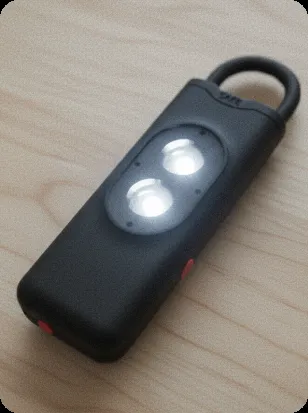
- Getting help: a cell phone always within reach, a loud personal alarm like HaloSiren, and a monitored medical alert if fall risk is high.
- Falls: grab bars, motion-sensor night lights, non-slip mats, a stable cane or walker.
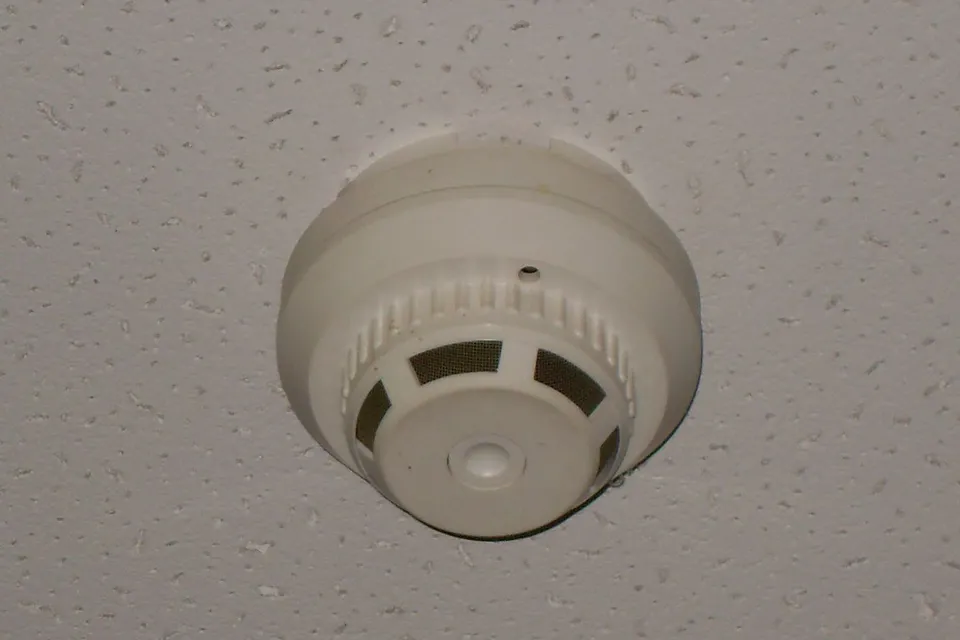
- Fire and gas: working smoke and carbon monoxide alarms, a stove shut-off device, a small fire extinguisher.
- Daily life: automatic pill dispensers, a video doorbell, easy-grip tools like a jar opener.
General information, not medical advice. In an emergency, call 911. A personal siren alarm like HaloSiren doesn't call 911 or detect falls.
When an older parent lives alone, small devices can make a big difference in safety and independence. The right setup helps prevent falls, makes it easier to call for help, protects against fires and gas leaks and supports daily routines like taking medications. The challenge is choosing the devices that matter most for your parent without filling the house with gadgets they won't use.
This guide groups safety devices by the risks they address, explains what each one does, suggests a starter kit and an upgraded kit, gives tips for installation and getting your parent on board, and lists free or low-cost resources.
Which devices help your parent get help?
| Device | What it does | Notes |
|---|---|---|
| Cell phone | Calls 911 and family | Keep it in a pocket, not on the counter |
| Personal siren alarm | Loud siren and light for people nearby | No monthly fee; doesn't call 911 |
| Monitored medical alert | Button connects to a call center | Monthly fee; some detect falls |
| Smart speaker | Voice calls to contacts | Needs Wi-Fi and setup |
See personal alarm vs medical alert and the best personal alarm.
Which devices help prevent falls?
The CDC reports that more than one in four older adults falls each year. Helpful devices include:
- Grab bars by the toilet and in the shower.
- Motion-sensor night lights from bedroom to bathroom.
- Non-slip mats in the tub and shower, and rubber-backed rugs.
- Raised toilet seat and shower chair.
- Stair handrails on both sides.
- A stable cane or walker chosen with a doctor or physical therapist.
See bathroom safety, nighttime fall prevention and home modifications.
Which devices protect against fire and gas?
- Smoke alarms on every level and outside bedrooms; test monthly.
- Carbon monoxide alarms near bedrooms and fuel-burning appliances.
- Stove shut-off devices that turn off the stove if left on.
- A small fire extinguisher in the kitchen your parent can use.
- Alarms with flashing lights or bed shakers for parents with hearing loss.
See fire safety for seniors and kitchen safety.
A loud alarm for every room
HaloSiren keychain alarm: 130 dB siren and flashing light with one pull. Rechargeable, no app, no monthly fee. $29.99, or 5 for $89.97, with a 90-day guarantee.
Check today's price →$29.99, or 5 for $89.97 · 90-day guarantee
Which devices support daily routines?
- Automatic pill dispensers with alarms and locked compartments.
- Large-button phones and photo speed dial.
- Video doorbells to see visitors before opening.
- Easy-grip tools, like an adjustable jar opener; see jar openers for seniors.
- Reachers to avoid climbing on stools.
- Big-display clocks showing day and date.
See daily living aids.
What's a good starter kit?
- Cell phone with emergency contacts, carried at all times.
- A personal siren alarm on the keychain and one by the bed.
- Motion-sensor night lights along the night path.
- Grab bars in the bathroom.
- Working smoke and carbon monoxide alarms.
- A pill organizer.
This covers the biggest risks for a modest cost.
What's an upgraded kit?
- A monitored medical alert with fall detection.
- Stove shut-off device.
- Automatic pill dispenser.
- Video doorbell and smart locks for trusted family.
- Smart speaker for voice calling.
- Door and motion sensors that show normal activity.
How do you install and set up devices?
- Have grab bars installed into studs by a professional or handy family member.
- Put night lights in outlets along the path from bed to bathroom.
- Test smoke and CO alarms when you install them and monthly after.
- Set up phones and speakers with large-font contacts.
- Write simple instructions and tape them near devices.
How do you get your parent to use them?
Choose devices together, start with a few, and focus on how they support independence. A cheap siren alarm or night lights are easy first steps. Avoid cameras inside the home unless your parent agrees. See when a parent insists on living alone.
Are there free or low-cost resources?
Many local fire departments install smoke alarms for free. Area Agencies on Aging may offer home safety assessments or help paying for grab bars and ramps. The Eldercare Locator can connect you with local programs. Occupational therapists can recommend devices; see occupational therapy for seniors.
What about power outages?
Keep battery-powered lights, a charged phone power bank and backup batteries for devices. Make sure alarms have battery backup. See power outage plan for seniors.
Why include HaloSiren?
HaloSiren is a keychain alarm with a 130 dB siren and flashing LED light. Your parent pulls the pin and people nearby hear it. It's rechargeable, needs no app and has no monthly fee. It costs $29.99, or 3 for $59.99, or 5 for $89.97, so it's easy to keep one in the bedroom, bathroom and on the keys. It doesn't call 911 or detect falls. Read our HaloSiren review.
What does a room-by-room setup look like?
| Room | Key devices |
|---|---|
| Bedroom | Lamp within reach, night light, siren alarm and phone on the nightstand, smoke alarm outside the door |
| Bathroom | Grab bars, non-slip mat, shower chair, raised toilet seat, alarm within reach |
| Kitchen | Stove shut-off, fire extinguisher, jar opener, items stored at waist height |
| Living room | Clear walkways, sturdy chair with arms, cords out of the way |
| Stairs and halls | Handrails on both sides, bright lighting, switches at top and bottom |
| Entry | Video doorbell, lockbox for a spare key, good outdoor lighting |
How do you prioritize on a budget?
If money is tight, focus on low-cost, high-impact items first: night lights, non-slip mats, a personal alarm and making sure smoke alarms work. Grab bars are next, as they help in the room where many falls happen. Expensive devices like monitored systems and smart home setups can come later if needed. Many communities have programs that help pay for home safety changes.
How often should you review the setup?
Review your parent's devices every few months and after any change in health, a fall or a hospital stay. Replace batteries, check that alarms work, and ask your parent what's helpful and what isn't. Needs change over time, and the setup should change with them. See aging in place checklist.
Which devices help outside the home?
Many risks happen outside: slippery steps, dark driveways and walks around the neighborhood. Motion-sensor outdoor lights, a sturdy railing on entry steps, a mat that doesn't slide and a keychain alarm for walks all help. In winter, a bag of ice melt by the door and shoes with good traction make a difference. A cane with a light can help on evening walks. See walking safety for seniors and how to walk on ice.
How do mobility aids fit in?
For parents who feel unsteady, a well-fitted cane or walker is one of the most important safety devices. Some canes stand on their own so they don't fall over, have a second handle to push up from a chair, or include a light for nighttime. Ask a doctor or physical therapist which aid fits your parent's balance and strength. See the best cane for seniors and walker vs cane.
What about parents with memory problems?
For parents with memory loss, simple devices work best. Stove shut-off devices, automatic pill dispensers, door chimes that alert when an outside door opens and medical alerts with fall detection can add safety. Labels and pictures on cabinets help. Talk to their doctor about how much support they need, since some situations call for more in-person care than devices can provide.
How do devices help with scams?
A video doorbell lets your parent see who's there before opening, and call-blocking features on phones can reduce scam calls. Talk regularly about common scams and agree that your parent will call you before paying anyone who calls unexpectedly. See scams targeting the elderly.
What's a quick safety device checklist?
- Phone with emergency contacts, carried at all times.
- Personal siren alarm on keys and by the bed.
- Monitored medical alert if fall risk is high.
- Night lights from bedroom to bathroom.
- Grab bars and non-slip mats in the bathroom.
- Working smoke and carbon monoxide alarms.
- Stove shut-off device if forgetfulness is a concern.
- Pill organizer or dispenser.
- A well-fitted cane or walker if needed.
Print this list and check items off during your next visit.
A few well-chosen devices can help your parent stay safe and independent at home for longer.
The bottom line
For a parent living alone, start with devices that address the biggest risks: a phone they always carry, a loud personal alarm, night lights, bathroom grab bars and working smoke and CO alarms. Add a monitored medical alert, stove shut-off, pill dispenser and other tools as needs grow. Choose together, install carefully and review the setup regularly.
For a simple, affordable alarm, our pick is HaloSiren. Check today's HaloSiren price.
Sources
- Centers for Disease Control and Prevention. Older Adult Falls Data.
- Administration for Community Living. Eldercare Locator.
- Official HaloSiren product page and FAQ, checked October 2026.
Frequently asked questions
What safety devices does an elderly person living alone need?
A phone always within reach, a personal alarm, night lights, grab bars and working smoke and CO alarms.
Is a medical alert necessary?
For parents at high fall risk who live alone, it adds important protection.
What's in a starter safety kit?
Phone, siren alarm, night lights, grab bars, smoke and CO alarms and a pill organizer.
Are there free safety resources?
Many fire departments install smoke alarms for free; Area Agencies on Aging may help with home safety.
How do I get my parent to use the devices?
Choose together, start small and focus on independence.
Does HaloSiren detect falls?
No, it's a loud local alarm that alerts people nearby.

Laura Bennett
Laura Bennett is the pen name of the Aging Parents at Home editorial team at Iqueda Media LLC. We write for adult children who want to help their aging parents stay safe and independent at home. The team researches daily-living and safety products, reads the official guidance from public health and safety organizations, and checks prices, policies and buyer feedback. We are not doctors, nurses or physical therapists. Her guides are built on official public health and safety guidance, manufacturer information, checkout and return policies, and buyer feedback, and are updated when offers change. More about Laura.