
- Light the way: motion-sensor night lights from bed to bathroom and in hallways.
- Keep essentials within reach: phone, glasses, water, flashlight and a personal alarm by the bed.
- Lock up: doors and windows locked, outdoor lights on a timer or motion sensor.
- Plan for emergencies: a medical alert service for 24/7 help, plus a loud alarm to scare off intruders or alert neighbors.
- Check in: an evening call or text routine.
General information, not medical or security advice. In an emergency, call 911.
Nights can be the most vulnerable time for older adults who live alone. Trips to the bathroom in the dark raise the risk of falls, medications can cause grogginess, and worries about intruders can make it hard to sleep. Families often lie awake wondering what would happen if something went wrong. A few practical changes can make nights much safer and calmer for everyone. This guide covers lighting, fall prevention, security, emergency plans and check-in routines.
What are the main nighttime risks?
- Falls on the way to the bathroom, especially in the dark.
- Dizziness when getting up quickly from bed.
- Not being able to call for help after a fall.
- Break-ins or suspicious noises.
- Fire or carbon monoxide.
The CDC reports more than one in four older adults falls each year. See night-time fall prevention.
How should you light the home at night?
| Where | Lighting |
|---|---|
| Bedside | Lamp within reach or touch lamp |
| Bedroom to bathroom | Motion-sensor night lights along the path |
| Bathroom | Night light that stays on |
| Hallways and stairs | Plug-in or battery motion lights; switches at both ends |
| Entryways and outside | Motion-sensor or timer lights |
What should be on the nightstand?
- Charged phone.
- Glasses.
- Water.
- Flashlight.
- Personal alarm.
- List of emergency numbers.
How should your parent get up at night?
- Turn on the light before moving.
- Sit on the edge of the bed for a moment.
- Stand slowly and pause before walking.
- Use a cane or walker if they normally do.
- Walk a clear, lit path to the bathroom.
See how to stand up safely and dizziness when standing up.
How does a personal alarm help at night?
A loud personal alarm can scare off an intruder and alert neighbors, or draw attention if your parent needs help and someone is nearby. HaloSiren is a keychain alarm with a 130 dB siren and LED strobe activated by a pull. It's rechargeable, water resistant and has no app or monthly fee. It doesn't call 911, detect falls or connect to a monitoring center, so it works best alongside a phone and, for people at higher risk, a medical alert service. Read our HaloSiren review and personal alarm vs medical alert.
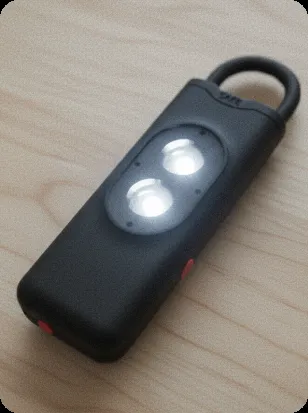
A loud alarm on the nightstand
HaloSiren: 130 dB siren and LED strobe with one pull. Rechargeable, no app, no monthly fee. About $17.99 each in multi-packs, 90-day guarantee.
Check today's price →$29.99, or 5 for $89.97 · 90-day guarantee
When is a medical alert system needed?
If your parent has fallen before, has health conditions that could cause sudden problems or would struggle to reach a phone, a monitored medical alert system with 24/7 response and possibly fall detection may be important. See medical alert without a monthly fee and safety devices for elderly living alone.
How do you secure the home?
- Lock doors and windows at night; consider easy-to-use deadbolts.
- Install motion lights outside.
- Use a video doorbell so your parent doesn't open the door to strangers.
- Keep a spare key with a trusted neighbor, not under the mat.
- Close curtains in the evening.
See home security for seniors.
How do you protect against fire and carbon monoxide?
Install smoke and carbon monoxide alarms on every level and near bedrooms, test them monthly and replace batteries yearly. Consider alarms with strobe lights or bed shakers for people with hearing loss. Plan an escape route. See fire safety for seniors.
What check-in routine works?
A short evening call or text ("Good night, I'm locked up") reassures everyone. If your parent doesn't respond, have a plan: call a neighbor or another family member to check. See daily check-in ideas and checking on a parent remotely.
Can medications affect nighttime safety?
Sleep aids and some other medications can cause grogginess and unsteadiness at night. Review medications with the doctor or pharmacist. The National Institute on Aging offers tips on taking medicines safely. See medications that cause falls.
How much does HaloSiren cost?
HaloSiren is $29.99 for one, $59.99 for three and $89.97 for five (about $17.99 each), with a 90-day guarantee.
How do you make nighttime bathroom trips safer?
- Clear the path of rugs, cords and clutter.
- Install grab bars by the toilet.
- Use a raised toilet seat if needed.
- Consider a bedside commode if trips are frequent and risky.
- Keep a night light in the bathroom.
See bathroom safety for seniors.
How can your parent sleep better?
A regular bedtime, a dark and cool room, limited caffeine in the afternoon and fewer fluids late in the evening can reduce night wakings. Ask the doctor about frequent nighttime urination, which may be treatable.
What should your parent do if they hear a noise?
Stay in the bedroom, turn on lights, call 911 if they suspect an intruder and activate a loud alarm. Never go to investigate alone. A phone charged by the bed is essential.
Can pets help at night?
Pets offer companionship and a dog may bark at strangers, but pets can also be a trip hazard in the dark. Use night lights and teach pets to sleep in their own bed.
What if the power goes out?
Keep flashlights (not candles) by the bed and in the kitchen, plus a charged power bank for the phone. See power outage plan for seniors.
Should neighbors be involved?
Yes. A trusted neighbor with a spare key and your phone number can check in quickly if your parent doesn't answer. Exchange numbers and agree on a signal, like a porch light.
Can technology help at night?
Smart speakers can turn on lights and call family by voice, video doorbells show who's at the door, and some systems notify family if there's no activity in the morning. Choose simple, reliable tools and set them up together. See check on an elderly parent remotely.
What about a parent with dementia?
Night wandering can be dangerous. Door alarms, secure locks and nightlights help, but a parent with dementia may need more supervision than living alone allows. Talk to the doctor and consider care options. See signs an elderly parent needs help.
What's a good bedtime routine?
- Lock doors and check windows.
- Turn on night lights.
- Place phone, glasses, water and alarm by the bed.
- Take medications as prescribed.
- Send a good-night message to family.
What if your parent has hearing loss?
Choose smoke and CO alarms with strobe lights or bed shakers, a doorbell with a flashing light and a phone with a loud ringer. They may not hear knocks or alarms otherwise.
Should windows be locked at night?
Yes, especially ground-floor windows. Make sure your parent can still open them quickly in a fire, and that locks aren't too hard for arthritic hands.
How can families feel more at ease?
A simple plan, working devices and a reliable check-in routine bring peace of mind to both your parent and you. Revisit the plan every few months as needs change.
What's the takeaway?
Light the path, keep help within reach, lock up and check in every night.
What mistakes should you avoid?
- Leaving the phone in another room overnight.
- Walking to the bathroom in the dark.
- Getting up too quickly.
- Answering the door to strangers at night.
- Forgetting to test smoke and CO alarms.
Where should the alarm be kept?
On the nightstand at night and on the keychain or walker during the day, so it's always within reach. Charge it regularly.
What about evenings out?
Arrange rides home, park in lit areas and carry a phone and personal alarm. See walking safety for seniors.
Should the bedroom be kept warm?
A comfortable bedroom temperature supports sleep and reduces stiffness when getting up. Older adults can be sensitive to cold, so check that heating works well before winter and keep an extra blanket within reach. Avoid space heaters near bedding. See winter safety for seniors.
Do glasses matter at night?
Yes. Putting glasses on before getting up helps your parent see obstacles and steps. Keep them in the same spot on the nightstand every night.
How often should you review the plan?
Every few months, or after any fall, illness or change in medication.
Why do cords matter at night?
Phone chargers and lamp cords near the bed are easy to trip over in the dark. Route them along walls or behind furniture.
Should lights be on a schedule?
Timers on a lamp or two make the home look occupied in the evening and mean your parent never walks into a dark room after sunset. Smart bulbs can be scheduled from a phone by family too.
The bottom line
Safer nights come from good lighting, essentials within reach, careful getting up, locked doors, working alarms and a check-in routine. Keep a phone and a loud alarm by the bed, and add a monitored medical alert if your parent's risk is higher.
For a loud alarm by the bed, our pick is HaloSiren. Check today's HaloSiren price.
Sources
- Centers for Disease Control and Prevention. Older Adult Falls Data.
- National Institute on Aging. Taking Medicines Safely as You Age.
- Official HaloSiren product page, checked October 2026.
Frequently asked questions
How can seniors living alone stay safe at night?
Good lighting, essentials by the bed, locked doors, working alarms and a check-in routine.
What should be on a senior's nightstand?
Phone, glasses, water, flashlight and a personal alarm.
How do I prevent nighttime falls?
Use motion night lights, clear the path and get up slowly.
Does a personal alarm help at night?
A loud alarm can scare off intruders and alert neighbors; it doesn't call 911.
When does my parent need a medical alert system?
If they've fallen before or have conditions that could cause sudden problems.
What check-in routine works?
A short evening call or text, with a backup plan if they don't respond.

Laura Bennett
Laura Bennett is the pen name of the Aging Parents at Home editorial team at Iqueda Media LLC. We write for adult children who want to help their aging parents stay safe and independent at home. The team researches daily-living and safety products, reads the official guidance from public health and safety organizations, and checks prices, policies and buyer feedback. We are not doctors, nurses or physical therapists. Her guides are built on official public health and safety guidance, manufacturer information, checkout and return policies, and buyer feedback, and are updated when offers change. More about Laura.