
- Puzzles: large-piece jigsaw puzzles.
- Crafts: knitting, crochet, beading, coloring and painting.
- Cards and games: playing cards, dominoes, board games.
- Kitchen tasks: kneading dough, shelling peas, rolling meatballs.
- Therapy putty and stress balls for gentle hand strength.
- Gardening: potting plants and pulling weeds.
General information, not medical advice. An occupational therapist can recommend activities suited to your parent's hands. In an emergency, call 911.
Buttoning a shirt, writing a card, using a phone and opening a pill bottle all depend on fine motor skills: small, precise movements of the hands and fingers. With age, arthritis, stroke or Parkinson's, these skills can decline, making daily life frustrating. Regular activities that use the hands can help maintain dexterity, and many are enjoyable hobbies too. This guide shares fine motor activities for seniors, from crafts and games to kitchen tasks, plus tools that help when tasks get too hard.
What are fine motor skills?
Fine motor skills use the small muscles of the hands, fingers and wrists, working with the eyes, to grasp, pinch, twist and manipulate objects. They're needed for dressing, eating, writing, using a phone and handling medications.
Why do fine motor skills decline?
- Arthritis causing pain and stiffness.
- Reduced muscle strength and slower nerve signals with age.
- Conditions like stroke, Parkinson's or neuropathy.
- Less use of the hands in daily life.
See weak hands in the elderly.
Which activities help most?
| Activity | Skills used | Tips |
|---|---|---|
| Jigsaw puzzles | Pinch grip, hand-eye coordination | Start with large pieces (100 to 300) |
| Knitting and crochet | Finger dexterity, coordination | Use larger needles and soft yarn |
| Playing cards | Shuffling, holding, sorting | Use a card holder if gripping is hard |
| Coloring and painting | Grip, control | Thick pencils or foam grips |
| Beading | Pinch, precision | Large beads and thick cord |
| Kneading dough | Hand strength | Warm dough is easier |
| Gardening | Grip, pinch | Raised beds, ergonomic tools |
| Therapy putty | Grip and pinch strength | Choose soft resistance |
What hand exercises help?
Simple daily exercises like making a gentle fist, touching each fingertip to the thumb, finger spreads and wrist circles keep hands flexible. The Arthritis Foundation describes hand exercises for arthritis. See hand exercises for arthritis and grip strength exercises.
Can everyday tasks count?
Yes. Folding laundry, buttoning, writing letters, sorting coins, peeling oranges and setting the table are all practice. Encourage your parent to do what they can rather than doing it for them.
When should tools take over?
Some tasks are frustrating or painful even with practice. Using a tool for those tasks preserves energy and independence. A lever-style jar opener, easy-grip utensils, button hooks and zipper pulls are examples. The Arthritis Foundation recommends self-help devices to protect joints.
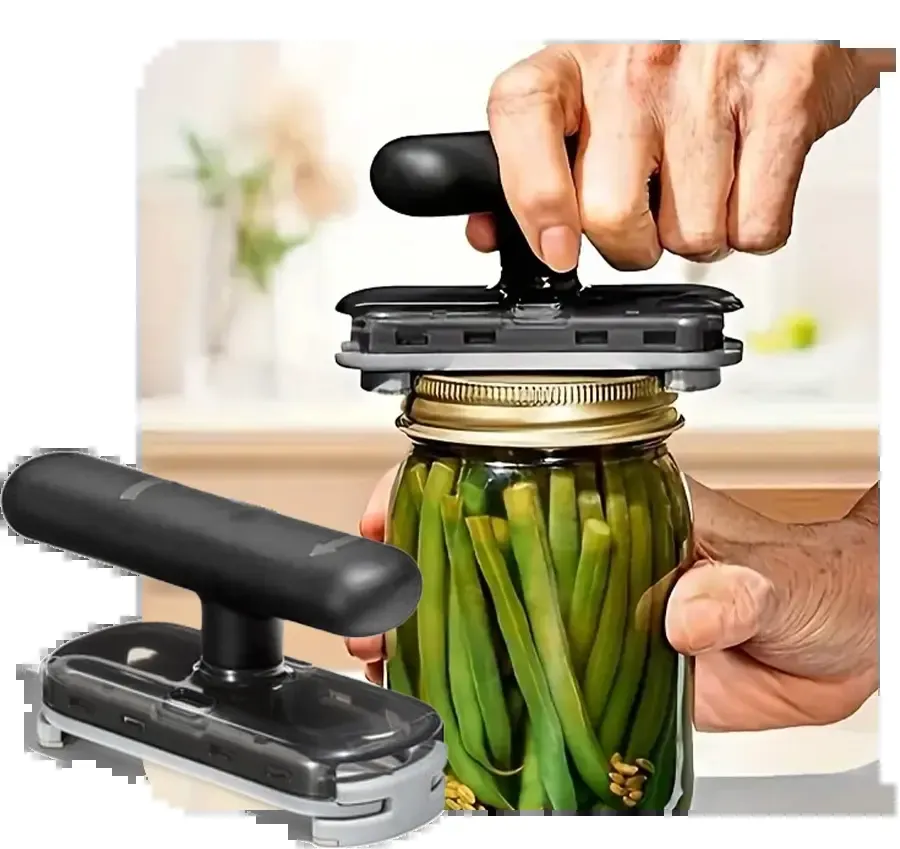
Let a tool handle the hardest grip
Cap Crack adjustable jar and bottle opener: no batteries, ergonomic handle for leverage, made for arthritis and weak grip. $29.99, or from $19.99 each in bundles, with a 90-day guarantee.
Check today's price →$29.99, or from $19.99 each in bundles
How does Cap Crack fit in?
Twisting jar lids needs strong grip and wrist rotation, often the hardest task for weak hands. Cap Crack is an adjustable opener that uses leverage through an ergonomic handle, so your parent can open jars and bottles without straining. It needs no batteries. Read our Cap Crack review and how to open a jar with weak hands.
Why make it social?
Group activities like card games, craft circles and puzzle clubs combine hand practice with social connection, which matters for mental health. Senior centers and libraries often host them. See loneliness in elderly parents.
Does using a phone or tablet help?
Tapping, swiping and typing use fine motor skills too. Large-button settings, a stylus and simple games can make it easier and fun.
When should you see an occupational therapist?
If your parent has trouble with daily tasks like dressing, eating or handling medications, an occupational therapist can assess their hands and suggest exercises and tools. See occupational therapy for seniors.
How much does Cap Crack cost?
Cap Crack is $29.99 for one, $27.99 each for two, $25.99 each for three, $22.99 each for four and $19.99 each for five, with a 90-day guarantee.
Can playing music help?
Playing piano, guitar or other instruments exercises finger dexterity and coordination and is good for the mind. Even simple keyboard practice can be rewarding. Adjust for comfort if hands are painful.
Does handwriting help?
Writing letters, cards, journal entries or crossword answers uses fine control. Thicker pens or foam grips make writing more comfortable with arthritis.
How often should your parent do these activities?
A little every day is better than a lot once a week. Even 10 to 15 minutes of puzzles, crafts or hand exercises keeps fingers moving. Mix activities to keep it interesting.
What about seniors with dementia?
Simple, familiar activities like folding towels, sorting buttons, stringing large beads or using a fidget blanket can be calming and engaging. Choose tasks that feel purposeful, not childish.
What about after a stroke?
Recovery activities should follow the therapist's plan. Practicing everyday tasks with guidance often helps rebuild skills.
What gifts encourage fine motor activity?
Large-piece puzzles, knitting kits, adult coloring books, card holders and therapy putty make thoughtful gifts. See gifts for someone with arthritis and gifts for a 90-year-old.
Which cooking tasks are good practice?
- Kneading bread or pizza dough.
- Rolling meatballs or cookie dough.
- Shelling peas or snapping green beans.
- Decorating cookies with icing.
- Tearing lettuce for salad.
These tasks are useful, social and good for hands. Keep sharp knives and heavy lifting for others if needed.
How does gardening help?
Potting plants, pulling small weeds, planting seeds and arranging flowers use grip and pinch. Raised beds and ergonomic tools reduce bending and strain. Indoor herb gardens work in winter.
How do you avoid overdoing it?
Stop if an activity causes pain that lasts. Alternate hand-intensive tasks with rest, and warm hands before starting. Some soreness after new activities can be normal, but sharp pain isn't.
How can dressing become practice?
Encourage your parent to button and zip their own clothes, using button hooks and zipper pulls when needed. Choosing slightly larger buttons can make it easier while still providing practice.
Which games are best?
- Card games like rummy or solitaire.
- Dominoes.
- Checkers and chess.
- Jenga or stacking games.
- Bingo with daubers.
- Large-piece puzzles.
Choose oversized pieces and cards if vision or grip is limited.
How can grandchildren join in?
Puzzles, cookie decorating, card games and crafts are great intergenerational activities. Kids enjoy teaching and learning, and grandparents get hand practice and connection.
How do you adapt activities for arthritis?
Use larger tools, foam grips, card holders and lighter materials. Warm hands first and keep sessions short. The goal is enjoyment plus movement, not perfection.
How do you know it's helping?
Notice whether daily tasks like buttoning or writing feel a little easier over weeks. A therapist can measure grip strength and dexterity.
How do you use therapy putty?
Therapy putty comes in different resistances. Your parent can squeeze it, pinch it between fingers, roll it into a ball or pull it apart. Start with the softest resistance for a few minutes a day and increase only if comfortable. An occupational therapist can show specific exercises.
Are tablet apps helpful?
Some apps offer games that use tapping, dragging and pinching. They're a fun addition but don't replace activities using real objects, which build grip strength.
How do you keep your parent motivated?
Choose activities they enjoy, set small goals, celebrate finished puzzles or projects and do them together when you visit. Displaying finished crafts adds pride.
What simple craft projects work well?
- Making holiday cards with stickers and stamps.
- Stringing popcorn or cranberry garlands.
- Simple pottery or air-dry clay.
- Scrapbooking family photos.
- Paint-by-number kits with large sections.
Any safety tips for crafts?
Use blunt-tip scissors, keep small beads away from pets and grandchildren, work in good light and take breaks to rest eyes and hands.
Why do these skills matter for independence?
Fine motor skills are needed for managing medications, dressing, eating and communicating. Maintaining them helps older adults live at home safely for longer. See aging in place checklist.
Can fine motor practice help with pills?
Handling small pills and bottle caps needs fine control. Pill organizers with large, easy-open compartments help, and pharmacies can provide easy-open caps. See how to open a pill bottle.
What's the takeaway?
Keep hands busy with enjoyable activities every day, and use smart tools for the toughest tasks.
Are there seasonal activities?
In winter, puzzles, knitting and holiday crafts are cozy indoor options. In spring and summer, gardening and outdoor crafts are great. Rotating activities through the year keeps them fresh and engaging, and gives your parent something to look forward to.
Do senior centers offer programs?
Many do, including art classes, card clubs and exercise groups. Your local Area Agency on Aging can help find them.
Should hands be warmed up first?
Yes. A warm-water soak or gentle stretches make activities more comfortable.
The bottom line
Puzzles, crafts, card games, kitchen tasks and simple hand exercises help seniors maintain fine motor skills, and many are enjoyable hobbies. For the hardest tasks, smart tools keep your parent independent.
For jars and bottles, our pick is Cap Crack. Check today's Cap Crack price.
Sources
- Arthritis Foundation. Exercises to Help Hand Arthritis.
- Arthritis Foundation. Self-Help Devices for Arthritis.
- Official Cap Crack product page, checked October 2026.
Frequently asked questions
What are fine motor activities for seniors?
Puzzles, knitting, card games, coloring, kneading dough, gardening and hand exercises.
Why do fine motor skills decline with age?
Arthritis, weaker muscles, slower nerve signals and some conditions like stroke.
How often should seniors do hand activities?
A little every day, even 10 to 15 minutes.
What activities suit seniors with dementia?
Simple, familiar tasks like folding towels or sorting buttons.
Should seniors use tools for hard tasks?
Yes, tools like jar openers protect joints and support independence.
When should we see an occupational therapist?
If daily tasks like dressing or managing pills become hard.

Laura Bennett
Laura Bennett is the pen name of the Aging Parents at Home editorial team at Iqueda Media LLC. We write for adult children who want to help their aging parents stay safe and independent at home. The team researches daily-living and safety products, reads the official guidance from public health and safety organizations, and checks prices, policies and buyer feedback. We are not doctors, nurses or physical therapists. Her guides are built on official public health and safety guidance, manufacturer information, checkout and return policies, and buyer feedback, and are updated when offers change. More about Laura.