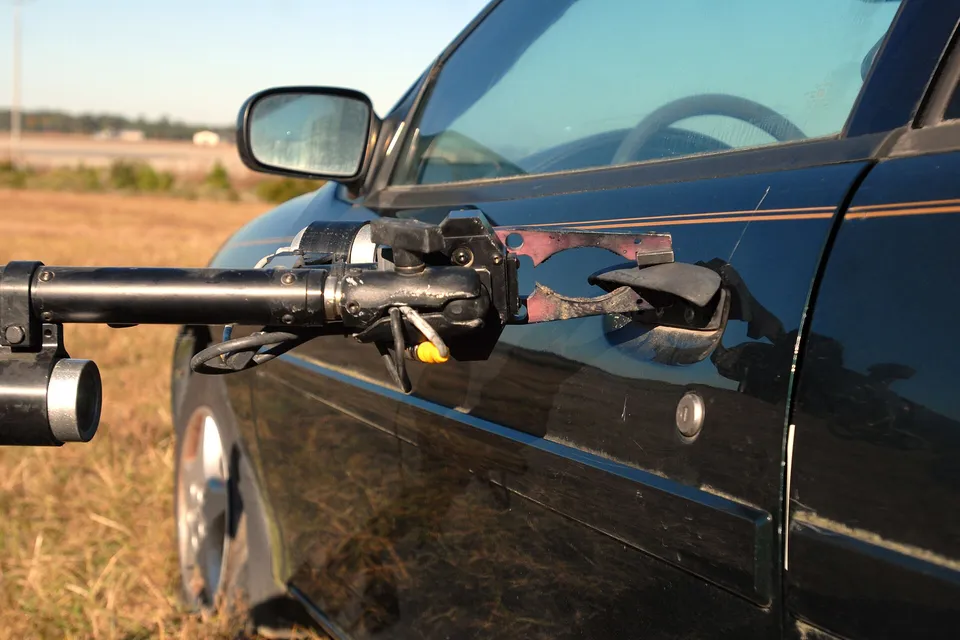
- Getting in: back up to the seat, sit down first, then swing both legs in together.
- Getting out: swing both legs out together, place feet flat on the ground, scoot forward, then push up with hands on the seat and door frame (not the door itself).
- Prepare the car: move the seat back, recline it slightly, park on flat ground away from curbs.
- Use aids: a portable car handle, a swivel cushion or a cane with a second handle.
General information, not medical advice. A physical or occupational therapist can teach safe car transfers for your parent's needs. In an emergency, call 911.
Getting in and out of a car is one of the trickiest everyday movements for older adults. It involves bending, twisting, ducking and balancing on one leg, often on uneven ground at a curb. After a hip or knee surgery, with arthritis or with weak leg muscles, it can feel risky or painful. With the right technique, a few simple tools and some car setup, car transfers become much easier and safer. This guide walks through step-by-step methods, helpful aids and tips for caregivers.
Why are car transfers hard?
- Low seats require deep bending at hips and knees.
- Twisting the body while stepping in can strain the back and hips.
- Balancing on one foot increases fall risk.
- Curbs, ice and uneven parking lots add hazards.
- Car doors move, so they're unstable to lean on.
How do you get into a car safely?
- Move the seat as far back as possible and recline it slightly.
- Open the door fully and park away from the curb on level ground if possible.
- Your parent walks close to the seat and turns so their back faces it.
- They hold the dashboard or a stable part of the frame (not the door) and lower slowly onto the seat.
- Duck the head carefully as they sit.
- Swing both legs in together, keeping knees together.
- Adjust position and fasten the seat belt.
How do you get out of a car safely?
- Park on flat ground with space to open the door fully.
- Unfasten the seat belt and move the seat back.
- Turn the body and swing both legs out together.
- Place both feet flat on the ground.
- Scoot forward to the edge of the seat.
- Push up with one hand on the seat and the other on a stable part of the frame or a car handle.
- Stand, pause for balance, then take the cane or walker.
Pausing after standing helps prevent dizziness; see dizziness when standing up.
Which aids make car transfers easier?
| Aid | How it helps |
|---|---|
| Portable car handle | Hooks into the door latch for a sturdy grip when standing |
| Swivel seat cushion | Makes turning easier |
| Plastic bag or slippery cushion on the seat | Reduces friction when swinging legs (remove before driving) |
| Leg lifter strap | Helps lift a stiff leg in and out |
| Cane with a second handle | Extra support when standing up |
See daily living aids for seniors.
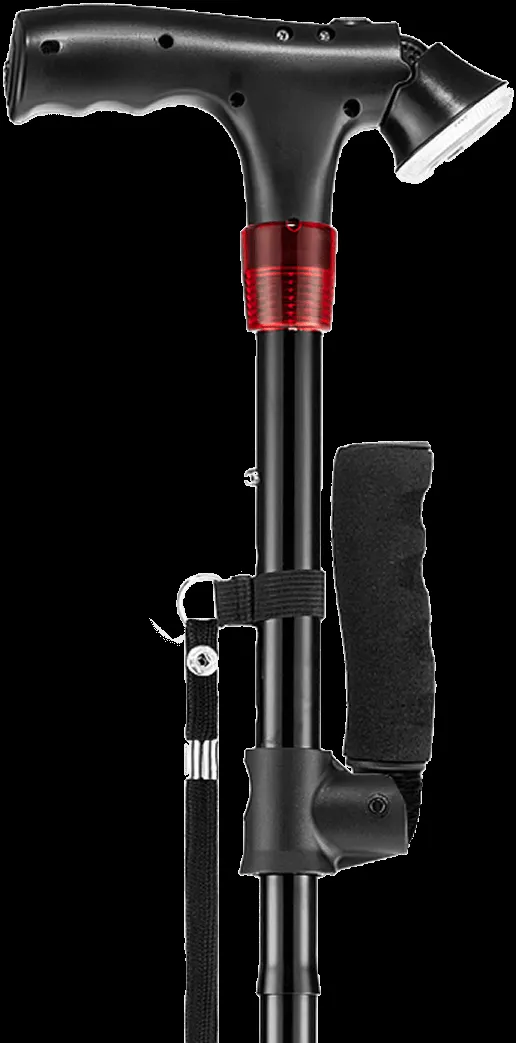
A cane that stays put while they get in the car
Ready Walker: stands on its own, second handle for getting up from bed and chairs, LED light for nighttime and a built-in alarm. $59.99 with a 30-day money-back guarantee.
Check today's price →$59.99 · ships from Ohio · 30-day guarantee
How can a self-standing cane help?
With a regular cane, your parent has to lean it somewhere or hand it off while getting in. A cane that stands on its own stays upright and within reach. The Ready Walker has a pivoting four-point base that stands on its own, a second lower handle for help pushing up to stand, a built-in LED light for dark parking lots and an alarm. Read our Ready Walker review and self-standing cane benefits.
Does the type of car matter?
Yes. Very low sports cars and very high trucks are both harder. Seats at about hip height, like many small SUVs and crossovers, are often easiest because your parent can sit straight back. Wide door openings and seats without deep bolsters help too.
What after hip or knee surgery?
After joint surgery, follow the surgeon's or therapist's specific instructions about hip angles and movements. Many recommend the front passenger seat pushed all the way back, a cushion to raise the seat and avoiding twisting. See hospital discharge checklist.
How should caregivers help?
- Stand close, but let your parent do as much as they can.
- Guard their head as they duck in.
- Help lift legs only if needed, bending your knees, not your back.
- Never pull on their arms to lift them.
- Keep the cane or walker within reach.
The National Institute on Aging offers caregiving resources, including safe ways to help with daily activities.
How do you handle winter and parking lots?
Park close to entrances, avoid icy spots, use accessible parking if your parent qualifies and keep a small bag of sand or ice melt in the car. See parking lot safety for seniors and winter safety for seniors.
Why does this matter so much?
The CDC reports that more than one in four older adults falls each year. Car transfers combine many fall risks in a few seconds, so a safe routine makes a real difference. See fall prevention for seniors.
How much does the Ready Walker cost?
The Ready Walker is $59.99, with a 30-day money-back guarantee and shipping from Ohio.
How can you adjust the seat height?
If the seat is too low, a firm cushion can raise it, making it easier to stand up. Make sure the cushion doesn't slide and doesn't push your parent's head too close to the roof. In some cars, the seat itself can be raised.
What if the seat belt is hard to reach?
Seat belt extenders and handles that bring the belt closer can help people with shoulder stiffness or arthritis. Make sure any accessory is compatible with the car's safety system.
Should you practice?
Yes. Practice the sequence in the driveway when there's no rush. A physical or occupational therapist can watch and suggest adjustments for your parent's needs. Practicing reduces anxiety on appointment days.
Why does rushing cause falls?
Hurrying in traffic, in the rain or with impatient drivers behind you raises the risk of mistakes. Plan extra time for appointments, park where you won't block traffic and let your parent move at their own pace.
What about taxis and rideshares?
Use the same technique. Request vehicles with higher seats if possible, ask the driver to pull close to the curb on level ground and keep the cane within reach. Some services offer assisted rides for older adults.
What mistakes should you avoid?
- Stepping in with one foot first and twisting.
- Pulling up on the car door, which swings.
- Parking next to a high curb or on a slope.
- Pulling your parent up by the arms.
- Rushing.
Is the back seat harder?
Usually, yes. Back doors are narrower and seats are often lower. The front passenger seat, pushed back and slightly reclined, is usually easiest for older adults.
What if your parent uses a walker?
Bring the walker close to the car, lock the brakes if it has wheels and use it for support until your parent is seated. Then fold and store it. Reverse the steps when getting out. See walker vs cane.
What if your parent has memory problems?
Give one simple instruction at a time, demonstrate and stay calm. Using the same sequence every time builds familiarity.
What about bags and groceries?
Put bags in the car before your parent gets in, and unload them after your parent is safely inside the house. Carrying bags while getting out of a car adds fall risk. A rolling cart helps move groceries from the car to the kitchen.
Is an accessible parking placard worth it?
If your parent has limited mobility, ask the doctor about eligibility. Accessible spaces are closer to entrances and often wider, which makes car transfers easier and safer.
What's the takeaway?
Back in, sit, swing legs together; swing legs out, scoot, push up from stable surfaces and pause before walking.
What if getting in the car is painful?
Pain during car transfers can signal hip, knee or back problems that need attention. Tell the doctor, and ask for a referral to a physical or occupational therapist, who can teach easier techniques and suggest helpful equipment.
How do you handle car transfers at night?
Use the car's interior lights, carry a flashlight or use a cane with a built-in light, and park under lights when possible.
How do you make buckling up easier?
Pull the belt out before your parent sits so it's easy to reach, and buckle it for them if their hands are stiff.
Why open the door all the way?
A fully open door gives room to turn and sit without twisting. Park with extra space on the passenger side when you can.
The bottom line
Sit first, then swing both legs in; swing both legs out, then stand. Prepare the car seat, park on level ground, use sturdy aids like a car handle and keep a stable cane within reach.
For support that stays within reach, our pick is the Ready Walker. Check today's Ready Walker price.
Sources
- Centers for Disease Control and Prevention. Older Adult Falls Data.
- National Institute on Aging. Getting Started with Caregiving.
- Official Ready Walker product page, checked October 2026.
Frequently asked questions
How should an elderly person get into a car?
Back up to the seat, sit down first, then swing both legs in together.
How should an elderly person get out of a car?
Swing both legs out, scoot forward, then push up from stable surfaces.
What is a car handle for seniors?
A portable handle that hooks into the door latch for support when standing.
Should I pull my parent up by the arms?
No, it can injure shoulders; help them push up from stable surfaces instead.
Which car is easiest for seniors?
Seats at about hip height, like many small SUVs, are often easiest.
Can a cane help with car transfers?
A cane that stands on its own stays within reach while they get settled.

Laura Bennett
Laura Bennett is the pen name of the Aging Parents at Home editorial team at Iqueda Media LLC. We write for adult children who want to help their aging parents stay safe and independent at home. The team researches daily-living and safety products, reads the official guidance from public health and safety organizations, and checks prices, policies and buyer feedback. We are not doctors, nurses or physical therapists. Her guides are built on official public health and safety guidance, manufacturer information, checkout and return policies, and buyer feedback, and are updated when offers change. More about Laura.