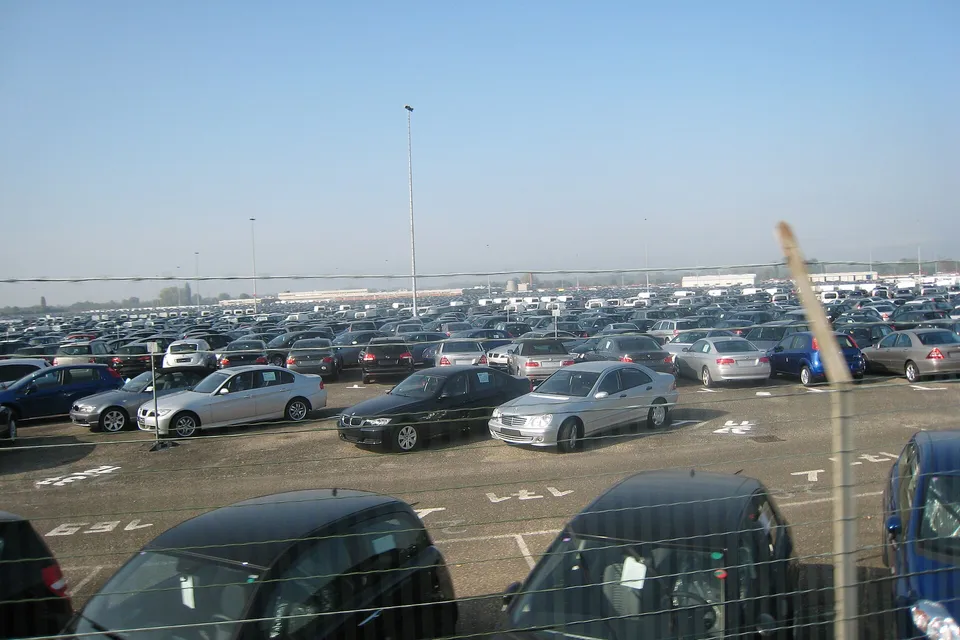
- Park close and well lit: near entrances, under lights, in accessible spots if eligible.
- Watch for backing cars: walk in marked paths, make eye contact with drivers and avoid walking behind parked cars.
- Watch your footing: curbs, potholes, wheel stops, ice and oil spots.
- Stay alert: keys ready, phone away while walking, lock doors once inside.
- Carry a phone and a loud alarm to get attention if needed.
General information, not medical or security advice. In an emergency, call 911.
Parking lots are surprisingly risky places for older adults. Drivers back out without seeing pedestrians, curbs and wheel stops are easy to trip over, ice and oil make surfaces slippery and distracted shoppers juggle bags, carts and keys. Parking lots can also be targets for theft and scams. A few habits make a big difference. This guide covers where to park, how to walk safely, how to avoid falls and how to stay secure.
What are the main risks?
- Cars backing out of spaces.
- Tripping on curbs, wheel stops and potholes.
- Slipping on ice, snow, rain or oil.
- Carrying bags that block the view of the ground.
- Theft and purse snatching.
- Getting lost looking for the car.
Where should your parent park?
| Tip | Why |
|---|---|
| Close to the entrance | Shorter walk, less traffic exposure |
| Under lights | Better visibility and security |
| Pull-through spots | No need to back out |
| Accessible spots (if eligible) | Wider spaces and closer |
| Away from large vehicles | Better visibility when pulling out |
Note the row number or take a photo of the spot.
How should your parent walk through a parking lot?
- Walk in marked crosswalks and paths.
- Watch for reverse lights and engines starting.
- Make eye contact with drivers before crossing.
- Avoid walking directly behind parked cars.
- Keep the phone in a pocket while walking.
- Use a cart for support and to carry bags.
How do you prevent falls in parking lots?
Look down for curbs, wheel stops, potholes and ice; wear non-slip shoes; step up and down curbs carefully with a cane on the correct side; and use cart corrals or the cart for stability. The CDC reports more than one in four adults 65+ fall each year. See how to walk on ice and walking safety for seniors.
How do you stay secure?
- Have keys ready before reaching the car.
- Look around and inside the car before getting in.
- Lock doors immediately.
- Don't leave bags visible in the car.
- Be wary of strangers asking for help or money.
- Ask store staff to walk you out at night.
See scams targeting the elderly.
How does a personal alarm help?
A loud alarm can startle someone with bad intentions and draw attention from people nearby, or help your parent get noticed after a fall. HaloSiren is a keychain alarm with a 130 dB siren and LED strobe activated by a pull. It's rechargeable, water resistant and has no app or monthly fee. It doesn't call 911 or detect falls, so carry a phone too. Read our HaloSiren review.
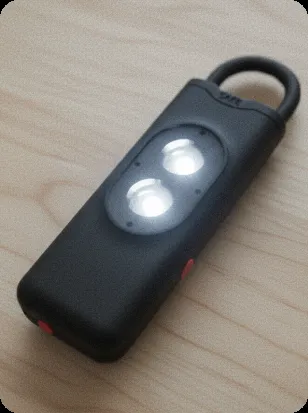
A loud alarm right on the car keys
HaloSiren: 130 dB siren and LED strobe with one pull. Rechargeable, no app, no monthly fee. About $17.99 each in multi-packs, 90-day guarantee.
Check today's price →$29.99, or 5 for $89.97 · 90-day guarantee
How do you load the car safely?
Unlock the car, put bags in the trunk or back seat first, then return the cart and get in. Avoid twisting while lifting heavy bags. Ask staff to help load heavy items. See getting in and out of a car.
What about winter parking lots?
Snowbanks hide curbs, and plowed lots can have icy patches. Walk slowly with short steps, use ice tips on canes, park near cleared areas and shop when lots are less crowded. See cane ice tips.
What about parking at night?
Shop in daylight when possible, park under lights, carry a flashlight or use a cane with a light and walk with others. The National Institute on Aging notes good lighting helps prevent falls.
Why are holiday parking lots extra risky?
Crowds, rushed drivers, early darkness and winter weather all combine. See holiday shopping safety for seniors.
How much does HaloSiren cost?
HaloSiren is $29.99 for one, $59.99 for three and $89.97 for five (about $17.99 each), with a 90-day guarantee.
How can a shopping cart help?
A cart gives support like a walker and carries bags, so your parent's hands are free for balance. Push it all the way to the car, then return it to a nearby corral or leave it safely by the car.
How do you use a cane in a parking lot?
Hold the cane on the correct side, watch for uneven pavement and step carefully on and off curbs. A cane with a light helps at dusk. See how to use a cane.
What about parking garages?
Garages can be dim, with ramps and oil spots. Park near elevators, under lights and use the elevator rather than stairs. Note the floor and section.
What if your parent forgets where they parked?
Take a photo of the spot or row sign, park in the same area each visit and use a phone app that saves the parking location.
Who qualifies for an accessible parking placard?
Rules vary by state, but people with limited mobility, heart or lung conditions or who use mobility aids may qualify. Ask the doctor about the application.
What's a parking lot checklist?
- Park close, under lights.
- Note the spot.
- Walk in marked paths, watch for reverse lights.
- Keys ready, phone away while walking.
- Load bags first, lock doors right away.
- Alarm on the keychain.
Why are backing cars so dangerous?
Drivers backing out often can't see a person walking behind them, especially someone shorter or moving slowly. Many pedestrian injuries in parking lots involve vehicles backing up. Walking in marked paths and avoiding the space directly behind cars reduces this risk.
Why should phones stay in the pocket?
Looking at a phone while walking means not watching for cars, curbs or ice. Finish calls and texts before walking to the car.
How can family help?
Drop your parent off at the entrance and pick them up there, especially in bad weather. Offer rides or shop together during busy seasons.
Are rideshares a good option?
Yes, especially for avoiding large lots. Ask the driver to pick up and drop off at the entrance.
How should your parent carry a purse or wallet?
A cross-body bag worn in front, zipped, is safer than a shoulder bag. Keep a wallet in a front pocket. Don't leave a purse in the cart while loading the car.
What parking lot scams should your parent know?
Common tricks include strangers asking for money for gas, claiming a car problem, or creating distractions while someone grabs a bag. Your parent can say no, get in the car and lock the doors.
What's the takeaway?
Close, well-lit parking, careful walking and quick, alert loading keep parking lots safer.
How does weather change the plan?
In rain, snow or ice, consider delivery, pickup at the curb or shopping another day. Wet leaves in fall and ice in winter make lots slippery. Wear non-slip shoes and take shorter steps.
What if your parent has hearing loss?
They may not hear engines or horns. Extra visual vigilance, walking with others and choosing quieter times help. Look for reverse lights before crossing behind cars.
Where should the alarm be kept?
On the car keys, so it's in hand when walking to and from the car.
Are grandchildren safe in parking lots too?
Grandparents watching grandkids should hold hands, keep kids close to the cart and load kids into the car first. Small children are even harder for drivers to see.
What if the lot is poorly lit?
Choose stores with better lighting, use a flashlight or cane light and ask staff for an escort. Report broken lights to the store.
What if your parent feels unwell in the lot?
Sit down in the car or on a bench, call for help and, in an emergency, call 911.
How do you make these habits automatic?
Practice them on every trip until they feel natural: same parking area, keys ready, phone away, bags in, doors locked.
Is valet or curbside pickup worth it?
For busy days or bad weather, yes. Curbside grocery pickup, valet at medical centers and drop-off at entrances reduce walking through lots.
Why watch for quiet cars?
Electric and hybrid cars can be very quiet at low speeds, so rely on your eyes, not just your ears.
Which shoes are best?
Non-slip soles with good tread and a secure fit. See non-slip shoes for seniors.
Should car doors unlock automatically?
Set the key fob to unlock only the driver's door first, so no one else can easily get in.
Which stores make it easier?
Smaller stores with close parking and staff who help with loading are often easier than huge lots.
The bottom line
Park close and under lights, walk in marked paths, watch for backing cars and trip hazards, have keys ready and lock up right away. A phone and a loud alarm add a layer of safety.
For a loud alarm on the keychain, our pick is HaloSiren. Check today's HaloSiren price.
Sources
- Centers for Disease Control and Prevention. Older Adult Falls Data.
- National Institute on Aging. Falls and Fractures in Older Adults.
- Official HaloSiren product page, checked October 2026.
Frequently asked questions
How can seniors stay safe in parking lots?
Park close under lights, walk in marked paths and watch for backing cars.
Why are parking lots dangerous for seniors?
Backing cars, curbs, ice and distractions all raise the risk of injury.
How do I avoid falls in a parking lot?
Watch for curbs and wheel stops, wear non-slip shoes and use a cart for support.
Should seniors carry a personal alarm?
A loud alarm can draw attention nearby; it doesn't call 911.
What parking lot scams target seniors?
Strangers asking for money or creating distractions to grab bags.
How should I load the car safely?
Unlock, put bags in first, return the cart and lock doors once inside.

Laura Bennett
Laura Bennett is the pen name of the Aging Parents at Home editorial team at Iqueda Media LLC. We write for adult children who want to help their aging parents stay safe and independent at home. The team researches daily-living and safety products, reads the official guidance from public health and safety organizations, and checks prices, policies and buyer feedback. We are not doctors, nurses or physical therapists. Her guides are built on official public health and safety guidance, manufacturer information, checkout and return policies, and buyer feedback, and are updated when offers change. More about Laura.