
- Shop in daylight and on weekday mornings, when stores are calmer.
- Park close to the entrance in a well-lit spot, and note where the car is.
- Carry less: a small cross-body bag, one card and a phone; leave extra cash at home.
- Watch for scams at checkout, online and by phone.
- Bring a phone and a loud personal alarm to get attention if something feels wrong.
- Use delivery or online shopping on icy or busy days.
General information, not medical or legal advice. In an emergency, call 911.
Holiday shopping is a joy for many older adults: picking gifts, seeing decorations and getting out of the house. But crowded stores, packed parking lots, early darkness, icy sidewalks and scammers who target holiday shoppers can make it riskier. A little planning helps your parent enjoy the season safely and independently. This guide covers safer timing, parking, carrying money, avoiding falls, recognizing scams and online shopping tips.
When is the safest time to shop?
- Weekday mornings: calmer stores and parking lots.
- Daylight hours: it gets dark early in December.
- Avoid peak days like Black Friday weekend and the last Saturday before Christmas.
- Check the weather: skip icy or snowy days.
How do you stay safe in parking lots?
Parking lots are busy, distracting and often icy. Park near the entrance under lights, note the parking row, walk facing traffic, and have keys ready before reaching the car. Load bags into the car before getting in, and lock doors right away. See parking lot safety for seniors and getting in and out of a car.
How should your parent carry money and cards?
- Use a cross-body bag worn in front, zipped.
- Carry one credit card and a small amount of cash.
- Leave checkbooks, Social Security cards and extra cards at home.
- Shield the PIN at checkout.
- Keep receipts and check statements after the holidays.
How do you prevent falls while shopping?
Store entrances get wet and slippery from snow and rain, crowded aisles mean bumps and carrying bags throws off balance. Use a shopping cart for support, wear non-slip shoes, take breaks and ask staff to carry bags to the car. The CDC reports that more than one in four older adults falls each year. See non-slip shoes for seniors and fall prevention.
Which holiday scams target seniors?
| Scam | What it looks like |
|---|---|
| Fake delivery texts | "Your package is delayed, click to reschedule" |
| Gift card scams | Someone demands payment in gift cards |
| Fake online stores | Too-good-to-be-true deals on unknown sites |
| Charity scams | Pressure to donate on the spot |
| Grandparent scam | A caller pretends a grandchild needs money urgently |
The FTC has tips for shopping online safely. See scams targeting the elderly.
How can a personal alarm help?
A loud personal alarm can draw attention from people nearby if your parent feels threatened, gets separated from family in a crowd or has a fall in a parking lot. HaloSiren is a keychain alarm with a 130 dB siren and LED strobe that activates with one pull. It's rechargeable, water resistant, needs no app and has no monthly fee. It doesn't call 911, detect falls or connect to a monitoring service, so your parent should also carry a phone. Read our HaloSiren review and personal alarm vs medical alert.
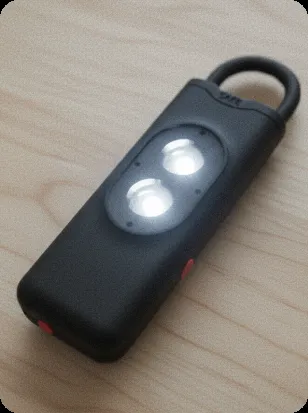
A loud alarm on their keychain
HaloSiren: 130 dB siren and LED strobe with one pull. Rechargeable, no app, no monthly fee. About $17.99 each in multi-packs, 90-day guarantee.
Check today's price →$29.99, or 5 for $89.97 · 90-day guarantee
Is online shopping safer?
It avoids crowds and ice, but comes with its own risks. Help your parent shop on familiar, secure sites, use a credit card rather than a debit card, avoid clicking links in unexpected texts or emails and track deliveries directly on the retailer's site.
Should someone go with them?
Shopping with a family member or friend is safer and more fun. If your parent prefers to shop alone, agree on a check-in call when they leave and return home.
How do you avoid exhaustion?
Plan a short list, shop in one or two stores, take breaks, stay hydrated and eat beforehand. Fatigue makes falls and mistakes more likely.
What about package theft at home?
Have packages delivered to a neighbor, a pickup locker or a store, or schedule deliveries for when someone is home. A video doorbell can help. See home security for seniors.
How much does HaloSiren cost?
HaloSiren is $29.99 for one, $59.99 for three and $89.97 for five (about $17.99 each), with a 90-day guarantee.
How do you handle crowds?
Crowds raise the risk of bumps, falls, pickpockets and getting separated. Stay near the edges of aisles, avoid escalators when carrying bags, use elevators and pick a meeting spot in case you get separated. A brightly colored scarf or hat makes your parent easier to spot.
What if your parent has memory problems?
Go together, write down the shopping list, keep a card in their pocket with your phone number and their address, and share their location on a phone if possible. Plan short trips to familiar stores.
How do you use ATMs safely?
Use ATMs inside banks or stores during the day, shield the PIN and put money away before leaving. Avoid outdoor ATMs at night. Check accounts regularly for unusual charges.
What about returns after the holidays?
Keep receipts organized in an envelope. Many stores extend return windows during the holidays. Returns are another trip, so plan them on calm weekday mornings or by mail.
What safety gifts can you give?
A personal alarm, a cane with a light, non-slip boots or a jar opener make thoughtful, practical gifts. See stocking stuffers for the elderly and gifts for elderly parents.
What's a holiday shopping checklist?
- Shop in daylight on a weekday morning.
- Park close, under lights.
- Cross-body bag, one card, small cash.
- Non-slip shoes.
- Phone charged; personal alarm on the keychain.
- Check-in call when leaving and arriving home.
Should your parent share their location?
Location sharing on a smartphone lets family see where they are if they're running late or lost. Set it up together and explain how to turn it on and off. It's a helpful backup, especially for longer trips or bad weather.
Are self-checkout and payment kiosks safe?
They're generally fine, but card skimmers can be attached to payment terminals. Check for loose parts, cover the PIN and use tap-to-pay when possible. If something looks off, use a staffed register.
How do you stay warm while shopping?
Dress in layers that are easy to remove indoors, wear gloves with grip for the parking lot and bring a small bag rather than a big coat full of pockets. Getting overheated inside and chilled outside can be tiring.
How can family help from far away?
Order gifts online on your parent's behalf, schedule grocery delivery, arrange rides with a local friend and check in by phone before and after outings. See long-distance caregiving.
Is mall walking a good idea in winter?
Many malls open early for walkers, offering a warm, flat, well-lit place to exercise. It's a great winter routine, especially on weekday mornings before crowds arrive.
How much should your parent carry?
Heavy or bulky bags throw off balance and block the view of steps and curbs. Ask stores to deliver larger items, use a cart all the way to the car and keep one hand free for a handrail or cane.
What's the takeaway?
Plan ahead, shop at calm times, carry little, stay steady on your feet and keep a phone and a loud alarm handy. On bad-weather days, shop from home.
Any tips for restrooms and breaks?
Know where restrooms and seating are before you start. Use family or accessible restrooms when available, since they're roomier and often have grab bars. Plan a sit-down break with a snack and drink halfway through the trip to keep energy up.
Why does early darkness matter?
In December, it can be dark by late afternoon. Poor light hides curbs, ice and potholes, and makes it harder for drivers to see pedestrians. Finish errands well before dusk, or bring a flashlight and wear reflective accessories.
How can your parent give to charity safely?
Donate directly through known charities' official websites or mailing addresses rather than to callers or door-to-door collectors. Don't give card numbers over the phone to unsolicited callers.
What should your parent do if their wallet is lost or stolen?
Call the card issuers right away to freeze cards, report the loss to store security or police, and check accounts for unusual charges. Keeping a list of card numbers and phone numbers at home makes this much faster.
Where should the alarm be carried?
On the keychain or clipped to a bag strap where it can be reached quickly, not buried in a purse.
Is tap-to-pay safer?
Contactless payment keeps the card in your parent's hand and avoids entering a PIN, which many people find simpler and safer.
The bottom line
Holiday shopping can be safe and enjoyable with daylight trips, close parking, minimal valuables, non-slip shoes, scam awareness and a phone plus a loud personal alarm. On icy or crowded days, online shopping or a family helper is the better choice.
For a loud alarm on their keychain, our pick is HaloSiren. Check today's HaloSiren price.
Sources
- Centers for Disease Control and Prevention. Older Adult Falls Data.
- Federal Trade Commission. Online Shopping.
- Official HaloSiren product page, checked October 2026.
Frequently asked questions
When is the safest time for seniors to shop?
Weekday mornings in daylight, avoiding peak holiday days.
How can seniors stay safe in parking lots?
Park close under lights, have keys ready and load bags before getting in.
What holiday scams target seniors?
Fake delivery texts, gift card demands, fake stores, charity and grandparent scams.
Should my parent carry a personal alarm?
A loud alarm can draw attention nearby; it doesn't call 911, so carry a phone too.
Is online shopping safer for seniors?
It avoids crowds and ice; use trusted sites and a credit card.
How can family help?
Shop together, set check-in calls and arrange deliveries.

Laura Bennett
Laura Bennett is the pen name of the Aging Parents at Home editorial team at Iqueda Media LLC. We write for adult children who want to help their aging parents stay safe and independent at home. The team researches daily-living and safety products, reads the official guidance from public health and safety organizations, and checks prices, policies and buyer feedback. We are not doctors, nurses or physical therapists. Her guides are built on official public health and safety guidance, manufacturer information, checkout and return policies, and buyer feedback, and are updated when offers change. More about Laura.