
- Clear the path: remove rugs, cords, toys and decorations from walkways.
- Light it up: night lights from the guest room to the bathroom.
- Make the bathroom safer: non-slip mat, grab bar or tension pole, raised seat if needed.
- Choose the right room: a ground-floor guest room near a bathroom.
- Watch the entry: salt and light outdoor steps, add a sturdy chair for taking off shoes.
- Bring their mobility aid and keep it within reach.
General information, not medical advice. In an emergency, call 911.
Holiday visits are a highlight of the year, but an unfamiliar house can be full of hazards for an older parent: different stairs, slippery floors, cluttered rooms, pets underfoot, dark hallways and a bathroom they've never used at night. Combined with travel fatigue, late nights and maybe a glass of wine, the risk of falls rises. With a little preparation before they arrive, you can make your home much safer. This guide walks through room-by-room fixes and holiday-specific risks.
Why are holiday visits risky?
- Unfamiliar layout, especially at night.
- Extra clutter from decorations, gifts and luggage.
- Crowded rooms and excited children and pets.
- Fatigue from travel and late evenings.
- Icy outdoor steps in winter.
- Changes in routine, meals and medications.
The CDC reports more than one in four adults 65 and older falls each year. See fall prevention for seniors.
How do you prepare the guest room?
- Choose a ground-floor room near a bathroom if possible.
- Make sure the bed height lets their feet rest flat when sitting.
- Place a lamp within reach of the bed.
- Add a night light and a clear path to the door.
- Put a sturdy chair in the room for dressing.
- Leave space for their cane or walker by the bed.
How do you make the bathroom safer?
| Fix | Why |
|---|---|
| Non-slip mat in the tub and outside it | Wet floors are slippery |
| Temporary grab bar or tension pole | Support getting in and out |
| Raised toilet seat (if they use one) | Easier to sit and stand |
| Night light | Safe nighttime trips |
| Shower chair | Sit while bathing |
Avoid suction-cup grab bars, which can come loose. See bathroom safety for seniors.
How do you clear walkways?
- Remove or tape down throw rugs.
- Route cords for lights and decorations along walls.
- Keep gifts, bags and toys off the floor.
- Move low furniture and ottomans out of paths.
- Keep stairs completely clear.
How should you light the house at night?
Plug-in motion-sensor night lights along the route from the guest room to the bathroom and in hallways make nighttime trips safer. Leave a light on in the bathroom. Show your parent where light switches are when they arrive. See night-time fall prevention.
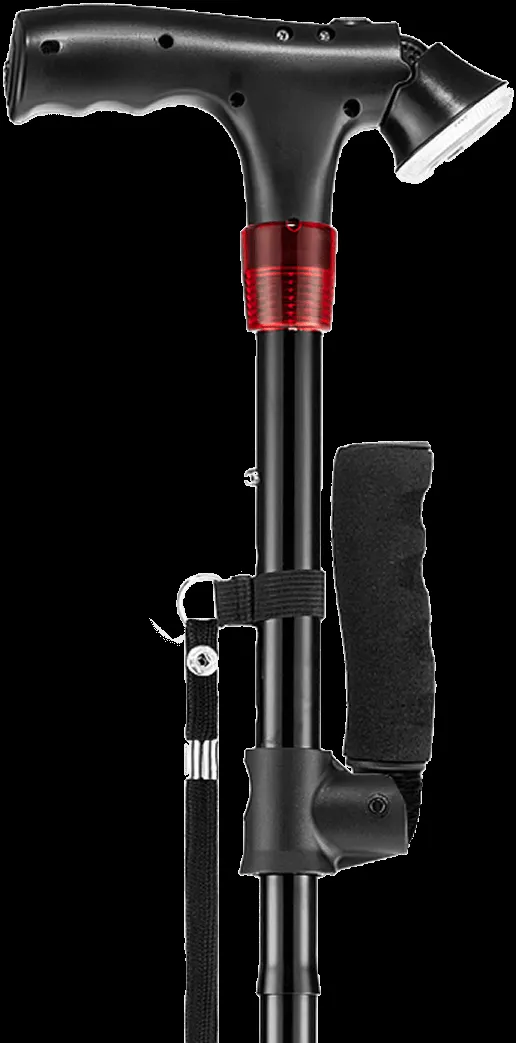
A cane with its own light for unfamiliar homes
Ready Walker: stands on its own, second handle for getting up from bed and chairs, LED light for nighttime and a built-in alarm. $59.99 with a 30-day money-back guarantee.
Check today's price →$59.99 · ships from Ohio · 30-day guarantee
How does a self-standing cane help on visits?
In a new house, a cane that falls over or gets left behind is a problem. The Ready Walker has a pivoting four-point base that stands on its own beside the bed or chair, a second handle for help getting up, a built-in LED light for dark hallways and an alarm to get attention. Read our Ready Walker review.
What about stairs?
If your parent must use stairs, make sure handrails are sturdy on both sides if possible, steps are well lit and nothing is stored on them. Offer a ground-floor room if stairs are difficult. See stair safety for seniors.
How do you manage pets and children?
- Keep pets in another room when your parent is walking around, especially at first.
- Teach kids not to run near Grandma or Grandpa.
- Pick up toys before bedtime.
- Use a pet gate if needed.
How do you make the entry safe?
Clear and salt outdoor steps and walkways, turn on outdoor lights, add a sturdy chair or bench inside for removing shoes and keep a mat to wipe wet soles. See winter safety for seniors.
What health factors matter during visits?
- Remind your parent to bring all medications and take them on schedule.
- Limit alcohol, which affects balance.
- Encourage rest and hydration.
- Watch for dizziness after long car trips or meals.
The National Institute on Aging lists medications and health issues that raise fall risk. See medications that cause falls.
How much does the Ready Walker cost?
The Ready Walker is $59.99, with a 30-day money-back guarantee and shipping from Ohio.
What should you do when your parent arrives?
Give a short tour: where the bathroom, light switches and night lights are, which doors lead where and where to find you at night. Help them unpack so luggage isn't left on the floor, and place their cane or walker by the bed.
Which decorations are hazards?
- Extension cords across walkways.
- Tree skirts and gift piles near paths.
- Loose rugs under the tree.
- Candles near where people walk.
- Low decorations on stairs.
Keep paths wide and clear, and secure cords along walls.
How do you keep mealtimes safe?
Give your parent a sturdy chair with armrests at the table, keep the area around their chair clear and offer to carry plates. Spilled drinks on hard floors are a slip risk, so wipe them immediately.
What footwear should your parent wear indoors?
Non-slip slippers or supportive shoes, not socks on hard floors. Pack a pair or give them as a holiday gift. See non-slip shoes for seniors.
How do you reduce travel fatigue?
Plan rest stops on drives, allow a nap after arrival and keep the first evening quiet. Fatigue makes falls more likely. See holiday travel with elderly parents.
What if a fall happens?
Stay calm, check for injuries and call 911 if needed. Don't rush to lift them; help only if they're unhurt and can assist. See what to do after an elderly fall.
What's a pre-visit checklist?
- Guest room on the ground floor, near the bathroom.
- Lamp by the bed; night lights to the bathroom.
- Rugs removed or secured; cords along walls.
- Non-slip mats and grab support in the bathroom.
- Outdoor steps cleared, salted and lit.
- Chair by the entry for shoes.
- Space for the cane or walker by the bed.
What if your parent is hosting?
If the holiday is at your parent's home, visit early to help clear clutter from decorations and set up extra lighting. Ask guests to keep bags and coats off the floor and help with serving and cleanup. See Thanksgiving with elderly parents.
Why limit alcohol?
Alcohol affects balance and can interact with medications. Offer non-alcoholic options and keep an eye on how your parent feels, especially before they walk to the guest room at night.
Why are mornings risky too?
Stiffness, low blood pressure on standing and an unfamiliar room make the first steps of the morning risky. Remind your parent to sit at the edge of the bed for a moment before standing.
How do you keep family activities safe?
Choose seated activities like board games, card games and storytelling, with good lighting and a clear path to the bathroom. Keep the room temperature comfortable and offer a sturdy chair with armrests.
What about holiday outings?
For church services, light displays or shopping, plan short outings, drop your parent at the entrance and bring their cane, a flashlight and warm layers. See holiday shopping safety for seniors.
Should your parent carry a personal alarm?
A loud alarm on the nightstand or in a pocket can help them get your attention quickly if they need help in an unfamiliar house. See is a personal alarm loud enough?
What's the takeaway?
A little preparation turns your home into a safe place for your parent to enjoy the holidays.
How do you prepare a house with young kids?
Do a toy sweep every evening, keep a bin in each room for quick cleanup, use gates on stairs if your parent needs them for pets or kids, and teach children to say "Grandma's walking" as a cue to clear the way.
What if your parent stays for several weeks?
Consider adding temporary aids: a toilet safety frame, a shower chair, extra night lights and a bed rail. These are affordable and can be passed on afterward.
What mistakes should you avoid?
- Putting your parent upstairs when a ground-floor option exists.
- Leaving gifts and luggage in walkways.
- Forgetting night lights.
- Letting pets roam freely around them at first.
- Rushing them to outings.
Where should the guest sleep if no ground-floor room?
A sofa bed or air mattress isn't ideal, since they're low and unstable. If stairs are unavoidable, make sure there's a sturdy handrail and lighting, and walk with your parent the first few times.
Should you ask your parent what they need?
Yes. They know what's hard for them. A quick call before the visit helps you prepare.
The bottom line
Prepare before your parent arrives: a ground-floor room near the bathroom, clear walkways, good night lighting, a safer bathroom, cleared entry steps and their mobility aid within reach. Manage pets, kids and alcohol, and let them rest.
For a cane with its own light, our pick is the Ready Walker. Check today's Ready Walker price.
Sources
- Centers for Disease Control and Prevention. Older Adult Falls Data.
- National Institute on Aging. Falls and Fractures in Older Adults.
- Official Ready Walker product page, checked October 2026.
Frequently asked questions
How do I make my home safe for an elderly parent's visit?
Clear walkways, add night lights, make the bathroom safer and offer a ground-floor room.
Where should an elderly guest sleep?
A ground-floor room near a bathroom if possible.
How do I make the bathroom safer for a visiting parent?
Non-slip mats, a sturdy grab support, a night light and a shower chair.
Are holiday decorations a fall risk?
Yes, cords, rugs and gift piles in walkways can cause trips.
How do I keep pets from tripping my parent?
Keep pets in another room at first and use gates if needed.
What should I do if my parent falls during a visit?
Check for injuries, don't rush to lift them and call 911 if needed.

Laura Bennett
Laura Bennett is the pen name of the Aging Parents at Home editorial team at Iqueda Media LLC. We write for adult children who want to help their aging parents stay safe and independent at home. The team researches daily-living and safety products, reads the official guidance from public health and safety organizations, and checks prices, policies and buyer feedback. We are not doctors, nurses or physical therapists. Her guides are built on official public health and safety guidance, manufacturer information, checkout and return policies, and buyer feedback, and are updated when offers change. More about Laura.