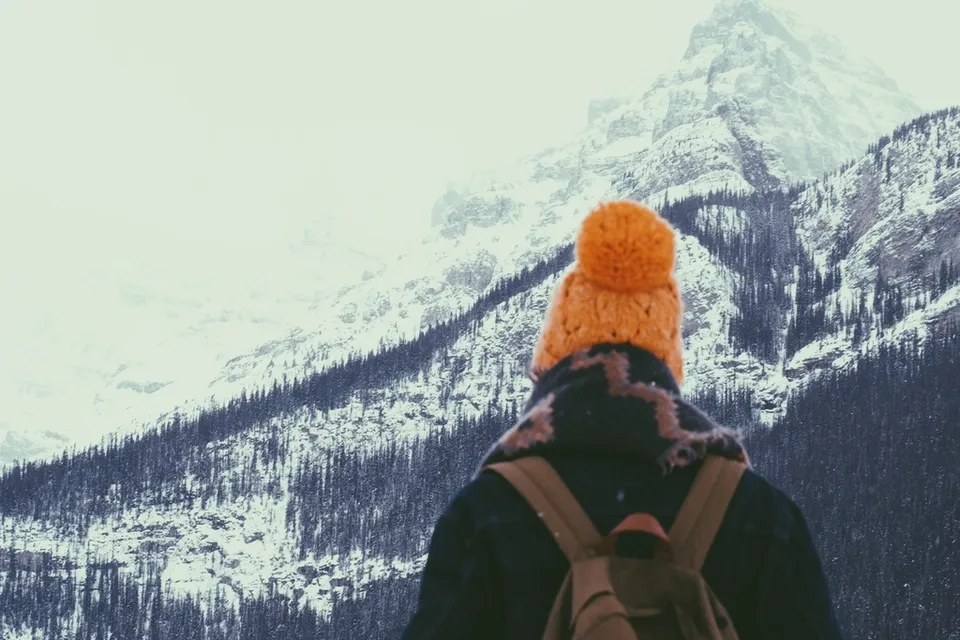
- Layer: a moisture-wicking base layer, a warm middle layer (fleece or wool) and a wind- and water-resistant outer layer.
- Cover the head, neck and hands: a hat, scarf and gloves or mittens prevent a lot of heat loss.
- Choose warm, non-slip footwear: insulated boots with good tread outdoors, closed-back slippers indoors.
- Pick easy fastenings: zippers with large pulls, magnetic buttons or hook-and-loop closures for stiff hands.
- Dress warmly indoors too: older adults can get chilled even at home.
- Avoid cotton next to the skin in wet or very cold weather; it holds moisture.
Older adults feel the cold more and lose heat faster. Slower circulation, thinner skin, less muscle and some medications all make it harder to stay warm, and many older people don't notice how cold they are until they're chilled through. The right clothing makes a big difference, both outdoors and inside the home. But dressing for winter also has to be practical: layers that are easy to put on and take off, fastenings that work with arthritic hands, and shoes that won't slip on ice. This guide explains how to layer, which fabrics work best, how to protect the head, hands and feet, easy-dressing tips for limited mobility, what to wear indoors and at night and how to help a parent who resists bundling up.
In this guide:
- why older adults get cold faster
- the three-layer system
- best and worst fabrics
- head, hands and feet
- easy dressing with limited mobility
- indoors, at night and outdoors
General information for families, not medical advice. If your parent has trouble staying warm, unusual tiredness, confusion or cold, pale skin, talk to their doctor. Call 911 for signs of hypothermia, such as confusion, slurred speech or severe drowsiness.

Our pick: the Qinux CozyWin Heated Blanket
Rechargeable, cordless heated blanket with three heat levels that warms up in minutes. No wall cord to trip over and nothing glowing hot in the room.
Check today's price →$99.95 (50% off the list price) · free delivery
Why do older adults get cold faster?
- slower metabolism and less body heat
- thinner skin and less body fat
- reduced circulation to hands and feet
- less shivering
- medications and conditions that affect temperature control
- less activity, especially when sitting for long periods
The National Institute on Aging explains these risks in its guide to cold weather safety for older adults. See also why older adults are always cold.
How does the three-layer system work?
| Layer | Purpose | Good choices |
|---|---|---|
| Base layer | Keeps moisture off the skin | Merino wool, silk or synthetic thermal underwear |
| Middle layer | Traps body heat | Fleece jacket, wool sweater, cardigan, quilted vest |
| Outer layer | Blocks wind, rain and snow | Insulated, water-resistant coat with a hood |
Several thinner layers are warmer and more flexible than one bulky coat. They're also easier to adjust when moving between a cold car and a warm store.
Which fabrics are best?
- Wool and merino: warm even when slightly damp; choose soft merino for sensitive skin
- Fleece: light, warm and quick-drying
- Silk: thin, warm base layer
- Down or synthetic insulation: very warm outer layers
- Cotton: comfortable indoors, but it holds moisture and loses warmth when wet
Warmth for evenings in the chair
CozyWin is a cordless heated blanket, so your parent can stay warm on the sofa or recliner without a cord across the floor. $99.95, with free delivery.
Check today's price →$99.95 (50% off the list price) · free delivery
How do you protect the head, hands and feet?
- Hat: a soft knit hat or one with ear flaps; a lot of heat is lost when the head is uncovered
- Scarf or neck gaiter: protects the neck and can cover the face in wind
- Mittens: warmer than gloves; choose ones with grippy palms
- Socks: wool or wool-blend, not tight at the top
- Boots: insulated, waterproof and with deep, non-slip tread
See how to keep elderly feet warm and non-slip shoes for seniors.
How can you make dressing easier with arthritis or limited mobility?
- zippers with large pull tabs or a zipper pull ring
- magnetic buttons or hook-and-loop closures
- front-opening cardigans and vests instead of pullovers
- coats one size larger for easier layering
- slip-on boots with side zippers
- dressing aids like a button hook, sock aid and long shoehorn
- sitting down to dress, with clothes laid out in order
An occupational therapist can suggest more aids. See daily living aids for seniors and occupational therapy for seniors.
What should your parent wear indoors?
Many older adults get chilled at home, especially in the morning, at night or when the thermostat is low. Indoor layers might include a thermal undershirt, a cardigan or fleece, warm pants, wool socks and closed-back, non-slip slippers. A light hat or shawl helps in a cool house. Keep a throw blanket by the favorite chair. See how to keep an elderly parent warm in winter.
What about sleeping warm?
- flannel or fleece pajamas
- loose bed socks
- a light knit cap if the bedroom is cool
- layered blankets that are easy to adjust
- slippers by the bed for nighttime trips
How should your parent dress for errands and walks?
- dress in layers that come off easily in warm stores
- wear a bright or reflective outer layer on dark afternoons
- bring gloves and a hat even for short trips
- wear boots with good tread and add ice grips on icy days
- carry a phone in an inside pocket where the battery stays warm
See how to walk on ice safely and winter safety for seniors.
What if your parent won't bundle up?
Some older adults don't feel cold or dislike heavy clothing. Try lighter, warmer fabrics like merino and fleece instead of bulky sweaters, let them choose colors and styles and gift a soft scarf or vest they'll enjoy wearing. Explain the reason gently, and keep extra layers in the car and by the door. See when an aging parent refuses help.
What are warning signs of getting too cold?
- cold, pale or bluish skin
- shivering, or not shivering despite being cold
- confusion, sleepiness or slurred speech
- clumsiness or stumbling
Call 911 if you suspect hypothermia. See signs of hypothermia in the elderly.
Where does CozyWin fit in?
Even with the right clothes, long evenings sitting in a chair are when many older adults feel coldest. CozyWin is a cordless heated blanket with heating panels sewn into soft fleece and three heat levels. Because it's cordless, there's no cord across the floor. Drape it over the lap and legs while reading or watching TV, and keep it on low for anyone with reduced feeling in their skin. It's $99.95, with free delivery. Read our CozyWin heated blanket review.
What if your parent has dementia?
People with dementia may not recognize cold, may undress or wear summer clothes in winter, or struggle with buttons and zippers. Lay out warm clothes in the order they go on, put away out-of-season clothes, choose simple pull-on layers and check what your parent is wearing before going outside. Keep the home warm and check on them more often during cold snaps.
What should you buy for a parent's winter wardrobe?
- two or three thermal base layers
- a fleece jacket or zip-up cardigan
- a warm, lightweight coat with a hood and large zipper pull
- a soft hat, scarf and grippy mittens
- wool-blend socks that aren't tight at the top
- insulated, non-slip boots with side zippers
- closed-back, non-slip slippers
These make good gifts too. See gifts for elderly parents who are always cold.
What about a parent who uses a wheelchair?
People who sit for long periods lose heat faster, especially in the legs and feet. A lap blanket, warm socks, a shorter coat or a cape that doesn't bunch behind the back, and mittens that don't interfere with pushing the wheels all help. See how to keep warm in a wheelchair.
How do you care for winter clothes?
Wash wool and merino on a gentle cycle or by hand in cool water and dry them flat. Fleece can usually be machine-washed and dried on low. Check boots for worn tread each season, and replace slippers with flattened soles or loose backs, which are a fall risk. The CDC's falls data shows why safe footwear matters for older adults.
What about car trips in winter?
Bulky coats can make seat belts fit poorly and make getting in and out of the car harder. Your parent can wear lighter layers in the car, keep a warm coat on the back seat for getting out, and use a blanket on the lap during the drive. Keep an emergency kit in the car with blankets, hats and gloves in case of delays. See getting in and out of a car.
How do you keep hands warm with arthritis?
Cold makes stiff, painful joints worse. Fingerless gloves indoors, warm mittens outdoors and warming the hands in warm water before tasks all help. See arthritis in cold weather.
Can older adults get too warm?
Yes. Too many layers in a heated room can cause sweating, and damp clothing then makes them colder outside. Layers that are easy to take off let your parent adjust as they move between indoors and outdoors.
The bottom line
To dress an elderly parent for cold weather:
- use three layers: base, warm middle and wind-resistant outer
- cover the head, neck, hands and feet
- choose wool, fleece and silk over cotton in the cold
- pick easy fastenings and slip-on, non-slip boots
- dress warmly indoors and watch for signs of getting too cold
CozyWin is a cordless heated blanket for warm evenings in the chair, $99.95 with free delivery.
Our pick: the Qinux CozyWin Heated Blanket
Rechargeable, cordless heated blanket with three heat levels that warms up in minutes. No wall cord to trip over and nothing glowing hot in the room.
Check today's price →$99.95 (50% off the list price) · free delivery
Frequently asked questions
How should elderly people dress in cold weather?
In three layers: a moisture-wicking base, a warm middle layer and a wind- and water-resistant outer layer, plus a hat, scarf and gloves.
What fabrics keep older adults warmest?
Wool, merino, fleece and silk. Avoid cotton next to the skin in wet or very cold weather.
Should seniors wear layers indoors?
Yes. Many older adults get chilled at home; a thermal top, cardigan, warm socks and slippers help.
Are mittens warmer than gloves?
Usually, because fingers share warmth. Choose ones with grippy palms.
How can I make dressing easier for a parent with arthritis?
Use large zipper pulls, magnetic buttons, front-opening layers, slip-on boots and dressing aids.
What are signs my parent is too cold?
Cold, pale skin, shivering or no shivering, confusion, sleepiness or clumsiness. Call 911 if you suspect hypothermia.

Laura Bennett
Laura Bennett is the pen name of the Aging Parents at Home editorial team at Iqueda Media LLC. We write for adult children who want to help their aging parents stay safe and independent at home. The team researches daily-living and safety products, reads the official guidance from public health and safety organizations, and checks prices, policies and buyer feedback. We are not doctors, nurses or physical therapists. Her guides are built on official public health and safety guidance, manufacturer information, checkout and return policies, and buyer feedback, and are updated when offers change. More about Laura.