- Electric can opener: press a lever and it does the cutting; the easiest for most people.
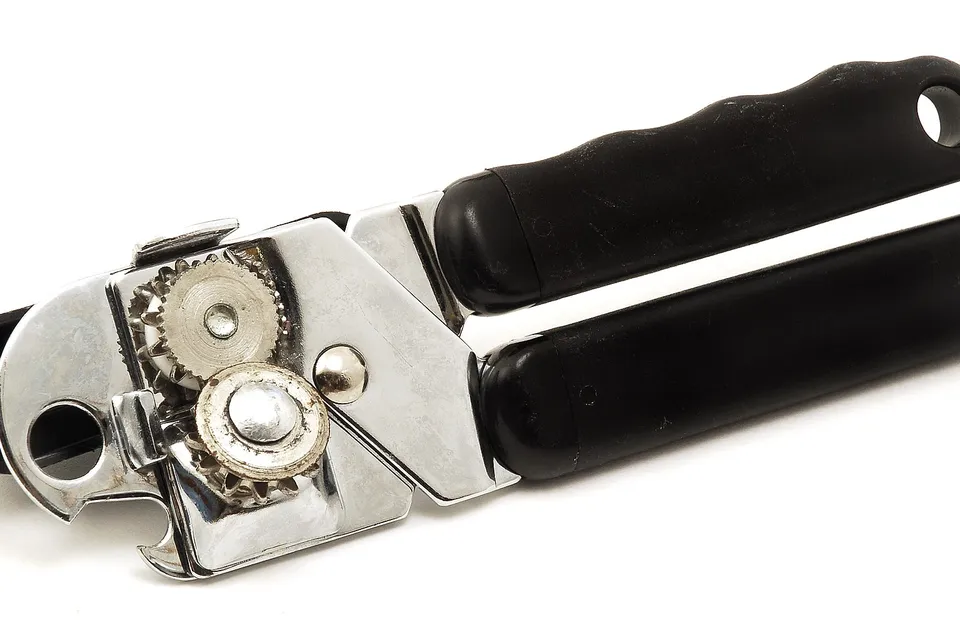
- Easy-grip manual opener: large, soft handles and a big turning knob.
- Pull-tab can helpers: a small lever tool lifts and pulls tabs without fingernails.
- Buy smarter: choose pull-tab cans, cartons or jars when possible.
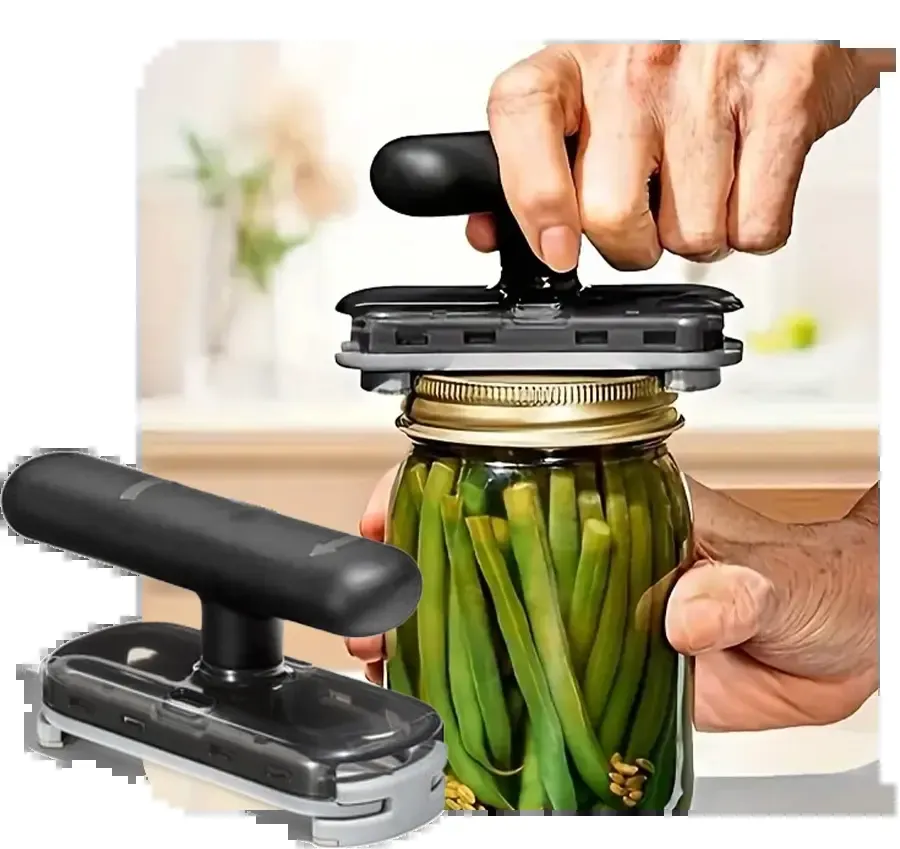
- Jars and bottles: a lever-style opener like Cap Crack handles lids without hard gripping.
General information, not medical advice. An occupational therapist can recommend tools for your parent's hands. In an emergency, call 911.
Opening a can of soup, beans or pet food sounds simple, but for someone with arthritis, it can be painful or impossible. Traditional can openers require squeezing the handles hard and turning a small knob, and pull-tab cans demand strong fingertips. When opening food becomes a struggle, some older adults start skipping meals or relying on less healthy options. The right tools and a few kitchen changes make cans manageable again. This guide covers can openers for weak hands, tricks for pull tabs and how to set up an arthritis-friendly kitchen.
Why are cans hard to open with arthritis?
- Squeezing opener handles requires strong grip.
- Turning a small knob strains finger joints.
- Pull tabs need fingernail strength and pinch grip.
- Sharp lids can cut hands that aren't steady.
The Arthritis Foundation recommends self-help devices that reduce the effort on painful joints.
Which can openers work best?
| Type | Pros | Cons |
|---|---|---|
| Electric (countertop) | Minimal effort; one lever press | Needs counter space and power |
| Battery hands-free | Sits on the can and travels around it | Batteries; can be slow |
| Easy-grip manual | Large soft handles, big knob | Still needs some grip |
| Safety (smooth-edge) opener | No sharp edges | Can be tricky to learn |
| Pull-tab lever | Lifts tabs without fingernails | Only for pull-tab cans |
Why is an electric opener often best?
With an electric opener, your parent places the can, presses a lever and lets the machine do the work. Many models hold the can in place and leave a smooth, magnet-held lid. Choose one with a large lever and good stability. Place it where your parent can use it standing or sitting.
How do you use a manual opener with weak hands?
- Place the can on a non-slip mat on the counter.
- Use an opener with large, cushioned handles.
- Clamp with both hands or press down on the handles with the palm.
- Turn the large knob using the whole hand rather than fingertips.
- Rest between cans.
What about pull-tab cans?
Slide a spoon handle or a dedicated pull-tab tool under the tab, lift it, then pull with the tool. Many tools give leverage so your parent doesn't need fingernail strength. Pull slowly to avoid splashing or cuts.
How do you open jars and bottles?
Jars are often even harder than cans. A lever-style opener grips the lid so your parent uses leverage instead of grip. See how to open a jar with weak hands and jar openers for seniors.
Jars and bottles without a painful twist
Cap Crack adjustable jar and bottle opener: no batteries, ergonomic handle for leverage, made for arthritis and weak grip. $29.99, or from $19.99 each in bundles, with a 90-day guarantee.
Check today's price →$29.99, or from $19.99 each in bundles
Why add Cap Crack to the kitchen?
Can openers solve cans; jars and bottles need a different tool. Cap Crack is an adjustable opener that fits many lid sizes and uses an ergonomic handle for leverage, so your parent doesn't have to twist with a weak grip. It needs no batteries. Read our Cap Crack review.
How do you set up an opening station?
- Keep the electric can opener, jar opener and scissors together on the counter.
- Place a non-slip mat under the work area.
- Store frequently used cans at waist height.
- Keep a stool nearby so your parent can sit.
See kitchen gadgets for arthritis and kitchen safety for seniors.
How can shopping choices help?
- Choose pull-tab cans or cartons.
- Buy soups in microwavable bowls or pouches (transfer to a dish for heating).
- Ask family to pre-open and store contents in containers.
- Use grocery delivery to avoid carrying heavy cans.
How do you avoid cuts?
Lids can be sharp. Use openers that leave smooth edges, lift lids with a magnet or tool, and dispose of lids carefully. Keep a first aid kit nearby.
What helps hand strength and comfort?
Gentle hand exercises, warm-water soaks and pacing tasks help. See hand exercises for arthritis, weak hands in the elderly and arthritis in cold weather.
Why does this matter for nutrition?
When opening food is hard, people may skip meals. Easy-to-open foods and tools help your parent eat well independently. See nutrition for elderly living alone.
How much does Cap Crack cost?
Cap Crack is $29.99 for one, $27.99 each for two, $25.99 each for three, $22.99 each for four and $19.99 each for five, with a 90-day guarantee.
How common is hand arthritis?
Very common. The CDC reports that arthritis affects tens of millions of US adults, and hand and finger joints are often involved, especially with osteoarthritis. Many older adults quietly struggle with everyday tasks like opening cans and jars, so it's worth asking your parent which tasks have become hard.
What should you look for in an electric opener?
- A large, easy-to-press lever.
- A magnet that holds the lid.
- A stable base that won't tip.
- Smooth-edge cutting, if available.
- Works with cans of different heights.
What about pet food cans?
Many pet foods come in pull-tab cans. A pull-tab tool or electric opener helps, and some brands offer pouches or trays that peel open more easily. Ask family to help stock easy-open options.
How can family help?
- Ask which foods have become hard to open.
- Set up an opening station with the right tools.
- Pre-open and portion foods during visits.
- Choose easy-open packaging when shopping for them.
See how to help an elderly parent with arthritis.
Should you see an occupational therapist?
An occupational therapist can assess your parent's hands and recommend tools and techniques for kitchen tasks, dressing and more. Ask the doctor for a referral. See occupational therapy for seniors.
What mistakes should you avoid?
- Using a knife or screwdriver to pry lids.
- Forcing a tight grip through pain.
- Leaving sharp lids on the counter.
- Storing heavy cans on high shelves.
What about plastic bottles and caps?
Small screw caps on water, juice and medicine bottles can be just as hard as jars. Lever-style openers that adjust to small caps help, and pharmacies can supply non-childproof caps for medications on request if no children are around. See how to open a pill bottle.
How do you open cartons and packaging?
Use kitchen scissors with spring-loaded, easy-grip handles for cartons, bags and clamshell packages. Keep them with the can opener so everything is in one place.
Should tasks be spread out?
Yes. Open what's needed for the day in the morning when hands may be warmer, or ask family to prep several meals' worth at once. Spreading tasks reduces joint strain.
Why does independence matter?
Being able to make a simple meal without help supports dignity and confidence. The right tools often let older adults keep cooking for themselves much longer.
Are kitchen tools good gifts?
Yes. An electric can opener and a jar opener make practical, appreciated gifts. See gifts for someone with arthritis.
How do you handle the lid safely?
Many electric openers have a magnet that lifts the lid. Otherwise, use a fork or a magnet tool to lift it rather than fingers. Push the lid into the empty can before throwing it away to avoid cuts.
Can your parent open cans sitting down?
Yes. Placing the opener on a table at seated height lets your parent work without standing, which helps with balance and fatigue.
What's the takeaway?
An electric can opener, a pull-tab tool and a lever-style jar opener, kept together in one station, make opening food easy again.
What if opening anything causes pain?
Persistent hand pain, swelling or loss of strength deserves a doctor's visit. Treatment, splints or therapy may help. Tools reduce strain but don't treat the underlying condition. Keep a list of which tasks hurt to share at the appointment, since it helps the doctor or therapist suggest the right help.
How should the pantry be organized?
Store cans at waist-to-shoulder height, in single rows with labels facing out, so your parent can grab what they need without reaching or stacking. Lightweight bins with handles make it easy to pull items forward.
Are these tools expensive?
Most can and jar openers are affordable, especially compared with the frustration and pain they prevent. Bundles of jar openers can cover several family members or a kitchen and a pantry.
Does warming hands first help?
Many people find tasks easier after a warm-water soak or holding a warm mug, which loosens stiff fingers.
Should your parent practice with new tools?
Yes. Try each tool together a few times so it feels familiar and easy.
Do can labels matter?
Large, clear labels help your parent grab the right can without lifting several. Store cans label-out in a single row at waist height so nothing needs to be moved or stacked.
The bottom line
An electric can opener, a pull-tab tool and a lever-style jar opener remove most of the gripping from opening food. Set up an opening station, choose easy-open packaging and keep hands comfortable.
For jars and bottles, our pick is Cap Crack. Check today's Cap Crack price.
Sources
- Arthritis Foundation. Self-Help Devices for Arthritis.
- Centers for Disease Control and Prevention. Arthritis Facts and Figures.
- Official Cap Crack product page, checked October 2026.
Frequently asked questions
What is the easiest can opener for arthritis?
An electric can opener with a large lever is easiest for most people.
How do you open pull-tab cans with weak fingers?
Use a pull-tab lever tool or a spoon handle to lift and pull the tab.
Are hands-free can openers good for seniors?
Battery models that travel around the can need very little effort.
How can I open jars with arthritis?
Use a lever-style jar opener that grips the lid for you.
How do I avoid cuts from can lids?
Use smooth-edge openers and lift lids with a magnet or tool.
Can an occupational therapist help?
Yes, they can recommend tools and techniques for kitchen tasks.

Laura Bennett
Laura Bennett is the pen name of the Aging Parents at Home editorial team at Iqueda Media LLC. We write for adult children who want to help their aging parents stay safe and independent at home. The team researches daily-living and safety products, reads the official guidance from public health and safety organizations, and checks prices, policies and buyer feedback. We are not doctors, nurses or physical therapists. Her guides are built on official public health and safety guidance, manufacturer information, checkout and return policies, and buyer feedback, and are updated when offers change. More about Laura.