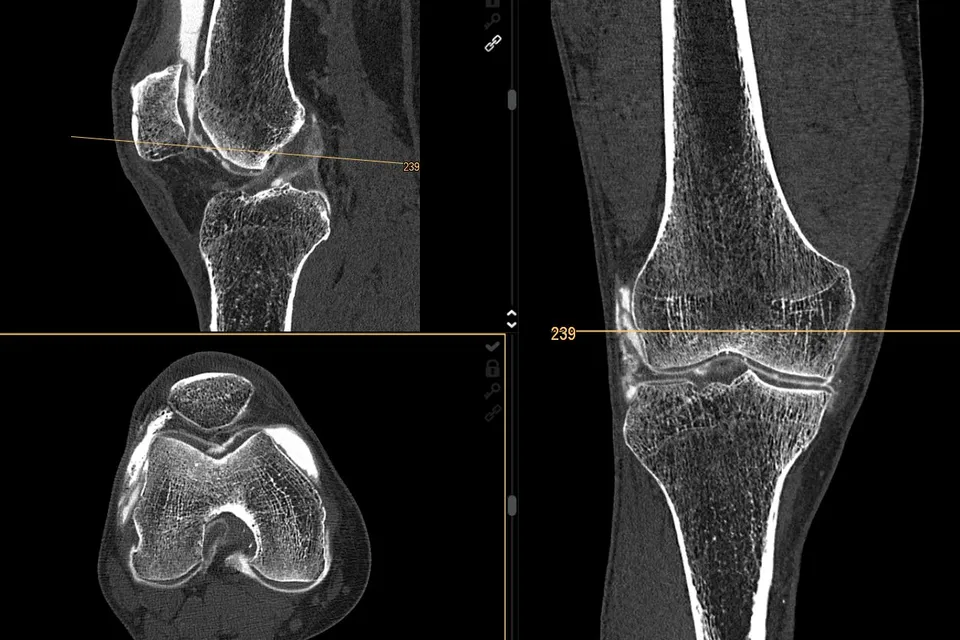
- Hold it in the hand opposite the painful knee. This is the most common mistake.
- Move the cane and the painful leg together, then step through with the stronger leg.
- Set the height at the wrist crease, with a slight elbow bend.
- On stairs: up with the good leg, down with the cane and the painful leg.
- Choose stability: a wider base helps if balance is also a concern.
General information, not medical advice. Knee pain has many causes; see a doctor or physical therapist for diagnosis and advice on mobility aids. In an emergency, call 911.
Knee pain from arthritis, an old injury or overuse is one of the most common reasons older adults start using a cane. Used correctly, a cane shifts part of the load off the painful knee with every step, making walking more comfortable and steadier. Used incorrectly, it can do little or even make things worse. This guide explains how a cane helps knee pain, which side to hold it on, how to fit it, how to handle stairs and chairs, and other ways to protect sore knees.
How does a cane help knee pain?
When you hold a cane in the hand opposite the painful knee and move it together with that leg, part of your body weight goes through the cane instead of the knee. It also widens your base of support, improving balance. The AAOS OrthoInfo explains this technique.
Which hand should hold the cane?
The hand opposite the painful knee. If the right knee hurts, hold the cane in the left hand. This mirrors the natural arm swing when walking and gives the most support. Many people instinctively hold it on the same side as the pain, which provides less help.
How do you walk with a cane for knee pain?
- Stand tall with the cane in the hand opposite the painful knee.
- Move the cane forward a comfortable step's length.
- Step forward with the painful leg at the same time.
- Press down on the cane as you put weight on the painful leg.
- Step through with the stronger leg.
- Keep steps even and the cane close to your body.
See how to use a cane.
How do you fit the cane?
With shoes on and arms relaxed, the cane's top should reach the wrist crease. When holding it, the elbow should bend about 15 to 20 degrees. A cane that's too tall or too short can strain the shoulder or back. See how to measure cane height.
How do you use stairs with knee pain?
| Direction | Sequence |
|---|---|
| Going up | Handrail, step up with the stronger leg, then bring the cane and painful leg up |
| Going down | Handrail, step down with the cane and painful leg first, then the stronger leg |
"Up with the good, down with the bad." See how to use a cane on stairs.
How do you sit and stand with knee pain?
Getting up from chairs puts a lot of load on knees. Scoot forward, place feet back, push with arms on armrests and lean "nose over toes." A cane with a second, lower handle gives extra leverage. See how to stand up from a chair.
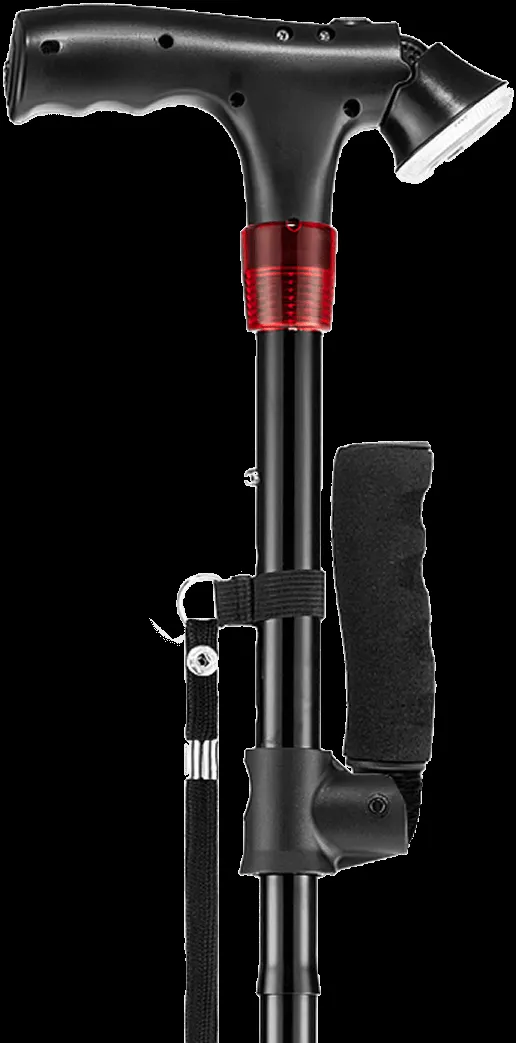
Support for walking and standing up
Ready Walker: pivoting four-point base that stands on its own, a second handle for standing up, LED light and alarm. $59.99 with a 30-day money-back guarantee.
Check today's price →$59.99 · ships from Ohio · 30-day guarantee
Why consider the Ready Walker for knee pain?
The Ready Walker has a pivoting four-point base that stands on its own, so it's ready when your parent stands up. Its second, lower handle helps when pushing up from chairs and bed, which is often the most painful moment for sore knees. A built-in LED light and alarm add safety. It costs $59.99 with a 30-day money-back guarantee. Read our Ready Walker review.
Which type of cane is best?
- Single-point cane: light, for mild pain and good balance.
- Offset handle: puts weight directly over the shaft.
- Quad or self-standing cane: more stability for pain plus balance concerns.
- Ergonomic grip: easier on hands with arthritis.
See quad vs single-point cane and best cane for seniors.
What else helps knee pain?
- Strengthening exercises for the thigh muscles, as guided by a therapist.
- Low-impact activity like walking, swimming or cycling.
- Supportive shoes with cushioned soles.
- Weight management if recommended.
- Heat or cold as advised by the doctor.
The National Institute on Aging describes safe exercise types for older adults.
When should you see a doctor?
- Sudden, severe pain or swelling.
- The knee gives way or locks.
- Redness and warmth.
- Pain that keeps getting worse.
How much does the Ready Walker cost?
The Ready Walker is $59.99, with a 30-day money-back guarantee and shipping from Ohio.
What if both knees hurt?
If both knees are painful, a single cane may not provide enough support. Some people use two canes, forearm crutches or a walker. A physical therapist can assess which is safest. See walker vs cane.
Does a cane help knee arthritis specifically?
Many people with knee osteoarthritis find a cane reduces pain while walking, especially on longer outings, and helps them stay active. Staying active is important for joint health. See helping a parent with arthritis.
How do you step up and down curbs?
Treat curbs like a single stair: step up with the stronger leg first, then bring the cane and painful leg; step down with the cane and painful leg first. Take your time and look for curb cuts when possible.
What about uneven ground?
Gravel, grass and uneven sidewalks are harder on sore knees. Slow down, shorten steps and use a cane with a wider base for more stability. Avoid wet grass and ice. See walking safety for seniors.
Are knee braces helpful?
Some people benefit from a knee brace or sleeve along with a cane. Ask a doctor or physical therapist which type, if any, suits your parent's condition.
What mistakes should you avoid?
- Holding the cane on the same side as the painful knee.
- Using a cane that's too tall or too short.
- Leaning heavily forward over the cane.
- Taking long, uneven steps.
- Skipping strengthening exercises.
Why see a physical therapist?
A physical therapist can check your parent's gait, fit the cane properly, teach technique on stairs and curbs, and design exercises to strengthen the muscles that support the knee. A few sessions often improve comfort and confidence more than any device alone.
What about walking at night?
Pain and stiffness can make nighttime bathroom trips harder. Keep the cane by the bed, use night lights and get up slowly. A cane with a built-in light helps. See night-time fall prevention.
What if knee replacement is planned?
A cane may be part of recovery after surgery. Follow the surgeon's and therapist's instructions. See cane after knee replacement.
Which shoes help sore knees?
Supportive, cushioned shoes with good grip reduce impact and slips. See non-slip shoes for seniors.
How much weight should go on the cane?
Just enough to ease pain and steady balance. If your parent needs to lean heavily on the cane to walk, they may need a walker or more support. A therapist can advise.
What about pain flares?
On bad days, shorten walks, use the cane more consistently and rest between activities. Talk to the doctor if flares become more frequent.
How can family help?
Check that the cane is the right height, the rubber tip isn't worn and your parent holds it on the correct side. Walk with them and encourage regular, gentle activity.
What's the takeaway?
Opposite hand, moving with the painful leg, at wrist height: that's the formula for a cane that truly helps knee pain.
Why check the rubber tip?
A worn, smooth tip slips more easily, especially on wet floors. Replace it when the tread wears down. In winter, consider an ice tip attachment for outdoor use. See cane ice tips.
Can a cane improve confidence?
Yes. Many people with knee pain limit walking because they fear the knee will give way. A properly used cane can make walking more comfortable and help them stay active, which supports overall health and independence.
Which simple exercises help knees?
Common therapist-recommended options include seated leg raises, sit-to-stand practice, heel raises while holding a counter and short, regular walks. Start gently and stop if pain increases. A therapist can tailor a program to your parent's knees.
Which handle is easiest on hands?
If your parent also has hand arthritis, an ergonomic palm grip spreads pressure and reduces wrist strain. Try a few handles in a store if possible.
Should the cane be used indoors too?
If your parent's knee pain affects balance, yes, especially at night and on hard floors.
What about icy days?
Stay in when possible, and use an ice tip and grippy boots when going out.
The bottom line
For knee pain, hold the cane in the hand opposite the painful knee, move it with that leg and fit it at wrist height. Use "up with the good, down with the bad" on stairs and consider a more stable cane with a second handle for standing up.
For extra support walking and standing, our pick is the Ready Walker. Check today's Ready Walker price.
Sources
- AAOS OrthoInfo. How to Use Crutches, Canes and Walkers.
- National Institute on Aging. Exercise for Older Adults.
- Official Ready Walker product page, checked October 2026.
Frequently asked questions
Which hand do you hold a cane for knee pain?
The hand opposite the painful knee.
Does a cane help knee arthritis?
Many people find it reduces pain while walking and helps them stay active.
How do you use stairs with a cane and knee pain?
Up with the good leg, down with the cane and painful leg, using the handrail.
How tall should a cane be?
The top should reach the wrist crease with arms relaxed.
What if both knees hurt?
A walker or other aid may be safer; ask a physical therapist.
When should I see a doctor about knee pain?
For sudden severe pain, swelling, locking or giving way.

Laura Bennett
Laura Bennett is the pen name of the Aging Parents at Home editorial team at Iqueda Media LLC. We write for adult children who want to help their aging parents stay safe and independent at home. The team researches daily-living and safety products, reads the official guidance from public health and safety organizations, and checks prices, policies and buyer feedback. We are not doctors, nurses or physical therapists. Her guides are built on official public health and safety guidance, manufacturer information, checkout and return policies, and buyer feedback, and are updated when offers change. More about Laura.